
Ashadhi Ekadashi: Meaning, Significance, Rituals & Pandharpur Wari
Ashadhi Ekadashi at a Glance
Ashadhi Ekadashi is the Ekadashi (eleventh lunar day) of the bright fortnight of the Hindu month of Ashadha. In Maharashtra it is the most important day of the Varkari calendar, when lakhs of devotees reach Pandharpur for darshan of Lord Vitthal at the end of the Pandharpur Wari. Elsewhere in India it is widely known as Devshayani Ekadashi.
| Quick fact | Detail |
|---|---|
| Also known as | Devshayani Ekadashi, Maha Ekadashi, Padma Ekadashi, Ashadi Ekadashi |
| Hindu month | Ashadha (Shukla Paksha, the bright fortnight) |
| Deity | Lord Vitthal in Maharashtra; Lord Vishnu elsewhere |
| Main place | Pandharpur, Solapur district, Maharashtra |
| Main event | Pandharpur Wari, culminating in Vitthal darshan |
| Key Palkhis | Sant Dnyaneshwar Maharaj (Alandi), Sant Tukaram Maharaj (Dehu) |
| Observance | Fasting (Upvas), Kirtan, Abhang singing, Vitthal worship |
| Date | Changes every year with the Hindu lunar calendar |
What Is Ashadhi Ekadashi?
Every lunar month has two Ekadashis, one in each fortnight. Ashadhi Ekadashi is the one that falls in the month of Ashadha and is regarded as among the most sacred of the year, which is why it is also called Maha Ekadashi (the great Ekadashi).
For a Varkari, a follower of the Vitthal devotional tradition of Maharashtra, Ashadhi Ekadashi is the destination of the whole year’s devotion. It is the day the Wari reaches Pandharpur, and the greeting of “Vithal Vithal” and “Gyanba Tukaram” fills the town.
Why Is It Called Devshayani Ekadashi?
According to Hindu tradition, Lord Vishnu is believed to go into a cosmic sleep on this Ekadashi. This is why it is called Devshayani (“the sleep of the god”) Ekadashi. His sleep is said to last through the four months known as Chaturmas, the monsoon period, until Prabodhini (Kartiki) Ekadashi, when he awakens.
Because of this, Ashadhi Ekadashi is traditionally seen as the beginning of Chaturmas, a period associated with fasting, simpler living, scriptural study and spiritual discipline. Marriages and many auspicious ceremonies are traditionally avoided during these four months.
Ashadhi Ekadashi and Lord Vitthal
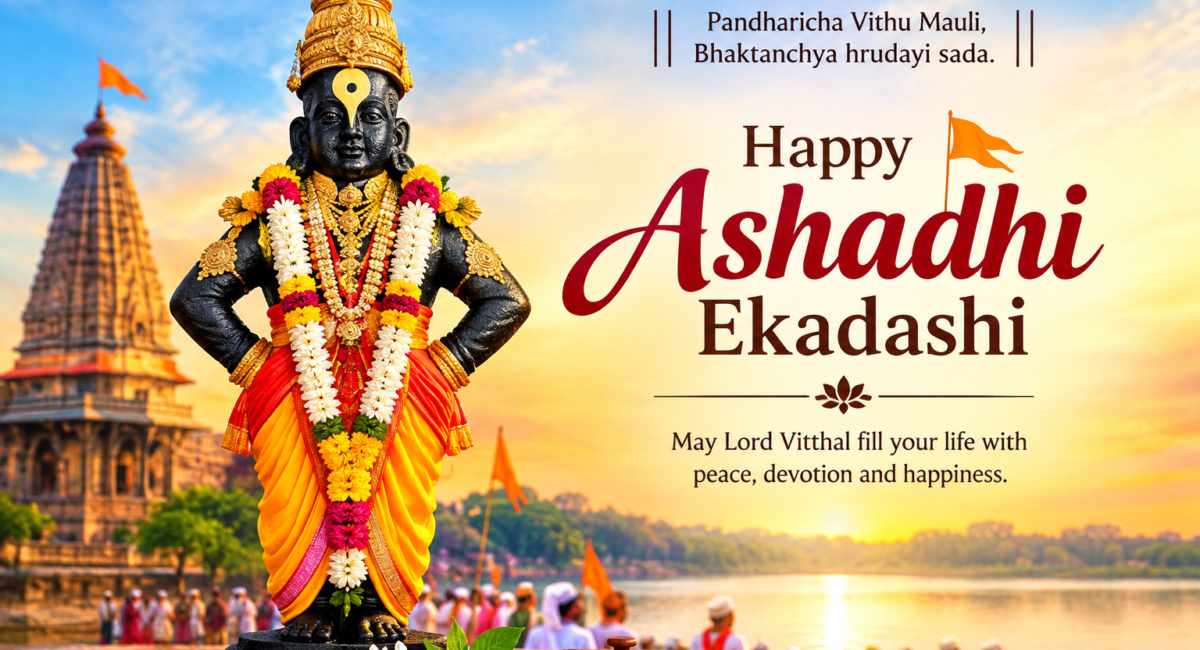
In Maharashtra, Ashadhi Ekadashi is above all the day of Lord Vitthal (Vithoba, Pandurang), whose temple at Pandharpur is the centre of the Varkari tradition. The traditional image of Vitthal stands on a brick with hands on the waist, a form connected with the story of the devotee Pundalik.
Devotees see Vitthal as a form of Vishnu or Krishna, but the devotion to him in Maharashtra has its own distinct identity, expressed through Abhang, Kirtan and the lives of saints such as Dnyaneshwar, Tukaram, Namdev, Eknath and Chokhamela.
Ashadhi Ekadashi and the Pandharpur Wari
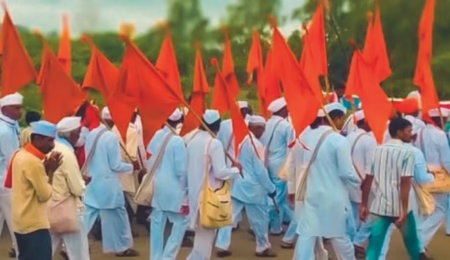
The Pandharpur Wari is the walking pilgrimage that culminates on Ashadhi Ekadashi. Devotees walk for days in groups called Dindis, singing Abhangs and chanting the name of Vitthal, following the Palkhi (palanquin) that carries the padukas (sandals) of a revered saint.
The two best-known Palkhis are:
- Sant Dnyaneshwar Maharaj Palkhi, starting from Alandi
- Sant Tukaram Maharaj Palkhi, starting from Dehu
Palkhis associated with other saints from different parts of Maharashtra also travel toward Pandharpur and join the gathering around Ashadhi Ekadashi. The journey takes roughly two to three weeks depending on the Palkhi and the route, and the Palkhis time their arrival to reach Pandharpur close to the Ekadashi.
The Wari is not only a physical journey. The walk itself is an act of devotion, built on community, discipline and collective chanting.
What Happens During the Wari?
- Dindi processions: devotees walk in organised groups with flags, cymbals (taal) and mridang
- Abhang and Bhajan: devotional poetry is sung along the route
- Kirtan: Kirtankars narrate stories of saints and share spiritual teachings, usually at halts
- Ringan and Rounds: at traditional halts the Palkhi stops for ritual circles and devotional games that are an important part of the experience
- Seva: local villagers offer food, water, shelter and medical help to the walkers
- Night halts: the Palkhi rests in villages and towns on the route
Arriving in Pandharpur
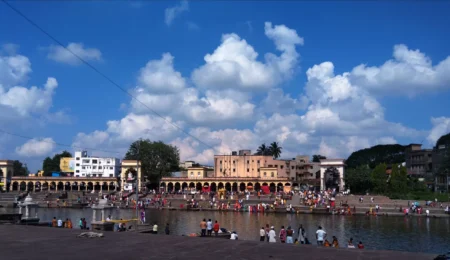
As the Palkhis near Pandharpur, the atmosphere builds. Devotees bathe in the Chandrabhaga river, visit the Vitthal-Rukmini Temple area and take part in Kirtan and Bhajan late into the night. On Ashadhi Ekadashi the temple receives very large numbers of devotees for darshan.
In Maharashtra, it is also a tradition for the state’s Chief Minister to take part in the official puja at the temple on this occasion. Check the current year’s news for the exact arrangements.
Importance of Ashadhi Ekadashi in the Varkari Tradition
The word Varkari comes from Wari, meaning a periodic pilgrimage, and a Varkari is one who makes this journey regularly. Many Varkaris commit to Wari for years, and families pass the tradition down the generations.
Ashadhi Ekadashi matters because it brings together everything the tradition stands for:
- Devotion to Vitthal as a personal, loving relationship
- Equality and community: in the Wari, social differences are meant to fall away as people walk, eat and sing together
- Marathi Bhakti literature: the Abhangs of Dnyaneshwar, Tukaram, Namdev, Eknath and Chokhamela come alive on the road
- Discipline: walking, simple food, fasting and chanting
Ashadhi Ekadashi Fasting (Upvas)
Many people observe a fast on Ashadhi Ekadashi. Practices vary by family, region and tradition, but commonly:
- Grains and regular cereals are avoided
- People eat fruits, milk, peanuts and ingredients such as sabudana (sago) and rajgira (amaranth) in simple dishes
- Devotees often spend the day in worship, Kirtan, listening to Abhangs and remembering Vitthal
- The fast is traditionally broken the next morning, on Dwadashi, within the prescribed time
- Elderly people, children, pregnant women and those with medical conditions should fast only in ways that suit their health and doctor’s advice
If you are unsure about rules, follow your family tradition or ask a knowledgeable elder or priest.
Ashadhi Ekadashi Story and Traditions
Several traditional accounts are told about this Ekadashi. In Maharashtra the central story is that of Pundalik, a devoted son whose service to his parents is linked with the appearance of Vitthal at Pandharpur, standing on a brick. This story is remembered in Marathi devotional literature and oral tradition and explains why Pandharpur became the home of the Vitthal tradition.
Outside Maharashtra, Devshayani Ekadashi stories are usually connected to Vishnu’s yogic sleep and the beginning of Chaturmas.
Ashadhi Ekadashi in Pandharpur: Practical Planning Tips
Pandharpur is crowded on Ashadhi Ekadashi, far more than on ordinary days. If you plan to be there:
- Check official temple information for darshan arrangements, timings and any changes in the current year
- Book accommodation well in advance or consider staying in a nearby city and travelling in
- Expect long queues and plan extra time for everything
- Travel light and keep valuables and documents secure in crowds
- Carry water, snacks, a cap or umbrella depending on the weather
- Wear comfortable footwear you can walk in for long periods
- Follow instructions from local authorities, police and volunteers, especially near the riverbanks and temple area
- Plan carefully with elderly people and children
- If you want a calmer darshan, consider visiting outside Ashadhi and Kartiki Ekadashi periods
How to Reach Pandharpur for Ashadhi Ekadashi
Pandharpur is in Solapur district, Maharashtra.
- By road: connected with Solapur, Pune, Mumbai, Kolhapur, Sangli and Satara. Expect heavier traffic and diversions around the festival.
- By train: Pandharpur has a railway station. Check the current schedule and any special trains announced for the Ekadashi period.
- By air: fly to a major Maharashtra airport and continue by road or rail.
Ashadhi Ekadashi vs Kartiki Ekadashi
| Ashadhi Ekadashi | Kartiki Ekadashi | |
|---|---|---|
| Hindu month | Ashadha | Kartik |
| Meaning | Beginning of Chaturmas (Devshayani) | End of Chaturmas (Prabodhini) |
| Wari scale | The largest Wari of the year | Another major pilgrimage period |
| Association | Alandi and Dehu Palkhis, lakhs of Varkaris | Varkaris and devotees from across Maharashtra |
Together, they are the two most important pilgrimage occasions associated with Pandharpur.
Why Ashadhi Ekadashi Matters for Kirtan and Abhang
The Wari is a living classroom of Marathi devotional music. Abhangs by saints are sung, shared and taught on the road, and Kirtan brings those verses together with stories and teaching. For anyone interested in Marathi Bhakti literature, Ashadhi Ekadashi is the best time to see these traditions in practice.
Explore on Kirtankar.com: What is Kirtan? | Kirtankar Directory | Varkari Kirtan | Sant Abhang | Sant Tukaram | Sant Dnyaneshwar
Frequently Asked Questions About Ashadhi Ekadashi
What is Ashadhi Ekadashi?
Ashadhi Ekadashi is the Ekadashi of the bright fortnight of the Hindu month of Ashadha. In Maharashtra it is the main day of the Pandharpur Wari and the most important day of the Varkari calendar.
Why is Ashadhi Ekadashi important?
It is believed to mark the start of Chaturmas and the day Lord Vishnu begins his cosmic sleep. For Varkaris it is the culmination of the Wari and the day of Vitthal darshan at Pandharpur.
What is Ashadhi Ekadashi also called?
It is also called Devshayani Ekadashi, Maha Ekadashi and Padma Ekadashi.
When is Ashadhi Ekadashi?
The date changes every year according to the Hindu lunar calendar. It falls in the month of Ashadha, usually in June or July. Check a reliable panchang or the official temple announcement for the exact date.
Why do people go to Pandharpur on Ashadhi Ekadashi?
Devotees go for darshan of Lord Vitthal, to complete the Wari, and to join the large gathering of Varkaris and Kirtan.
Where do the Dnyaneshwar and Tukaram Palkhis start?
The Sant Dnyaneshwar Maharaj Palkhi starts from Alandi. The Sant Tukaram Maharaj Palkhi starts from Dehu.
Do people fast on Ashadhi Ekadashi?
Many devotees fast and eat simple fasting foods such as fruits, sabudana and rajgira. Practices vary by tradition and health.
What is Chaturmas?
Chaturmas is the four-month period beginning after Devshayani (Ashadhi) Ekadashi and ending with Prabodhini (Kartiki) Ekadashi.
What is the difference between Ashadhi and Kartiki Ekadashi?
Ashadhi Ekadashi begins Chaturmas and brings the largest Wari. Kartiki Ekadashi ends Chaturmas and is another major pilgrimage occasion at Pandharpur.
Can anyone take part in the Wari?
The Wari is open to devotees and respectful visitors. Plan carefully, respect local customs and follow safety instructions, especially in crowded areas.
Conclusion
Ashadhi Ekadashi is much more than a festival date. It is the meeting point of devotion, music, literature, discipline and community that defines the Varkari tradition. The Palkhis bring the saints’ legacy, the Abhangs give the journey its voice, and the darshan of Vitthal at Pandharpur gives it its purpose.
Vithal Vithal!
Explore More on Kirtankar.com
Pandharpur Guide | Pandharpur Wari | Varkari Sampradaya | Vitthal Aarti | Vitthal Abhang | Sant Tukaram | Sant Dnyaneshwar | Kartiki Ekadashi | What is Kirtan? | Kirtankar Directory
Leave a Comment