
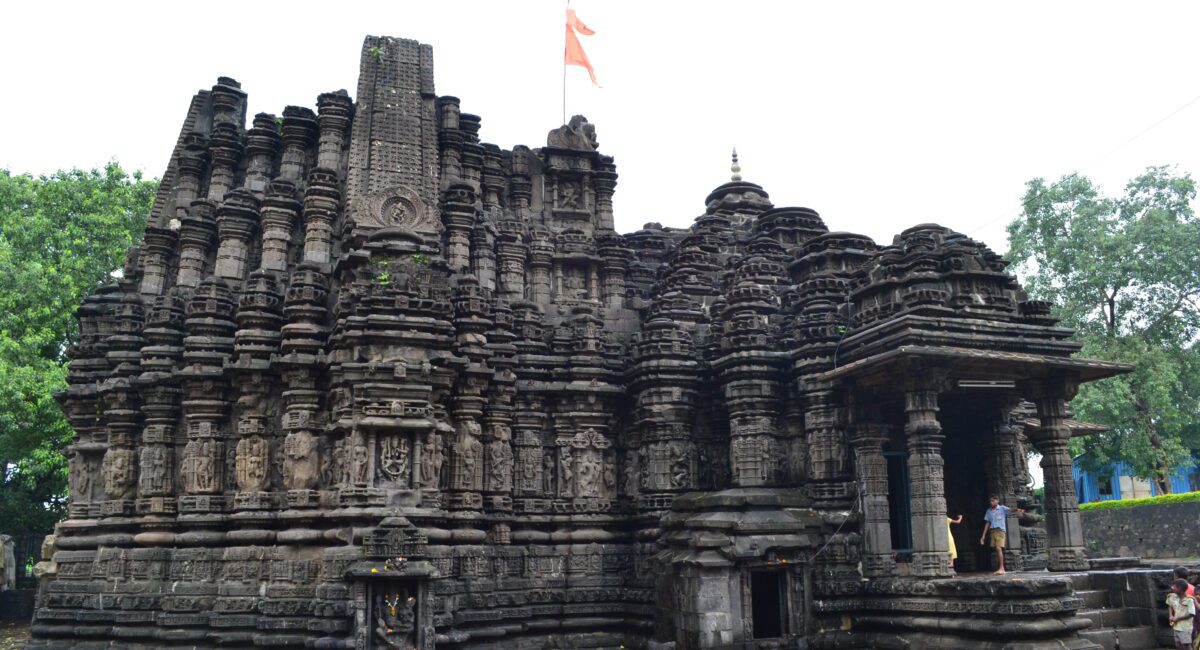
Shiv Mandir Ambarnath: A Sacred 11th-Century Marvel of Lord Shiva
Introduction: Where Devotion Meets Ancient Artistry
Nestled in the bustling town of Ambarnath in Maharashtra’s Thane district, the Shiv Mandir Ambarnath stands as a magnificent testimony to centuries-old devotion to Lord Shiva. This ancient Shiva temple in Maharashtra, located merely 55 kilometers from Mumbai, offers devotees and history enthusiasts a rare glimpse into India’s rich spiritual and architectural heritage.
Built during the 11th century, the Ambarnath Mahadev Temple is not just another place of worship it is a living monument that whispers stories of the Shilahar dynasty, showcases exquisite Hemadpanthi architecture, and continues to draw thousands of devotees seeking the blessings of Bholenath. Whether you’re a spiritual seeker, a student of history, or simply someone looking for divine peace away from Mumbai’s chaos, this Shiv Mandir near Mumbai promises an experience that touches both heart and soul.
The Historical Tapestry of Ambarnath Shiva Temple
Origins in the Shilahar Dynasty
The Shiv Mandir Ambarnath was constructed around 1060 CE during the reign of Chhittaraja, a ruler of the Shilahar dynasty that governed the Konkan region. An inscription found within the temple premises confirms this historical fact, making it one of the most accurately dated temples in Maharashtra.
The Shilahars were known for their patronage of art, architecture, and religion. They built this temple not merely as a place of worship but as a grand offering to Lord Shiva, reflecting their deep devotion and architectural ambition.
Legends That Echo Through Time
Local folklore adds layers of mystique to the temple’s history. One popular legend speaks of how the temple was built in a single night by celestial beings under divine command. While historical evidence points to human craftsmanship, such tales reflect the awe this architectural marvel has inspired across generations.
Another belief holds that the Shivalinga installed here has immense spiritual power, capable of fulfilling genuine prayers offered with pure devotion. Many devotees claim to have experienced divine blessings and life-changing moments after visiting this sacred shrine.
Architectural Splendor: A Stone Poetry of Faith
The Hemadpanthi Style Excellence
The Ambarnath Shiva Temple is a masterpiece of Hemadpanthi architecture a style characterized by the use of locally available black basalt stone without any mortar or binding material. The precision with which stones are cut and fitted together is so remarkable that even after nearly a thousand years, the structure stands firm and elegant.
The temple follows the classic Nagara style of North Indian temple architecture, featuring a sanctum sanctorum (garbhagriha), a hall (mandapa), and a beautifully designed entrance porch. The pyramidal shikhara (spire) rises majestically, pointing devotees’ prayers toward the heavens.
Intricate Carvings That Tell Stories
What truly sets this ancient Shiva temple in Maharashtra apart is its breathtaking stone carvings. The exterior walls are adorned with intricate sculptures depicting various Hindu deities, celestial beings, mythological scenes, and elegant floral patterns.
The sculptures of Lord Ganesha, Goddess Parvati, Nandi (Shiva’s sacred bull), and the Saptamatrikas (seven mother goddesses) are carved with exceptional skill. Each panel seems to narrate a story, inviting visitors to pause and appreciate the artistry of ancient Indian sculptors.
The doorway to the sanctum is particularly noteworthy, featuring elaborate makara toranas (decorative arches) and dvarapalas (guardian figures) that create a sense of entering a divine realm.
The Sacred Sanctum
Inside the garbhagriha rests the main Shivalinga, worshipped daily by priests and devotees. The sanctum’s serene atmosphere, with the soft glow of oil lamps and the fragrance of incense, creates an environment perfect for meditation and prayer. The acoustics within the temple are such that chants and mantras resonate beautifully, adding to the spiritual ambiance.
Religious Significance and Spiritual Practices
Lord Shiva’s Eternal Presence
For devotees, the Ambarnath Mahadev Temple is more than a historical monument it is a living shrine where Lord Shiva’s presence can be felt deeply. Many believe that sincere prayers offered here, especially on Mondays and during the holy month of Shravan, bear particularly powerful results.
The temple follows traditional Shaivite rituals, with priests performing regular pujas, abhishekas (ritual bathing of the deity), and aartis throughout the day. The sound of temple bells, the chanting of sacred mantras, and the sight of devotees offering bilva leaves to Lord Shiva create an atmosphere charged with devotion.
Rituals and Offerings
Devotees typically offer bilva leaves, milk, honey, curd, ghee, and flowers to the Shivalinga. The ritual of performing Rudrabhishek is considered highly auspicious here. Many devotees also perform pradakshina (circumambulation) around the temple, seeking blessings for prosperity, peace, and spiritual growth.
Mahashivratri at Ambarnath Temple: A Divine Celebration
The Grand Festival Experience
The Mahashivratri at Ambarnath Temple transforms this ancient shrine into a hub of spiritual fervor and devotion. This annual festival, celebrating the marriage of Lord Shiva and Goddess Parvati, attracts thousands of devotees from across Maharashtra and neighboring states.
On this sacred night, the temple remains open throughout, with continuous pujas and abhishekas performed. Devotees observe fasts, sing bhajans, and keep night-long vigils in worship of Lord Shiva. The temple premises overflow with the fragrance of incense and flowers, while the air resonates with chants of “Om Namah Shivaya” and devotional songs.
A Community United in Faith
During Mahashivratri, the temple becomes a melting pot of diverse devotees from elderly pilgrims to young families, from local residents to travelers from distant places. The sense of community, shared devotion, and collective celebration makes this experience truly memorable. Local vendors set up stalls offering prasad, religious items, and refreshments, adding to the festive atmosphere.
Best Time to Visit Shiv Mandir Ambarnath
The temple welcomes devotees throughout the year, but certain periods offer unique experiences:
Winter months (October to February) are ideal for visiting, as the weather remains pleasant and comfortable for exploration. The temple and surrounding areas can be enjoyed without the discomfort of Mumbai’s summer heat and humidity.
Shravan month (July-August according to the Hindu calendar) holds special significance for Shiva devotees. Every Monday during this month sees increased footfall, with special pujas and celebrations.
Mahashivratri (usually in February or March) is the most auspicious time, though expect large crowds and longer waiting times for darshan.
Weekday mornings offer a more peaceful experience for those seeking quiet contemplation and uninterrupted prayer time.
How to Reach Ambarnath Mahadev Temple
By Train
Ambarnath has its own railway station on the Central Railway line connecting Mumbai and Karjat. Trains from Mumbai CST, Dadar, Thane, and other stations on this route stop here regularly. From Ambarnath station, the temple is approximately 2 kilometers away and can be reached via auto-rickshaw, taxi, or a pleasant walk.
By Road
The Shiv Mandir near Mumbai is well-connected by road. State transport buses, private buses, and personal vehicles can easily reach Ambarnath via the Mumbai-Nashik Highway. The journey from Mumbai takes about 1.5 to 2 hours depending on traffic conditions.
By Air
The nearest airport is Chhatrapati Shivaji Maharaj International Airport in Mumbai, approximately 60 kilometers away. From the airport, one can hire a taxi or take a train to Ambarnath.
Nearby Attractions Worth Exploring
After seeking blessings at the temple, visitors can explore several nearby places of interest:
Kondeshwar Temple: Another ancient Shiva temple located about 15 kilometers away, nestled in a peaceful natural setting.
Ulhas Valley: Nature lovers can enjoy the scenic beauty of this lush region, especially during monsoons when the landscape turns vibrantly green.
Badlapur: A nearby town offering additional temples, markets, and local eateries serving authentic Maharashtrian cuisine.
Matheran: For those with more time, this charming hill station is about 30 kilometers away, offering a perfect retreat into nature.
Practical Visitor Tips and Temple Timings
Temple Timings
The temple generally opens early in the morning around 5:30 AM and closes by 8:00 PM, with a brief afternoon break between 12:00 PM and 4:00 PM. However, timings may vary during festivals and special occasions, so confirming beforehand is advisable.
Visitor Guidelines
- Dress modestly as a mark of respect for the sacred space
- Remove footwear before entering the temple premises
- Photography of the main deity may be restricted; always ask permission
- Maintain silence and peaceful behavior within the temple
- Avoid visiting during peak hours if you prefer a quieter experience
- Carry water and light snacks, especially if visiting during hot weather
- Respect local customs and follow the priests’ instructions during rituals
Facilities Available
Basic facilities including drinking water, washrooms, and prasad counters are available near the temple. Several small shops around the temple sell religious items, flowers, and offerings needed for worship.
Conclusion: A Timeless Journey of Faith and Heritage
The Shiv Mandir Ambarnath is not merely a destination it is an experience that bridges the ancient and the contemporary, the material and the spiritual. This ancient Shiva temple in Maharashtra offers modern devotees a precious connection to their spiritual roots while showcasing the architectural genius of medieval India.
Whether you come seeking Lord Shiva’s blessings, exploring historical architecture, or simply finding a moment of peace away from urban chaos, this sacred temple delivers on all counts. The divine energy that pervades the premises, combined with the stunning beauty of its centuries-old stonework, creates an atmosphere where faith feels tangible and history comes alive.
In a rapidly changing world, the Ambarnath Mahadev Temple stands as a reminder of enduring faith, timeless art, and the eternal presence of the divine. A visit here is not just a pilgrimage it is a journey into the heart of Indian spirituality and cultural heritage that will leave you enriched, inspired, and spiritually fulfilled.


Leave a Comment