
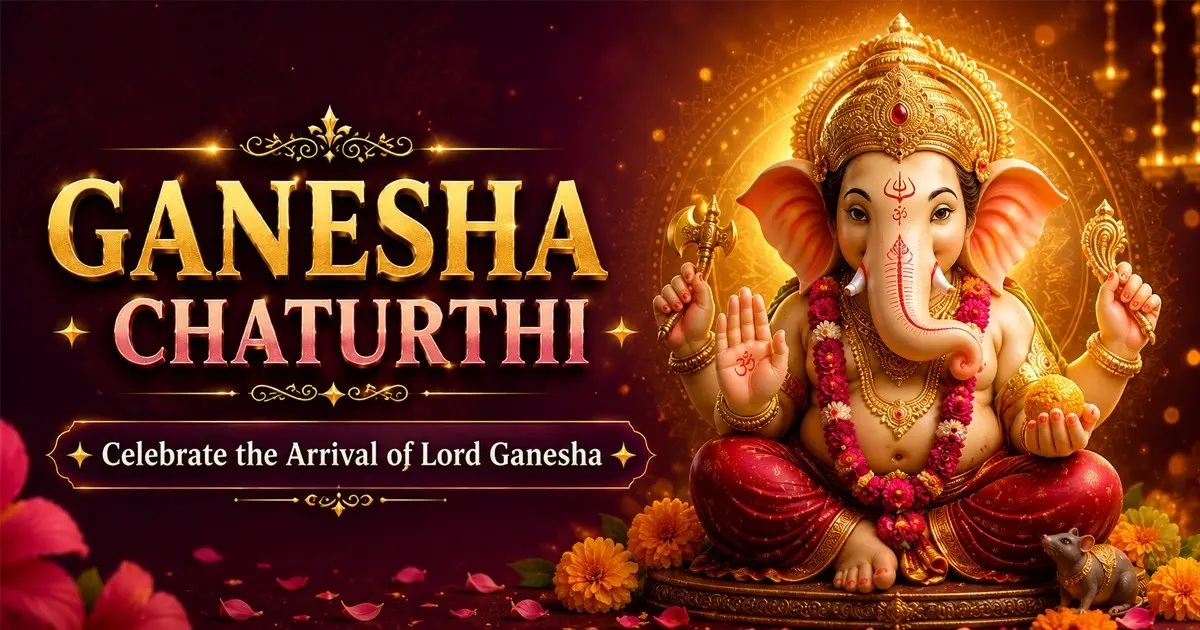
Ganesh Utsav 2026: History, Significance, Rituals, and Celebrations Explained
Ganesh Utsav
Ganesh Utsav, also known as Ganesh Chaturthi, is one of the most vibrant and widely celebrated Hindu festivals in India. Dedicated to Lord Ganesha, the elephant-headed deity revered as the remover of obstacles and the god of new beginnings, this ten-day festival transforms homes, streets, and public spaces into hubs of devotion, art, music, and community spirit. From elaborately decorated pandals in Mumbai and Pune to intimate home celebrations across the country and among the Indian diaspora worldwide, Ganesh Utsav is a festival that blends deep spiritual meaning with joyous public celebration.
In this article, we explore the history, significance, rituals, and modern-day celebration of Ganesh Utsav, along with tips for an eco-friendly and meaningful festival experience.
What is Ganesh Utsav?
Ganesh Utsav marks the birth anniversary of Lord Ganesha, the son of Lord Shiva and Goddess Parvati. The festival typically falls in the Hindu month of Bhadrapada, which usually corresponds to August or September in the Gregorian calendar. It begins with the installation of Ganesha idols in homes and public pandals and concludes with Ganesh Visarjan, the ceremonial immersion of the idol in a water body, symbolizing the deity’s return to his celestial abode.
When is Ganesh Chaturthi Celebrated?
The festival begins on Chaturthi, the fourth day of the waxing moon phase, and continues for ten days, culminating on Anant Chaturdashi. While the exact dates shift every year according to the lunar calendar, the festival consistently falls between mid-August and mid-September.
History and Mythological Significance
According to Hindu mythology, Goddess Parvati created Ganesha from turmeric paste (or sandalwood, depending on the version of the legend) to guard her chamber while she bathed. When Lord Shiva returned and was denied entry by the boy, a fierce battle ensued, resulting in Ganesha’s beheading. To console a grieving Parvati, Shiva replaced the head with that of an elephant, granting the boy divine status and naming him Ganesha, the leader of Shiva’s ganas (attendants).
Ganesha is worshipped as the god of wisdom, prosperity, and good fortune. He is invoked at the beginning of any new venture, be it a wedding, a business launch, or an academic pursuit, because of his role as Vighnaharta, the destroyer of obstacles.
The Freedom Movement Connection
While the worship of Ganesha dates back centuries, the modern public form of Ganesh Utsav owes much to Lokmanya Bal Gangadhar Tilak. In 1893, Tilak transformed private family celebrations into grand public events to unite people across caste and class during India’s freedom struggle, using the festival as a platform for social and political awakening. This tradition of community pandals continues to this day, especially in Maharashtra.
Rituals and Traditions of Ganesh Utsav
1. Pran Pratishtha (Idol Installation)
The festival begins with the ceremonial installation of the Ganesha idol, accompanied by Vedic chants and rituals performed by a priest, invoking the deity’s presence into the idol.
2. Shodashopachara Puja
This is a 16-step ritual worship that includes offering flowers, durva grass, red hibiscus, sandalwood paste, and incense to the deity, along with the chanting of mantras and aarti.
3. Modak Offering
Modak, a sweet dumpling considered Lord Ganesha’s favorite food, is offered as prasad. Families also prepare other traditional sweets like ladoos and puran poli during the festival.
4. Daily Aarti and Bhajans
Households and pandals conduct morning and evening aartis, accompanied by devotional songs, drumming, and community singing that continue throughout the ten days.
5. Ganesh Visarjan
The festival concludes with Visarjan, where the idol is carried in a procession, amid dancing, drumming, and chanting of “Ganpati Bappa Morya, Pudhchya Varshi Lavkar Ya” (Come again next year), before being immersed in a river, lake, or the sea.
Public Celebrations: Pandals, Processions, and Cultural Events
In cities like Mumbai, Pune, and Hyderabad, community-organized pandals (temporary shrines) become the heart of the festival. These pandals often feature:
- Elaborate and thematic idol designs, sometimes reaching heights of 20 feet or more
- Cultural programs including classical dance, music, and drama performances
- Community feasts (bhandaras) that bring together people from all walks of life
- Massive processions during immersion day, with millions participating nationwide
Famous pandals such as Mumbai’s Lalbaugcha Raja and Pune’s Dagdusheth Halwai Ganpati attract lakhs of devotees every year and have become iconic symbols of the festival’s grandeur.
The Rise of Eco-Friendly Ganesh Utsav
In recent years, environmental concerns surrounding the immersion of Plaster of Paris (POP) idols, which do not dissolve easily and pollute water bodies, have led to a growing movement toward eco-friendly celebrations. Key shifts include:
- Clay (Shadu Mati) idols: Biodegradable and safe for immersion in natural water bodies
- Natural, non-toxic paints: Avoiding chemical dyes that harm aquatic life
- Artificial immersion tanks: Set up by municipal corporations as alternatives to rivers and seas
- Smaller idol sizes: Encouraged for home celebrations to reduce environmental impact
- Tree-planting and sapling immersion: An emerging trend where idols made of seed-infused clay are planted instead of immersed
Choosing an eco-friendly Ganesha idol is increasingly seen as a way to celebrate devotion while protecting the environment for future generations.
How Ganesh Utsav is Celebrated Across India and the World
While Maharashtra remains the epicenter of large-scale public celebrations, Ganesh Chaturthi is celebrated with equal enthusiasm in:
- Karnataka and Andhra Pradesh: Known as Vinayaka Chavithi, with unique regional sweets and rituals
- Goa: Celebrated as Chavath, with a strong emphasis on family traditions
- Tamil Nadu: Known as Pillaiyar Chaturthi
- Overseas communities: In the UK, USA, Canada, Australia, and the UAE, the Indian diaspora organizes temple events and community pandals to keep the tradition alive
Frequently Asked Questions (FAQs)
Q1: What is the significance of Ganesh Chaturthi? Ganesh Chaturthi celebrates the birth of Lord Ganesha and honors him as the remover of obstacles and the god of wisdom and new beginnings.
Q2: How many days does Ganesh Utsav last? The festival typically lasts ten days, beginning on Chaturthi and ending on Anant Chaturdashi with the idol’s immersion.
Q3: Why is the idol immersed in water? The immersion, or Visarjan, symbolizes the cycle of creation and dissolution, representing Ganesha’s return to his celestial abode and reinforcing the idea that all forms are temporary.
Q4: What is the best material for an eco-friendly Ganesh idol? Natural clay (shadu mati) idols painted with non-toxic, water-soluble colors are considered the most eco-friendly choice.
Q5: Who started the public celebration of Ganesh Utsav? Lokmanya Bal Gangadhar Tilak popularized the public celebration of Ganesh Utsav in 1893 to foster unity during India’s freedom movement.
Conclusion
Ganesh Utsav is far more than a religious observance; it is a celebration of community, culture, art, and resilience. Whether observed quietly at home with a small clay idol or celebrated amid the roar of drums and crowds at a public pandal, the festival’s core message remains the same: new beginnings are possible when obstacles are faced with wisdom and devotion. As celebrations evolve to embrace sustainability, Ganesh Utsav continues to reflect the timeless values of faith, unity, and adaptability that define Indian culture.
Ganpati Bappa Morya!
Leave a Comment