
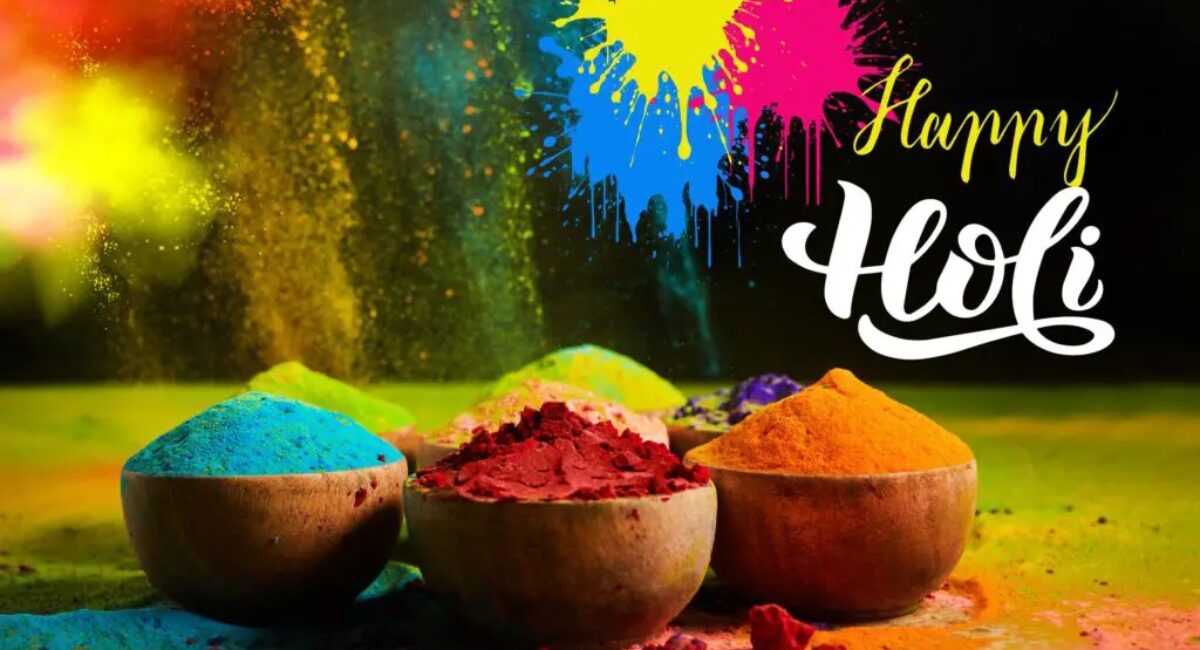
Holi Festival in India: A Complete Guide to the Festival of Colors
Picture this: streets bursting with clouds of crimson, violet, yellow, and green. Strangers hugging each other, smearing bright colors on cheeks, laughing until their eyes water. Drums beating in the background. The smell of freshly fried gujiyas drifting from every kitchen window.
That is Holi arguably the most joyful, most photogenic, and most universally loved festival in the entire Indian calendar. Known the world over as the Festival of Colors. And if you have never experienced it firsthand, this guide will make you wish you had.
Holi Date: Tue, 3 Mar, 2026
Whether you are a curious traveler, a first-time celebrant, or someone who has played Holi all their life but wants to understand it more deeply, you are in the right place. Let us explore the history of Holi, the stories behind it, and everything that makes this festival so extraordinary.
What Is Holi? Understanding the Festival of Colors
Holi is a Hindu spring festival celebrated primarily in India and Nepal, and now across the globe wherever Indian communities have settled. It marks the arrival of spring, the end of winter, and the triumph of good over evil. The festival typically lasts two days the first evening is dedicated to Holika Dahan (a bonfire ritual), and the next morning erupts into the famous color play known as Dhulendi or Rangwali Holi.
The word Holi is believed to derive from ‘Holika,’ the demoness from Hindu mythology whose story forms the spiritual backbone of the festival. Holi is not just about throwing colors it is about renewal, forgiveness, and celebrating life in the most vibrant way imaginable.
Holi 2026 will be observed on Tue, 3 Mar, 2026 (Holika Dahan on the evening of March 2), and it promises to be as spectacular as every year before it.
Why Is Holi Celebrated? The Story of Prahlad and Holika
If you have ever asked ‘why is Holi celebrated?’, the answer lies in one of Hinduism’s most powerful stories a tale of unshakeable faith, evil ambition, and divine justice.
The Mythological Story of Prahlad and Holika
Long ago, there ruled a mighty demon king named Hiranyakashipu. Arrogant beyond measure, he had been granted a boon by the god Brahma that made him nearly immortal. He could not be killed by man or beast, inside or outside, during day or night, on earth or in the sky. Drunk with power, he declared himself a god and commanded his people to worship him and him alone.
His own son, young Prahlad, refused. Prahlad was a devoted follower of Lord Vishnu, and no amount of torture, threats, or punishment could shake his faith. Furious and humiliated, Hiranyakashipu turned to his sister Holika for help. Holika had been blessed with a special cloak that made her immune to fire.
The plan was chilling in its simplicity: Holika would sit in a blazing fire with Prahlad on her lap. The boy would burn; she would walk out unharmed. But divine will had other ideas. Holika’s cloak flew off and wrapped itself around Prahlad, protecting him. Holika perished in the flames she thought would save her.
Lord Vishnu then appeared as Narasimha half man, half lion at dusk (neither day nor night), on the threshold of a doorstep (neither inside nor outside), and slew Hiranyakashipu across his lap (neither on earth nor in the sky). Every condition of the boon was honored. And good triumphed over evil in the most spectacular fashion.
The bonfire of Holika Dahan, lit on the eve of Holi, commemorates this story every single year. It is not just a ritual it is a reminder that devotion and righteousness will always outlast cruelty and ego.
The Love Story of Radha and Krishna
There is another layer to Holi’s soul one that is softer, more playful, and romantic. The story of Radha Krishna Holi is woven deep into the festival’s identity, especially in Uttar Pradesh’s Braj region.
Legend has it that young Krishna, who had a famously dark complexion, once complained to his mother Yashoda that fair-skinned Radha would never love him because of his color. Yashoda, in a moment of playful wisdom, told Krishna to go and color Radha’s face any shade he wished. Krishna did exactly that smearing colors on Radha’s cheeks and laughing in delight. That spontaneous act of love became the blueprint for what we now call Holi.
This is why, in places like Vrindavan and Mathura, Holi is celebrated with extraordinary reverence and joy. The Radha Krishna Holi of Braj is not just a festival it is a love story that repeats itself every spring.
The Significance of Holi: More Than Just Colors
The Holi significance runs much deeper than the exuberant surface. Here is what this festival truly represents:
- Victory of Good Over Evil: Holika Dahan symbolizes the burning away of ego, greed, and malice.
- Welcoming Spring: Holi is a harvest festival too, marking the ripening of winter crops and the hope of abundance.
- Forgiveness and Unity: Holi is the one day when social barriers dissolve. Rich and poor, young and old, neighbor and stranger everyone plays together.
- Renewal of Relationships: Traditionally, people visit those they have had conflicts with, offer sweets, and begin anew.
- The Joy of Being Alive: At its core, Holi is a celebration of life’s color quite literally.
Holi traditions also carry agricultural significance. The bonfire of Holika Dahan was once used by farmers to roast the first grains of the new harvest an act of offering and gratitude to the universe.
How Holi Is Celebrated Across Different States of India
India is a land of astounding diversity, and Holi celebration in India looks remarkably different depending on where you are. Here is a journey through some of the most distinctive regional celebrations:
Uttar Pradesh Lathmar Holi of Barsana
Perhaps the most unique Holi in the world happens in the village of Barsana, near Mathura. Known as Lathmar Holi, women here chase men with sticks (lathis) while men try to shield themselves and sing teasing songs. It is rowdy, hilarious, and deeply rooted in the Radha Krishna Holi legend. Thousands of tourists travel to Braj specifically for this one-of-a-kind spectacle.
West Bengal Dol Jatra
In Bengal, Holi is called Dol Jatra or Dol Purnima, and it has a distinctly graceful character. Idols of Radha and Krishna are placed on ornately decorated palanquins and carried through the streets in procession. Women dressed in white and yellow saris sprinkle red powder (abir) on the idols. The celebrations here feel more like poetry than a party.
Punjab Hola Mohalla
Among the Sikh community, Hola Mohalla is celebrated a day after Holi with warrior traditions. Established by Guru Gobind Singh in 1701, the festival features mock battles, martial arts displays, and kirtan performances at Anandpur Sahib. It is a breathtaking display of the Sikh spirit brave, disciplined, and deeply spiritual.
Rajasthan Royal Holi
In Jaipur and Udaipur, Holi takes on a regal air. The City Palace in Jaipur hosts grand Holi celebrations complete with elephant parades and folk musicians. The royalty of Udaipur participates in elaborate ceremonies at the palace. Colors here come with a dash of royal pageantry.
Maharashtra Rang Panchami
In Maharashtra and parts of Madhya Pradesh, the festival continues five days after Holi on Rang Panchami. Dry gulal is thrown into the air in massive quantities, creating breathtaking colored fog. In Malwa, this is considered the actual main event, celebrated with even more fervor than Holi itself.
Manipur Yaosang
In Manipur, the five-day festival of Yaosang coincides with Holi. It uniquely blends Hindu Holi traditions with Meitei customs, featuring sports competitions, folk dances like Thabal Chongba, and cultural programs. It is a beautiful example of cultural fusion.
Traditional Foods of Holi: A Feast for the Senses
No Holi celebration in India is complete without its legendary spread of festival foods. These are not just snacks they are edible traditions passed down through generations:
- Gujiya: The undisputed queen of Holi foods. A deep-fried pastry stuffed with khoya (dried milk), nuts, and coconut sweet, crispy, and utterly addictive.
- Thandai: A chilled milk drink blended with almonds, fennel, cardamom, saffron, and rose petals. Sometimes infused with bhang (cannabis), particularly in Varanasi and Mathura.
- Puran Poli: A sweet flatbread stuffed with jaggery and lentil filling, beloved in Maharashtra and Karnataka.
- Malpua: Soft, syrup-soaked pancakes made with khoya and flour a North Indian Holi staple.
- Dahi Bhalle: Lentil dumplings soaked in yogurt with tamarind chutney and spices the perfect cooling contrast to the heat of the day.
- Kanji Vada: A tangy, fermented mustard-flavored drink with crispy fried lentil vadas popular in Rajasthan.
- Shakarpara and Namak Para: Crunchy sweet and savory biscuits that get prepared weeks in advance and gifted to neighbors.
Sharing these foods is as integral to Holi traditions as the colors themselves. No one eats alone during Holi.
Modern Holi Celebrations: How the Festival Has Evolved
While the soul of Holi remains unchanged, the way people celebrate has grown with the times. Modern Holi celebrations now include massive music festivals, ticketed Holi parties in cities like Mumbai, Delhi, and Bengaluru, and corporate Holi events in office parks.
The ‘Holi Moo’ festival in Mumbai, Holi Hai events in Delhi’s DLF parks, and countless rooftop parties have made the festival accessible even to those who did not grow up playing it. Social media has turned Holi into a global visual event every year, millions of photographs from the festival travel across Instagram and Pinterest, drawing even more curiosity from the world.
International tourists now specifically plan India trips around Holi, and the Vrindavan-Mathura region sees visitors from over 60 countries every year. Holi runs in countries like the USA, UK, Australia, and Singapore have become beloved community events in Indian diaspora circles spreading the spirit of the Festival of Colors to every corner of the world.
Safe Holi Celebration: Protecting Yourself and Others
A safe Holi celebration is a happy one. With a little preparation, you can enjoy every moment without worry. Here are essential tips for playing Holi safely:
Skin and Hair Protection
- Apply a generous coat of coconut oil or body lotion before stepping out it creates a barrier that makes color removal much easier.
- Apply oil to your hair and scalp, or wear a bandana or cap.
- Always choose colors labeled ‘skin-safe’ or ‘herbal.’ Avoid colors with metallic shine or industrial pigments.
- Wear old, full-sleeved clothes you do not mind discarding later.
Eye and Health Safety
- Wear sunglasses to protect your eyes from color powder.
- If colors enter your eyes, rinse with clean water immediately and do not rub.
- People with asthma or respiratory conditions should avoid playing near large dry color clouds.
- Keep children hydrated and apply sunscreen before they head out.
Personal Boundaries
- Always play Holi with consent never force color on someone who does not wish to participate.
- Do not use water balloons in areas with elderly people or those with medical conditions.
Eco-Friendly Holi: Celebrating Responsibly
The shift towards an eco-friendly Holi is one of the most important movements in modern festival culture. Traditional synthetic colors, made with industrial chemicals like malachite green, lead oxide, and copper sulfate, can cause serious skin irritation, allergic reactions, and environmental damage.
Here is how you can celebrate a truly eco-friendly Holi:
- Use natural, herbal colors made from turmeric (yellow), rose petals (pink/red), marigold flowers (orange), indigo (blue), and mehndi/henna leaves (green). These are available online and in specialty stores across India.
- Make your own colors at home by drying and powdering flowers, mixing turmeric with gram flour, or using beetroot powder.
- Play dry Holi instead of water Holi in areas facing water scarcity this saves thousands of liters of precious water.
- Avoid plastic bags and water balloons, which contribute significantly to post-Holi litter.
- Clean up your neighborhood after celebrations a beautiful Holi is one that leaves the streets as colorful and clean as it found them.
An eco-friendly Holi is not a compromise it is an upgrade. Natural colors are gentler on skin, safer for children, and biodegradable. They also smell wonderful.
[Internal link suggestion: Link to related article on ‘How to Make Natural Holi Colors at Home’ or Diwali eco-friendly tips]
Frequently Asked Questions About Holi
1. When is Holi 2026?
Holi 2026 falls on Friday, March 13, 2026. Holika Dahan will take place on the evening of March 12, 2026. The festival is observed on the full moon day (Purnima) of the Hindu month of Phalguna, which typically falls in February or March.
2. Why is Holi called the Festival of Colors?
Holi is called the Festival of Colors because of the tradition of throwing and smearing colored powder and water on friends, family, and strangers alike. The colors symbolize joy, love, spring, and the playful spirit of Lord Krishna, who is said to have started the tradition by coloring Radha’s face. Radha Krishna Holi remains a central part of the festival’s mythology.
3. What is the significance of Holika Dahan?
Holika Dahan is the bonfire ritual performed on the eve of Holi. It commemorates the burning of the demoness Holika, who tried to kill the devotee Prahlad. The bonfire symbolizes the victory of good over evil and the burning away of negative forces. People gather around the fire, perform prayers, and walk around it to seek blessings for a prosperous year ahead.
4. What are the best places to celebrate Holi in India?
Some of the best places to experience Holi celebration in India include Mathura and Vrindavan (for authentic Radha Krishna Holi), Barsana (for Lathmar Holi), Jaipur (for royal celebrations), Anandpur Sahib (for Hola Mohalla), Varanasi (for the ghats experience), and Shantiniketan in West Bengal (for Dol Utsav, a Tagore-era tradition).
5. How do I remove Holi colors from my skin?
To remove Holi colors easily, apply coconut or mustard oil before playing this prevents colors from setting deep. Afterward, use a gentle cleanser or besan (gram flour) scrub. Soak in warm water before scrubbing. For hair, apply oil overnight and shampoo the next morning. Avoid scrubbing aggressively, as this can irritate the skin.
6. Is Holi celebrated in other countries?
Yes, the Holi festival has gone truly global. Major Holi runs and color festivals are held every year in the United States, United Kingdom, Canada, Australia, Singapore, Mauritius, Trinidad and Tobago, and South Africa wherever significant Indian diaspora communities reside. In many cities, it has been adopted by non-Indian communities as a general celebration of spring and joy.
7. What is the connection between Holi and spring?
Holi is also known as Vasanta Utsav (Spring Festival). It marks the end of the harsh winter and celebrates the blooming of flowers and ripening of crops. The vivid colors used during Holi are directly inspired by the colors of spring flowers. Historically, farmers would roast newly harvested grains in the Holika Dahan bonfire as a thanksgiving ritual.
Conclusion: Let the Colors Find You
Holi is more than a festival. It is a philosophy dressed in powder and laughter. It teaches us that joy is contagious, that colors dissolve differences, and that every year no matter what came before spring returns and life begins again.
From the mythological fire of Holika Dahan to the painted lanes of Vrindavan, from the warrior energy of Hola Mohalla to the quiet grace of Dol Jatra in Bengal, Holi’s many faces reflect the beautiful complexity of India itself. Every tradition, every story, every sweet, and every color tells a piece of that story.
As Holi 2026 approaches, whether you plan to step outside into a storm of gulal or simply want to understand the festival better, we hope this guide has brought you a little closer to its heart. Play safe. Play sustainably. And let the colors find you.
Diwali: Festival of Lights
Navratri: Nine Nights of Dance and Devotion,
Leave a Comment