
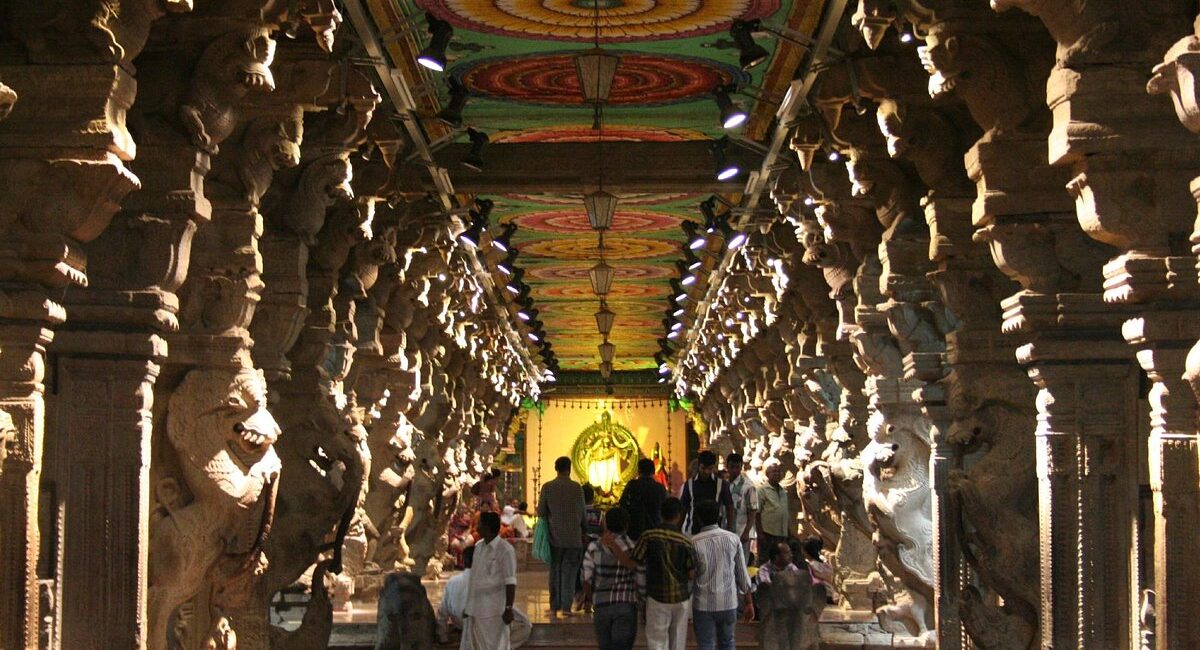
Aayiram Kaal Mandapam: The Magnificent Thousand Pillar Hall of Madurai
Introduction to Aayiram Kaal Mandapam
Aayiram Kaal Mandapam, also known as the Thousand Pillar Hall, stands as one of the most remarkable architectural wonders within the Meenakshi Amman Temple complex in Madurai, Tamil Nadu. This stunning corridor showcases the pinnacle of Dravidian architecture and continues to captivate visitors from around the world with its intricate craftsmanship and historical significance.
History of the Thousand Pillar Hall
Built in 1569 CE by Ariyanatha Mudaliar, the chief minister and general of King Thirumalai Nayak, Aayiram Kaal Mandapam represents the golden era of Nayak dynasty architecture. The mandapam was constructed as an extension to the ancient Meenakshi Temple, which dates back over 2,500 years.
The hall served multiple purposes throughout history, functioning as a gathering space for religious ceremonies, cultural performances, and royal assemblies. Its construction required extraordinary planning and engineering skills, especially considering the era’s limited technological resources.
Architectural Marvel: Design and Structure
The Famous Pillars
Despite its name suggesting one thousand pillars, Aayiram Kaal Mandapam actually contains 985 intricately carved granite pillars. Each pillar is a masterpiece of sculptural art, featuring:
- Detailed carvings of Hindu deities, mythological scenes, and celestial beings
- Yali sculptures (mythical lion-like creatures) that are iconic to South Indian temple architecture
- Musical pillars in certain sections that produce different musical notes when tapped
- Unique designs ensuring no two pillars are identical
Structural Engineering
The mandapam spans an impressive area and demonstrates advanced engineering principles:
- Precise alignment and spacing of pillars
- Load-bearing distribution that has survived centuries
- Natural ventilation and lighting systems
- Acoustic properties that enhance sound during religious chants and music
Art and Iconography
The sculptural wealth of Aayiram Kaal Mandapam includes
Religious Figures
- Depictions of Lord Shiva, Goddess Meenakshi, and other Hindu deities
- Scenes from Hindu epics like Ramayana and Mahabharata
- Images of saints and devotees
Mythological Themes
- Stories from Puranas carved in sequential panels
- Celestial dancers (apsaras) and musicians
- Guardian figures protecting the sacred space
Everyday Life Scenes
- Merchants and traders
- Warriors and soldiers
- Common people engaged in daily activities
Current Use: Temple Art Museum
Today, Aayiram Kaal Mandapam houses the Temple Art Museum, which displays:
- Ancient bronze sculptures
- Stone inscriptions
- Historical artifacts from the temple’s treasury
- Photographs documenting the temple’s restoration
- Traditional musical instruments
- Paintings depicting temple legends
The museum offers visitors deeper insights into the temple’s rich cultural heritage and artistic traditions spanning several centuries.
Visiting Aayiram Kaal Mandapam
Location and Access
- Address: Meenakshi Amman Temple, Madurai, Tamil Nadu 625001, India
- Nearest Airport: Madurai Airport (12 km away)
- Nearest Railway Station: Madurai Junction (2 km away)
Timings
- The temple is open daily from 5:00 AM to 12:30 PM and 4:00 PM to 10:00 PM
- Best time to visit: Early morning or late afternoon to avoid crowds
Entry Fee
- Temple entry is free for all visitors
- Museum entry may have a nominal fee for non-Hindu visitors
Photography
- Photography is generally not permitted inside the main temple premises
- Check with authorities regarding museum photography
Best Time to Visit Madurai
The ideal time to visit Aayiram Kaal Mandapam and Madurai is:
- October to March: Pleasant weather with temperatures ranging from 20°C to 30°C
- Festival Season: Meenakshi Tirukalyanam (April/May) and Navaratri (September/October) offer spectacular cultural experiences
- Avoid: Summer months (April-June) when temperatures exceed 40°C
Tips for Visitors
- Dress Code: Wear modest clothing covering shoulders and knees; traditional Indian attire is appreciated
- Footwear: Must be removed before entering the temple premises; paid shoe storage available
- Guides: Local guides can provide detailed historical and architectural insights
- Duration: Allocate 2-3 hours to fully explore the mandapam and museum
- Respect: Maintain silence and respect religious sentiments of worshippers
Cultural Significance
Aayiram Kaal Mandapam represents more than architectural brilliance it embodies:
- The devotional fervor of ancient Tamil civilization
- The patronage of arts by the Nayak rulers
- The skill and dedication of Vishwakarma community artisans
- The continuity of Hindu temple traditions
- The integration of art, religion, and social life in Tamil culture
Nearby Attractions in Madurai
While visiting Aayiram Kaal Mandapam, explore these nearby attractions:
- Meenakshi Amman Temple (main complex)
- Thirumalai Nayak Palace (2 km)
- Gandhi Memorial Museum (4 km)
- Alagar Kovil Temple (21 km)
- Samanar Hills (10 km)
Conservation Efforts
The Archaeological Survey of India (ASI) and Tamil Nadu state government have undertaken several restoration projects to preserve Aayiram Kaal Mandapam:
- Structural stabilization of ancient pillars
- Cleaning and restoration of carvings
- Installation of modern security systems
- Climate control measures in the museum
- Documentation and digital archiving of artifacts
Conclusion
Aayiram Kaal Mandapam stands as a testament to India’s rich architectural heritage and artistic excellence. Whether you’re a history enthusiast, architecture lover, spiritual seeker, or curious traveler, this magnificent hall offers an unforgettable journey through time. The intricate carvings, towering pillars, and sacred atmosphere create an experience that resonates long after your visit.
Plan your trip to Madurai to witness this extraordinary monument that has inspired awe for over 450 years and continues to be a living symbol of Tamil Nadu’s glorious past.
Frequently Asked Questions (FAQs)
Q1: How many pillars are actually in Aayiram Kaal Mandapam? A: Despite its name meaning “thousand pillar hall,” it contains 985 intricately carved pillars.
Q2: Who built the Aayiram Kaal Mandapam? A: It was built in 1569 CE by Ariyanatha Mudaliar during the reign of King Thirumalai Nayak.
Q3: Can non-Hindus visit the mandapam? A: Yes, the museum section is open to all visitors regardless of religion.
Q4: Are the musical pillars still functional? A: Yes, some pillars produce musical notes when tapped, though touching them is generally discouraged to preserve the ancient structure.
Q5: How much time should I allocate for visiting? A: Plan for 2-3 hours to explore the mandapam and museum thoroughly.


Leave a Comment