
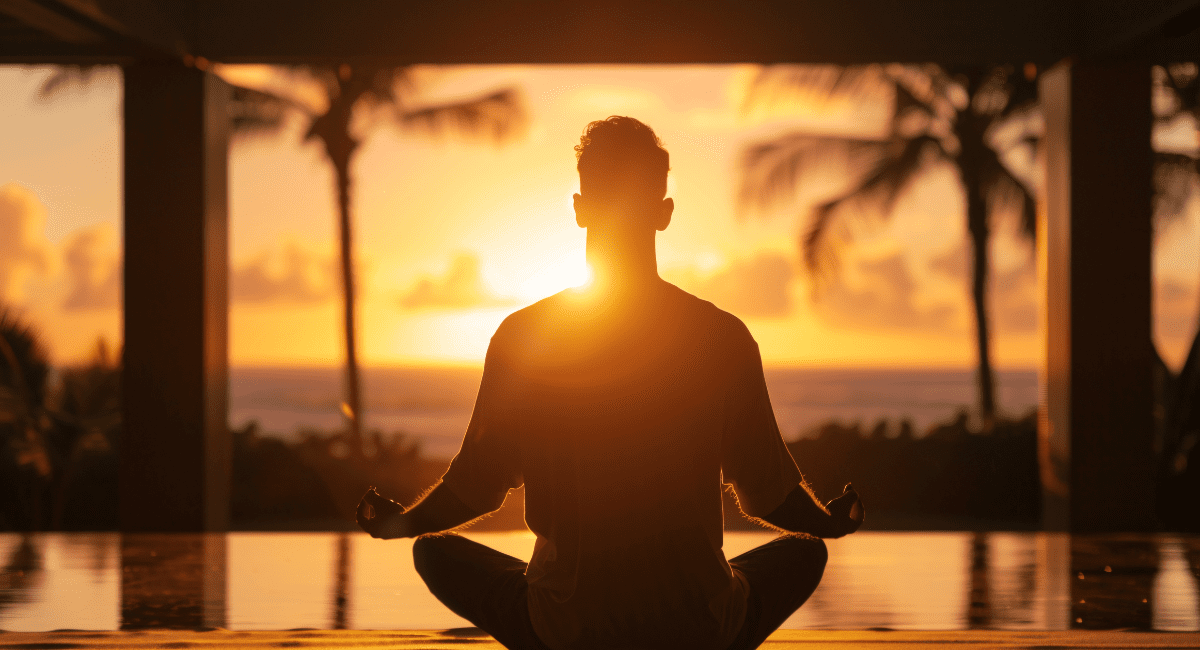
How to Start a Daily Meditation Practice: Complete Beginner’s Guide
How to Start a Daily Meditation Practice
Finding peace in today’s chaotic world seems almost impossible. Between endless notifications, demanding schedules, and constant mental chatter, our minds rarely get a moment to rest. But what if you could create a small sanctuary of calm each day? Learning how to start a daily meditation practice can transform your mental health, reduce stress, and improve focus and it’s simpler than you think. This comprehensive guide shows you exactly how to begin meditating, even if you’ve never tried before, with practical techniques that fit into any lifestyle.
Why Start a Daily Meditation Practice? {#why-meditation}
The modern world pulls your attention in countless directions simultaneously. Your phone buzzes with notifications, your inbox overflows with urgent messages, and your mind races with tomorrow’s to-do list. This constant stimulation creates a background hum of stress that most people accept as normal life.
A daily meditation practice offers something profoundly different: the ability to step out of this chaos and reconnect with stillness. For beginners wondering how to start meditating, the journey begins with understanding that meditation isn’t about escaping life it’s about learning to be fully present in it.
You don’t need to sit cross-legged on a mountaintop or chant ancient mantras. You don’t need special equipment, years of training, or even much time. What you need is a willingness to pause, breathe, and pay attention. That’s the foundation of every meditation practice, from the simplest to the most advanced.
The beauty of meditation for beginners lies in its accessibility. Whether you have two minutes or twenty, whether you’re sitting in your office chair or on your living room floor, you can practice meditation. The question isn’t whether you’re ready to meditate it’s whether you’re ready to give yourself the gift of presence.
Scientific Benefits of Daily Meditation {#benefits}
Meditation might sound mystical, but the benefits are backed by solid science. Researchers have conducted thousands of studies examining how meditation affects the brain, body, and behavior. The results are remarkable.
Mental Health Benefits
When you start a daily meditation practice, you’re essentially giving your brain a workout. Just as physical exercise strengthens muscles, meditation strengthens your mental resilience and emotional regulation.
Studies show that regular meditation reduces stress hormones by up to 60%. People who meditate daily report significant decreases in anxiety, even when facing the same life circumstances that previously triggered worry. Depression symptoms often lessen as practitioners develop greater awareness of negative thought patterns and learn to respond rather than react.
Focus and concentration improve dramatically. In our age of constant distraction, the ability to sustain attention on a single task has become a superpower. Meditation trains exactly this skill—bringing your wandering mind back to a single point of focus, again and again. Research indicates that just eight weeks of daily practice can enhance attention span and cognitive performance.
Physical Health Benefits
The mind-body connection runs deeper than most people realize. When you calm your mind through meditation, your body responds in measurable ways.
Blood pressure drops naturally as your nervous system shifts from fight-or-flight mode into rest-and-digest mode. This makes meditation particularly valuable for people managing hypertension or cardiovascular concerns.
Your immune system strengthens. Studies show increased production of antibodies and enhanced activity of natural killer cells your body’s first line of defense against illness. People who meditate regularly report fewer sick days and faster recovery when illness does strike.
Sleep quality improves significantly. By quieting the mental chatter that keeps many people awake at night, meditation helps you fall asleep faster and sleep more deeply. Many practitioners report that evening meditation has replaced their need for sleep aids.
Chronic pain becomes more manageable. While meditation doesn’t eliminate pain, it changes your relationship with discomfort. By observing pain without resistance, people often experience reduced pain intensity and greater ability to function despite physical challenges.
Brain Changes
Perhaps most fascinating are the structural changes that happen in your brain. Neuroimaging studies reveal that consistent meditation practice actually reshapes your brain’s architecture.
The prefrontal cortex responsible for decision-making, focus, and emotional regulation grows thicker with regular practice. This region helps you make better choices, stay focused on goals, and respond thoughtfully rather than react impulsively.
Meanwhile, the amygdala your brain’s alarm system that triggers stress responses actually shrinks. This means you become less reactive to stressors and recover more quickly when challenges arise.
The hippocampus, crucial for learning and memory, shows increased gray matter density in meditators. This helps explain why practitioners often report improved memory and learning capacity.
These changes can occur in as little as eight weeks of regular practice. Your brain is remarkably plastic, constantly rewiring itself based on what you do repeatedly. When you meditate daily, you’re literally sculpting your brain toward greater calm, focus, and resilience.
How to Start Meditating: Step-by-Step Guide {#getting-started}
Now that you understand why meditation matters, let’s address the practical question: how do you actually start? The following step-by-step approach has helped thousands of beginners build sustainable meditation practices.
Week 1: Building Your Foundation
Start Small Seriously Small
This is the single most important tip for learning how to start a daily meditation practice: begin with just two minutes. Not twenty minutes. Not even ten minutes. Two minutes.
Why so short? Because the primary goal in your first week isn’t to achieve enlightenment or even to feel particularly calm. Your goal is to establish the habit of sitting down to meditate. Two minutes feels so manageable that you have no excuse to skip it. You can’t claim you’re too busy, too tired, or too stressed for two minutes.
This approach works because it eliminates the psychological resistance that sabotages most meditation attempts. When you commit to twenty minutes, part of your mind rebels: “I don’t have time for this. This is too hard. Maybe tomorrow.” When you commit to two minutes, that resistance has nowhere to hide.
Set a timer on your phone for exactly two minutes. When it rings, you’re done. Even if you’re feeling peaceful and want to continue, stop. This teaches your brain that meditation is easy and achievable, building positive associations with the practice.
Choose Your Optimal Time
The best time to meditate is whenever you’ll actually do it consistently. That said, different times offer different advantages.
Morning meditation works exceptionally well for most people. Your mind is fresh, your house is quiet, and you haven’t yet accumulated the day’s stresses. By meditating first thing, you start your day from a grounded place rather than immediately diving into chaos. You also eliminate the risk of other commitments crowding out your practice.
Midday meditation offers a reset button during lunch breaks. When the morning’s urgency has depleted your focus and the afternoon stretches ahead, five minutes of meditation can restore clarity and energy more effectively than scrolling social media.
Evening meditation helps you decompress after work. Instead of carrying office stress into your personal time, you create a clear transition. Many people find that evening practice improves their sleep quality.
Before-bed meditation serves those who struggle with racing thoughts at night. By quieting your mind before sleep, you fall asleep faster and sleep more soundly.
Experiment with different times during your first week. Notice when meditation feels most natural and when you’re most likely to follow through. Then commit to that time for at least a month before changing it.
Create Your Meditation Space
You don’t need a dedicated meditation room, expensive cushions, or any special equipment. What you need is a spot where you can sit comfortably for a few minutes without constant interruptions.
This might be a corner of your bedroom, a chair in your office, or even your parked car during lunch break. The location matters less than the consistency using the same spot daily creates a psychological trigger that signals your brain: “This is where I meditate.”
Make the space inviting. If you’re sitting on the floor, add a cushion for comfort. If you’re using a chair, choose one where you can sit with your back reasonably straight without straining. Clear away clutter from your immediate view. Consider dimming bright lights or opening a window for fresh air.
Tell household members about your practice time and ask them to minimize interruptions. Put your phone on airplane mode or in another room. Create the conditions for success by removing obvious obstacles.
Week 2-4: Deepening Your Practice
After completing a week of consistent two-minute sessions, gradually extend your practice time. Add one minute each week: three minutes in week two, four minutes in week three, five minutes in week four.
This gradual progression feels almost imperceptible, yet it builds your capacity steadily. By the end of the first month, you’re meditating five times longer than when you started without it feeling like a dramatic increase.
Notice what happens during these slightly longer sessions. Does your mind wander more? Do you become restless? Simply observe these patterns without judgment. Everything you notice teaches you about your mind.
Best Meditation Techniques for Beginners {#techniques}
Dozens of meditation techniques exist, from ancient traditions to modern innovations. For beginners learning how to start meditating, the following methods offer the most accessible entry points.
Breath Awareness Meditation
This is the foundation of most meditation practices and the best technique for beginners. It’s simple, requires no equipment, and you can practice it anywhere.
Step 1: Find Your Position
Sit comfortably with your back reasonably straight but not rigid. Imagine a string gently pulling the crown of your head toward the ceiling, lengthening your spine without creating tension.
You can sit in several positions. In a chair, place your feet flat on the floor with your legs uncrossed. Rest your hands on your thighs or in your lap. On the floor, sit cross-legged on a cushion elevated enough that your knees drop below your hips. You can also kneel with a cushion or meditation bench supporting your weight.
The key isn’t the specific position but finding one that’s stable and comfortable enough to maintain for your practice duration. Your body should feel alert but not strained.
Step 2: Set Your Gaze
Close your eyes gently. If closing your eyes makes you drowsy or anxious, keep them slightly open with a soft downward gaze at a point on the floor a few feet ahead.
Step 3: Focus on Your Breath
Bring your attention to the physical sensation of breathing. You might notice the cool air entering your nostrils and warm air leaving. You might feel your chest rising and falling. You might sense your belly expanding and contracting.
Choose one of these locations and stick with it for the entire session. Don’t control your breathing just observe it. Let your breath happen naturally while you pay attention.
Notice the beginning, middle, and end of each inhalation. Notice the beginning, middle, and end of each exhalation. If there’s a natural pause between breaths, notice that too.
Step 4: Work With Your Wandering Mind
Within seconds literally seconds your mind will wander. This is completely normal. Your mind might jump to your to-do list, replay yesterday’s conversation, or spin a fantasy about next weekend. This isn’t a problem. This isn’t failure. This is meditation.
The practice happens in the moment you notice your mind has wandered and you gently guide your attention back to your breath. That moment of returning is like doing a bicep curl for your brain. Each time you bring your attention back, you strengthen your ability to focus.
Don’t criticize yourself for wandering. Don’t get frustrated that you’ve returned your attention dozens of times in two minutes. This is exactly what you’re supposed to be doing. The wandering mind isn’t the obstacle to meditation it’s the reason we meditate.
Think of your attention like a puppy you’re training. When the puppy wanders off, you don’t yell at it. You gently guide it back, again and again, with patience and kindness. That’s how you work with your mind.
Body Scan Meditation
This technique involves systematically moving your attention through different parts of your body, making it excellent for people who struggle to focus on breath alone.
Start with your feet. Notice any sensations warmth, coolness, tingling, pressure, or perhaps no sensation at all. Spend 30 seconds simply observing your feet without trying to change anything.
Move your attention to your ankles, then your calves, knees, thighs. Continue upward through your pelvis, belly, chest, back, shoulders, arms, hands, neck, and head. Notice each area with curiosity and acceptance.
If you encounter tension, imagine breathing into that area. Don’t force the tension away just observe it. Often, bringing gentle awareness to tense areas naturally allows them to release.
Body scan meditation develops the mind-body connection and helps you recognize where you hold stress. Many people discover they habitually tense their shoulders, clench their jaw, or tighten their belly without realizing it.
Walking Meditation
For people who find sitting meditation uncomfortable or boring, walking meditation offers an active alternative. This technique proves that meditation isn’t about stillness it’s about awareness.
Find a quiet path where you can walk slowly for 10-20 steps without interruption. Stand still for a moment, feeling your feet on the ground. Notice your posture.
Begin walking very slowly much slower than your normal pace. Bring your full attention to the physical sensations of walking. Feel your heel lifting, your foot moving through the air, your heel touching down, your weight shifting forward.
Notice the subtle movements in your ankles, knees, hips. Feel the engagement and release of different muscles. Observe how your arms swing slightly or hang at your sides.
When you reach the end of your path, pause, turn slowly, and walk back. If your mind wanders and it will bring your attention back to the sensations of walking.
Walking meditation works beautifully for restless people who struggle to sit still. It’s also practical for incorporating meditation into daily life. You can practice mindful walking during your commute, in your office hallway, or while walking your dog.
Guided Meditation
Guided meditations feature a teacher’s voice leading you through the practice. For many beginners, this proves easier than meditating in silence because the guidance keeps your mind anchored.
Numerous free resources offer quality guided meditations. Apps like Insight Timer provide thousands of guided sessions ranging from two minutes to an hour. Headspace offers structured programs that teach meditation progressively. Calm features meditations focused on specific goals like better sleep or reduced anxiety.
YouTube hosts countless free guided meditations. Search for “guided meditation for beginners” and experiment with different teachers until you find voices and styles you connect with.
Guided meditation works especially well when you’re learning a new technique. Once you understand the basics, you might graduate to practicing in silence. Or you might prefer guided sessions indefinitely there’s no “right” way to practice.
Loving-Kindness Meditation
This technique cultivates compassion and positive emotions toward yourself and others. Research shows it effectively reduces self-criticism and increases feelings of connection.
Sit comfortably and take a few deep breaths. Bring to mind an image of yourself. Silently repeat phrases like: “May I be happy. May I be healthy. May I be safe. May I live with ease.”
Say these phrases slowly, letting their meaning settle. Don’t worry if you don’t feel anything immediately you’re planting seeds.
After a few minutes focusing on yourself, bring to mind someone you love. Repeat the phrases for them: “May you be happy. May you be healthy. May you be safe. May you live with ease.”
Next, think of a neutral person someone you see regularly but don’t know well, like a grocery store clerk. Extend the same wishes to them.
If you’re ready, bring to mind someone you find difficult and offer them the same phrases. This can feel challenging, but it’s powerful practice for releasing resentment.
Finally, expand your awareness to include all beings everywhere, repeating: “May all beings be happy. May all beings be healthy. May all beings be safe. May all beings live with ease.”
Loving-kindness meditation balances practices focused purely on concentration. It reminds us that meditation isn’t just about personal peace it’s about cultivating a more compassionate relationship with all of life.
Overcoming Common Meditation Challenges {#obstacles}
Every meditator, from complete beginners to experienced practitioners, encounters obstacles. Understanding these challenges helps you navigate them skillfully rather than giving up.
“My Mind Won’t Stop Thinking”
This is the number one concern beginners express when learning how to start a daily meditation practice. Here’s the truth: your mind is supposed to think. That’s literally its job.
Meditation isn’t about stopping thoughts or achieving a blank mind. Such a state isn’t possible unless you’re unconscious. Instead, meditation teaches you a different relationship with thinking.
Normally, when a thought arises, you immediately follow it. One thought about dinner triggers a thought about groceries, which triggers a memory of last week’s shopping trip, which reminds you of a conversation you had, and suddenly you’re replaying an entire exchange from days ago. This happens in seconds, and you don’t even notice.
Meditation creates space between you and your thoughts. You learn to notice: “Ah, there’s a thought about dinner.” Then you return to your breath. “There’s a thought about that upcoming meeting.” Return to breath. “There’s a judgment about my meditation ability.” Return to breath.
You’re not stopping thoughts you’re choosing not to follow them. This skill transforms your life. When anxiety arises, you notice it without being consumed by it. When anger appears, you observe it without acting from it. The thoughts and emotions still occur, but they no longer control you.
Your busy mind isn’t a problem to fix. It’s the perfect mind to meditate with.
“I Don’t Have Time to Meditate”
Let’s be honest about this objection. You have time. The question is whether you prioritize meditation.
Consider your daily activities. How much time do you spend on social media? Watching TV? Reading news? Playing games on your phone? Most people spend 2-4 hours daily on screens beyond necessary work and communication.
Starting a daily meditation practice requires two minutes. That’s 0.14% of your waking hours. You absolutely have two minutes. What you might lack is motivation or clear priorities.
Here’s a reframe: meditation doesn’t take time from your day. It gives you time. When you’re scattered and distracted, simple tasks take longer. You make mistakes that require correction. You forget things and must double back. The mental fog of stress and fatigue wastes enormous time.
Meditation clears that fog. The clarity, focus, and energy you gain more than compensates for the minutes spent meditating. Many practitioners report getting more done in less time once they establish a practice.
If you genuinely struggle to find time, audit your day. Write down everything you do for three days. You’ll discover pockets of time you didn’t realize existed waiting for coffee to brew, commuting on the train, transitioning between work tasks.
Meditation doesn’t require you to add something to an already full schedule. It requires you to choose it over something else. That’s not a time problem it’s a priority problem.
“I Can’t Sit Still”
Some people find sitting meditation genuinely difficult due to physical discomfort, restlessness, or attention differences. The good news: sitting still isn’t required for meditation.
Try walking meditation as described earlier. The movement satisfies your need for activity while still training attention and awareness.
Practice mindful movement like gentle yoga, tai chi, or qigong. These ancient practices combine meditation with slow, deliberate movements.
Even simple stretching can become meditation when you bring full awareness to the sensations in your body as you move.
Some people with ADHD or high-energy temperaments find that moving meditation works better for them indefinitely. There’s no rule that says “real” meditation must be seated and still. The core of all meditation is present-moment awareness, which you can cultivate through countless activities.
That said, if restlessness is mental rather than physical, sitting with it teaches valuable lessons. The discomfort you feel when sitting still often mirrors the discomfort you avoid in life. Learning to be with restlessness without immediately reacting is profound practice.
“I Feel Uncomfortable or Anxious”
Meditation brings you face-to-face with whatever you’ve been avoiding through distraction. For some people, sitting quietly triggers anxiety because they’re no longer numbing uncomfortable feelings with busyness.
This is actually a sign that you need meditation, not a reason to avoid it. The anxiety was already there meditation just reveals it.
Start with very short sessions if anxiety arises. Even one minute of gentle breath awareness. Gradually, as you develop tolerance for sitting with discomfort, extend your time.
Consider guided meditations focused on anxiety reduction. A calming voice can help anchor you when sitting in silence feels too intense.
Try meditation with your eyes open, which can feel less overwhelming than closing your eyes if that triggers anxiety.
Remember that physical discomfort is different from emotional discomfort. Physical pain from an uncomfortable position should be addressed by adjusting your posture or changing positions. Emotional discomfort from facing difficult feelings is part of the process and will decrease with practice.
If anxiety becomes overwhelming, consult a mental health professional. Meditation can complement therapy but shouldn’t replace treatment for anxiety disorders.
“I’m Not Doing It Right”
This doubt plagues nearly every beginner. You sit down to meditate and immediately wonder: Am I breathing correctly? Should my mind be quieter? Is this supposed to feel different?
Here’s the truth: if you’re making an effort to pay attention, you’re doing it right. There’s no perfect meditation. Advanced practitioners also have sessions where their minds wander constantly, their bodies feel uncomfortable, and nothing seems to be working.
The “perfect” meditation isn’t one where you achieve some blissful state. It’s one where you showed up and practiced. The session where you brought your attention back 100 times is just as valuable arguably more valuable than the session where your mind felt naturally calm.
Stop evaluating your meditations as “good” or “bad.” Instead, simply observe: my mind was busy today, or my mind was relatively settled today. Both are fine. Both are meditation.
The only way to do meditation wrong is to beat yourself up for how you’re doing it. Approach your practice with the same kindness you’d extend to a friend learning something new.
“Nothing Is Happening”
Some people expect dramatic experiences from meditation visions, euphoria, mystical insights. When these don’t occur, they conclude meditation isn’t working.
Meditation’s most profound benefits accumulate gradually and reveal themselves in daily life rather than during practice. You might not notice anything special during your sessions. But you might notice you don’t snap at your kids as often. You might realize you handled a stressful situation at work with unusual calm. You might find you’re sleeping better or feel less anxious generally.
These subtle shifts matter more than dramatic meditation experiences. Meditation isn’t about collecting interesting states of consciousness. It’s about changing how you relate to ordinary life.
If you’re meditating consistently, something is happening even if you can’t see it yet. Trust the process. Give it at least eight weeks of daily practice before evaluating whether it’s “working.”
Building a Sustainable Daily Meditation Practice {#sustainability}
Starting meditation is one thing. Maintaining it through busy weeks, stressful periods, and life changes is another. The following strategies help transform meditation from a temporary experiment into a lifelong practice.
Gradual Progression
After your first week of two-minute sessions, increase your practice time gradually. Add one minute per week until you reach a duration that challenges you slightly but remains achievable.
Most beginners find their sustainable sweet spot between 10 and 20 minutes daily. This is long enough to deepen concentration and experience benefits but short enough to maintain consistency.
Don’t rush to meditate for longer durations. Meditating consistently for 10 minutes is infinitely more valuable than meditating for an hour once then quitting. Sustainability beats intensity every time.
Some days you’ll have time for longer practice. Other days you’ll barely squeeze in five minutes. That’s fine. The key is touching your meditation cushion daily, even if briefly. This maintains the habit structure.
Habit Stacking Strategy
Habit stacking attaching a new behavior to an existing habit dramatically increases success rates. Since you already perform certain activities daily, linking meditation to them makes it nearly automatic.
Examples of effective habit stacks for meditation:
- After I pour my morning coffee, I meditate for 10 minutes while it cools
- After I brush my teeth at night, I sit for five minutes
- After I arrive home from work, before I check my phone, I meditate
- After I close my laptop for lunch, I practice walking meditation
- Before I start my car in the morning, I take three mindful breaths
The existing habit serves as a trigger, reducing the mental effort required to remember and initiate meditation.
Choose a stable existing habit something you do every single day regardless of circumstances. This ensures your meditation practice has a reliable anchor.
Track Your Progress Simply
Tracking creates accountability and lets you see progress when motivation wanes. Keep tracking simple enough that it doesn’t become a burden.
Use a paper calendar and draw an X on days you meditate. Seeing a chain of Xs grow creates momentum you won’t want to break the streak.
Download a habit-tracking app like Streaks, Habitica, or Strides. These apps send reminders and visualize your consistency.
Keep a brief meditation journal. After each session, write one sentence about your experience. Over time, you’ll notice patterns and can look back to see how much you’ve grown.
Some meditation apps like Insight Timer automatically track your sessions and show statistics. This passive tracking requires no additional effort.
The goal isn’t perfection. Missing a day isn’t failure it’s human. What matters is your overall pattern. Meditating six days per week is tremendous consistency.
Use Technology Wisely
Apps and online resources can support your practice when used appropriately. They shouldn’t replace your practice or become distractions themselves.
Recommended meditation apps for beginners:
Insight Timer offers the largest free library of guided meditations over 100,000 sessions. You can filter by duration, teacher, and style. The timer function lets you customize intervals and ambient sounds for unguided practice.
Headspace provides structured courses that teach meditation progressively. The basics course is free and extremely well-designed for absolute beginners. The friendly animations explain concepts clearly.
Calm features meditations for specific purposes sleep, stress, focus, anxiety. The nature sounds and music tracks create peaceful practice atmospheres.
Ten Percent Happier takes a skeptical, scientific approach appealing to people who find traditional meditation language off-putting. The app includes talks from teachers explaining the “why” behind practices.
Use apps strategically:
- Start with guided meditations until you understand basic techniques
- Gradually transition to unguided timer-based practice
- Use apps for variety but don’t become dependent on them
- Turn off all app notifications except essential meditation reminders
- Don’t scroll through endless options choose one session and commit
Technology should serve your practice, not complicate it. The simplest setup a basic timer and a quiet spot often works best long-term.
What Success Actually Looks Like
Redefine success in meditation. The goal isn’t achieving particular experiences or mastering advanced techniques. Success is showing up consistently and engaging honestly with whatever arises.
A successful meditation session isn’t necessarily one that feels peaceful, focused, or pleasant. Some of your most valuable sessions will feel difficult your mind chaotic, your body uncomfortable, your emotions turbulent.
What makes these sessions valuable is that you sat with discomfort instead of avoiding it. You observed your mind’s patterns instead of being controlled by them. You practiced patience with yourself despite frustration.
The real measures of meditation success appear in daily life:
You notice you pause before responding to your teenager’s attitude instead of reacting immediately. That pause that space between stimulus and response is meditation bearing fruit.
You catch yourself spiraling into anxiety about a work presentation. Instead of following that spiral down, you recognize it as just another mental pattern. You take three conscious breaths and return to the present task.
You’re fully present during dinner with your family instead of mentally reviewing your inbox. You actually hear what your partner is saying instead of planning your response while they talk.
You experience a difficult emotion grief, anger, fear and rather than suppressing it or acting it out, you simply feel it. You discover that emotions, when fully felt, move through you rather than defining you.
These moments of presence, patience, and awareness are what meditation cultivates. They accumulate quietly until one day you realize you’re navigating life differently.
Handle Missed Days Gracefully
You will miss days. Accept this now. Life will interrupt travel, illness, family emergencies, workload surges. Perfectionism about meditation ironically undermines the practice.
When you miss a day, simply return the next day without guilt or elaborate justifications. Don’t try to “make up” for missed sessions by meditating longer. Just resume your normal practice.
If you miss several days, don’t conclude you’ve failed or need to start over. Your practice isn’t ruined. Meditation is like brushing your teeth if you skip a few days during a chaotic week, you don’t throw your toothbrush away. You just brush your teeth again.
The self-criticism many people heap on themselves for missing meditation is often more harmful than missing the meditation itself. Approach your practice with flexibility and self-compassion.
That said, examine your patterns. If you consistently “forget” to meditate at your scheduled time, your habit stack might need adjustment. If you frequently feel “too busy,” you might need to reassess priorities or shorten your practice duration.
Sustainability requires honesty. Sometimes you skip meditation because life genuinely overwhelmed you. Sometimes you skip because scrolling Instagram felt easier. Both are human. Notice the difference without harsh judgment, and recommit.
Build Community Support
While meditation is ultimately a solo practice, community support helps maintain motivation and provides guidance when you’re stuck.
Consider joining a local meditation group or sitting with others at a meditation center. The collective energy of group practice can deepen your individual practice significantly.
Online communities like r/Meditation on Reddit or meditation-focused Facebook groups connect you with practitioners worldwide. Reading others’ experiences normalizes your struggles and inspires consistency.
Some meditation apps include community features where members encourage each other and share insights.
If you have friends interested in meditation, check in regularly about your practices. Simple accountability “I’m committing to meditate daily this month, can you check in with me weekly?” dramatically increases follow-through.
Eventually, you might explore meditation retreats intensive periods of practice ranging from a weekend to months. Retreats aren’t necessary for a meaningful practice, but they offer opportunities to deepen substantially.
Frequently Asked Questions {#faq}
How long should beginners meditate each day?
Start with two minutes daily for the first week. This duration is manageable enough to build consistency without feeling overwhelming. Gradually increase by one minute per week until reaching 10-20 minutes. Consistency matters far more than duration meditating for 10 minutes daily is more beneficial than meditating for an hour once weekly.
What’s the best time of day to meditate?
The best time is whenever you’ll actually do it consistently. Morning meditation works well for most people because your mind is fresh and you establish a calm baseline for the day. However, midday, evening, or before-bed meditation can work equally well depending on your schedule and preferences. Experiment with different times during your first week, then commit to the time that feels most sustainable.
Can I meditate lying down?
While possible, lying down isn’t recommended for beginners because it often leads to falling asleep. Meditation cultivates relaxed alertness awake but not tense. Sitting upright naturally maintains this balance. If physical limitations prevent sitting, try lying down with your eyes slightly open to reduce drowsiness.
How long before I notice benefits from meditation?
Most people notice subtle changes within one to two weeks perhaps better sleep, slightly more patience, or increased awareness of thought patterns. More substantial benefits typically appear after four to eight weeks of consistent daily practice. Brain structure changes begin occurring around the eight-week mark according to neuroimaging studies.
Do I need a teacher or class to start meditating?
No, many people successfully start daily meditation practice using apps, videos, books, or articles like this one. However, a teacher can provide personalized guidance, answer questions specific to your experience, and help troubleshoot obstacles. Consider starting independently, then seeking a teacher if you want to deepen your practice.
Should I meditate every single day?
Yes, daily practice builds the habit and provides cumulative benefits most effectively. That said, missing occasional days is normal and shouldn’t derail your practice. The goal is consistency over perfection. Meditating six days per week is excellent; meditating three days per week is still beneficial. Just avoid the trap of constantly “planning to meditate tomorrow.”
What if I fall asleep during meditation?
Falling asleep during meditation usually indicates sleep deprivation rather than meditation problems. If this happens regularly, prioritize getting more nighttime sleep. To stay alert during practice, try meditating at a different time of day, sitting in a slightly more upright position, or keeping your eyes partially open. Morning meditation after waking tends to minimize drowsiness.
Can meditation help with anxiety and depression?
Research shows meditation can significantly reduce symptoms of anxiety and mild to moderate depression. However, meditation isn’t a replacement for professional mental health treatment. If you have diagnosed anxiety disorders, depression, or other mental health conditions, use meditation as a complement to therapy and any prescribed treatments not as a substitute. Consult your healthcare provider about incorporating meditation into your treatment plan.
Is it normal for my mind to wander constantly?
Absolutely normal. A wandering mind is universal even experienced meditators spend much of their practice bringing attention back from distractions. The practice isn’t achieving an empty mind but noticing when your mind wanders and gently returning attention to your focal point. Each return strengthens your focus ability. Your “busy” mind isn’t a problem it’s exactly why you’re practicing.
What’s the difference between meditation and mindfulness?
Meditation is a formal practice where you set aside dedicated time to train attention and awareness. Mindfulness is bringing that quality of present-moment awareness to daily activities mindful eating, mindful walking, mindful listening. Think of meditation as strength training and mindfulness as using that strength throughout your day. Meditation builds the skill; mindfulness applies it to life.
Start Your Meditation Journey Today
Learning how to start a daily meditation practice doesn’t require special abilities, extensive training, personality transformation, or even much time. It requires only willingness willingness to sit with yourself for a few minutes each day and practice the simple, profound act of paying attention.
The mind you have right now, with all its restlessness, distraction, and busy chatter, is exactly the right mind to begin with. Every master meditator started precisely where you are: as a beginner willing to take the first step into unknown territory.
You don’t need to wait until you have more time, less stress, or better circumstances. Those conditions may never arrive. The perfect moment to begin is


Leave a Comment