
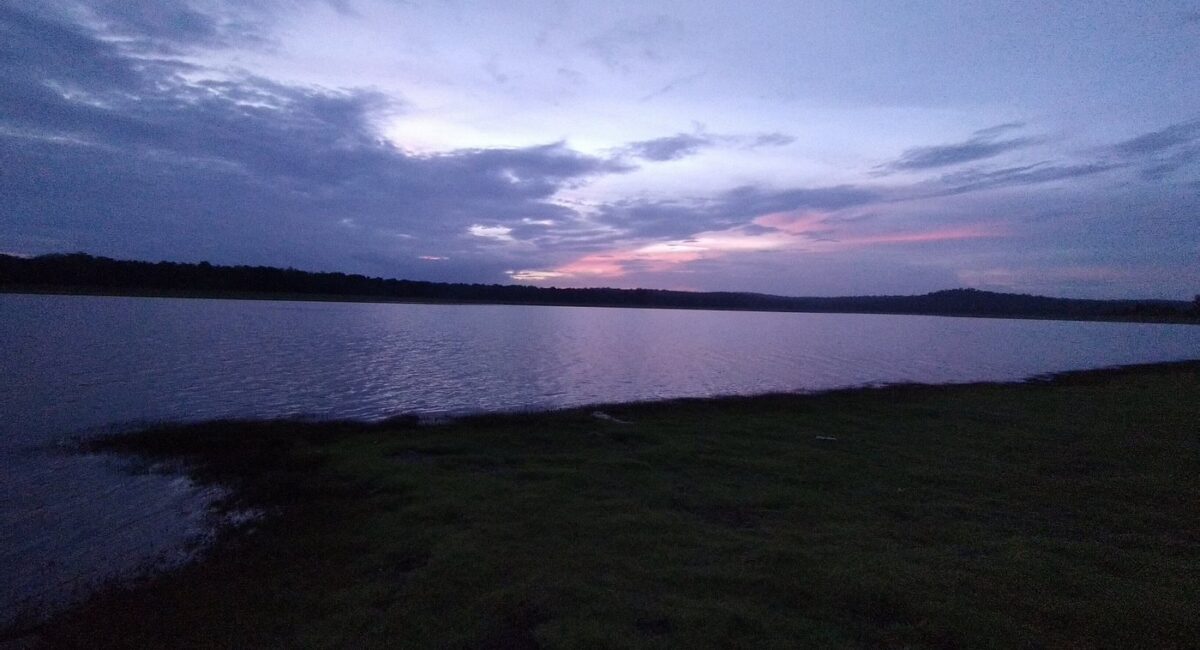
The Kabini River

The Kabini River, locally revered as the Kapila, represents far more than a mere tributary of the Kaveri; it is the pulsating artery of one of the world’s most critical biodiversity hotspots. Flowing through the southern Indian states of Kerala and Karnataka, the Kabini creates a distinct ecological corridor that supports the largest congregation of Asiatic elephants on the planet, hosts a thriving population of tigers and leopards including the globally famous melanistic leopard, Saya and sustains the indigenous cultural fabric of the Jenu Kuruba tribes.
This report serves as a comprehensive, expert-level analysis of the Kabini River system. It dissects the river’s geographical journey from the Pakramthalam hills to its confluence at Tirumakudalu Narasipura; the hydrological and socio-economic impact of the Kabini River Dam; the complex dynamics of its wildlife population; the flourishing eco-tourism industry centered around the Kabini River resort ecosystem; and the critical conservation challenges facing this fragile landscape. The analysis draws upon hydrological data, wildlife census reports, tourism metrics, and geological surveys to present a nuanced understanding of why Kabini in Karnataka has become synonymous with the finest wildlife experiences in Asia.
To the uninitiated, the Kabini is a river; to the naturalist, it is a theatre. The river’s unique characteristic is its transformation during the dry season. As the water levels in the Kabini River Dam reservoir recede between February and May, they reveal vast tracts of lush, alluvial grasslands. These “backwaters” act as a magnet, drawing hundreds of elephants, gaurs, and deer from the parched deciduous forests of Nagarhole and Bandipur, creating a spectacle often compared to the Great Migration of the Serengeti. This phenomenon, combined with the accessibility provided by the Jungle Lodges & Resorts (JLR) and luxury private properties, has positioned the Kabini River as the premier wildlife destination in South India.
This document is structured to serve professional peers in ecology, hydrology, regional planning, and tourism management, offering deep-dive insights into the mechanisms that sustain this unique environment.
Geological and Hydrological Genesis
Origins and the Wayanad Catchment
The genesis of the Kabini River lies in the verdant, mist-laden slopes of the Pakramthalam hills within the Wayanad District of Kerala. This region, part of the Western Ghats a UNESCO World Heritage site serves as the primary catchment area. Unlike rivers that begin as a singular glacial trickle, the Kabini is born of a convergence. It comes into existence at the confluence of two primary headstreams: the Panamaram River and the Mananthavady River.
The geological composition of the Wayanad plateau, characterized by archaean metamorphic rocks and lateritic soil, plays a crucial role in the river’s chemistry and sediment load. The heavy monsoon rainfall in this region, often exceeding 3,000 mm annually, is filtered through the shola forests, ensuring that the Kabini begins its journey as a nutrient-rich, perennial water source.
The Kuruva Island Phenomenon
Approximately two kilometers downstream from the confluence of the Panamaram, the river creates a unique geographical feature known as Kuruva Island (Kuruvadweep). This 520-acre uninhabited island cluster is a protected river delta, a labyrinth of braided streams and islets formed by the river’s depositional dynamics. Ecologically, Kuruva Island acts as a natural riparian buffer, slowing the river’s velocity and allowing for the proliferation of unique flora, including rare orchids and medicinal herbs found nowhere else in the basin.
The Course: From Kerala to Karnataka
As the river progresses eastward, leaving the high altitudes of Kerala and entering the Heggadadevanakote (H.D. Kote) taluk of the Mysuru district in Karnataka, the topography shifts. The steep gradients of the Ghats give way to the gentler slopes of the Mysore Plateau. It is here that the river transforms from a rushing mountain stream into the broad, meandering life-force known as the Kapila.
Tributary Systems
The Kabini River does not flow alone; it is bolstered by several significant tributaries that expand its basin and influence its hydrological character:
- The Kalindi River: Originating from the Brahmagiri hills, the Kalindi is a crucial feeder stream. Before joining the Kabini, it receives the Papanasini rivulet near the ancient Thirunelli Temple. This addition is significant not just hydrologically but culturally, as the Papanasini is believed to wash away sins, adding a layer of spiritual significance to the water’s journey.
- The Taraka and Nugu Rivers: These are two smaller but vital rivers in the H.D. Kote taluk that join the Kabini downstream of the reservoir. The Nugu, in particular, has its own dam and wildlife sanctuary, but ecologically, it functions as an extension of the Kabini landscape, contributing to the reservoir’s inflow and supporting the agricultural belts of the region.
Confluence and The Kaveri Connection
The river’s course is inextricably linked to the Kaveri River system. After a journey that irrigates thousands of acres and quenches the thirst of wildlife and humans alike, the Kabini meets the Kaveri at Tirumakudalu Narasipura (T. Narasipura) in Karnataka. This confluence is considered a Triveni Sangama (though the third river is mythical or subterranean in some legends, scientifically it is a major dual confluence), a site of immense religious sanctity where the Kumbhamela is held.
The hydrological significance of this confluence cannot be overstated. The Kabini is a major contributor to the Kaveri’s volume, especially during the southwest monsoon when the Wayanad catchment receives significantly more rain than the Kaveri’s Kodagu catchment. Thus, the flow of the Kabini is a critical determinant for the water security of the Cauvery basin, influencing water sharing between Karnataka and Tamil Nadu.
Table 1: Hydrological Profile of the Kabini River
| Feature | Description | Implications |
| Origin | Confluence of Panamaram & Mananthavady | High rainfall catchment ensures perennial flow. |
| Primary State Flow | Kerala, Karnataka | Interstate water management complexities. |
| Major Tributaries | Kalindi, Taraka, Nugu | Diverse sediment and nutrient inputs. |
| Confluence | Joins Kaveri River at T. Narasipura | Critical boost to Kaveri’s volume for downstream states. |
| Basin Type | Part of the Cauvery Basin | Integral to the Nilgiri Biosphere hydrology. |
| Primary Regulation | Kabini River Dam at Beechanahally | Controls flood cycles and backwater ecology. |
The Kabini Dam – Engineering and Ecological Transformation
Construction History and Purpose
The Kabini River Dam, a masonry gravity structure, was commissioned and constructed in 1974 near the village of Beechanahally in the Heggadadevanakote taluk. Built across the Kabini River, the dam is a massive engineering feat, measuring 2,284 feet (696 meters) in length.
The primary objectives of the dam were twofold:
- Irrigation and Agriculture: To provide water for agriculture in the rain-shadow regions of Mysore and surrounding districts. The reservoir serves the needs of approximately 22 villages and irrigates over 113,000 acres of land, transforming the agrarian economy of H.D. Kote from subsistence farming to cash crops.
- Strategic Water Security: It acts as a critical upstream storage facility for the Cauvery basin, playing a pivotal role in the water-sharing arrangements between Karnataka and Tamil Nadu. The dam’s storage helps regulate the flow into the Kaveri, especially during lean years, acting as a buffer against drought.
The Submersion and Displacement
The creation of the reservoir had profound geographical and social consequences that resonate to this day. The dam submerged large tracts of forest and arable land, along with several villages and ancient temples.
- The Mastigudi Temple: A historic shrine dedicated to the elephant god, the Mastigudi temple remains submerged for most of the year. It resurfaces only when water levels drop drastically during peak summer a haunting reminder of the human and cultural cost of development. The surfacing of the temple is often used by locals as a benchmark for the severity of the drought.
- Social Displacement: The project necessitated the relocation of several settlements, including significant populations of the Jenu Kuruba and Betta Kuruba tribes. This displacement shifted their lifestyle from forest-dependent hunter-gatherers to settled agricultural laborers, a transition that has had lasting socio-economic impacts.
The “Backwater” Phenomenon: An Unintended Ecological Boon
While the dam was built for utility, its most significant byproduct was the creation of the Kabini Backwaters. The reservoir has a gross storage capacity of 19.52 TMC, though siltation has reduced this over time.
The ecological magic occurs due to the operational schedule of the dam.
- The Cycle: During the monsoon (June-September), the reservoir fills to capacity, submerging the banks. As summer approaches (February-May), water is released for irrigation downstream.
- The Transformation: As the water level recedes, it exposes vast tracts of the riverbed. This silt-rich, fertile alluvial soil is immediately colonized by fresh, tender grass.
- The Magnetism: In the peak of summer, when the deciduous forests of Nagarhole and Bandipur are stripped of foliage and water sources dry up, these “lawns” of fresh grass and the perennial water of the reservoir act as an irresistible lure. This forces a mass migration of herbivores—elephants, chital, sambar, and gaur out of the forest cover and onto the open banks.1
This phenomenon creates an “open classroom” for wildlife observation. Unlike the dense jungle where visibility is limited to a few meters, the backwaters offer unobstructed views of kilometers of riverbank, allowing for the observation of large herds and predator-prey interactions that would otherwise remain hidden.
Dam Safety and Recent Trends
Recent reports from 2024 and 2025 indicate that the Kabini River Dam remains structurally sound despite facing heavy inflows during extreme weather events. The Cauvery Neeravari Nigama Ltd (CNNL) actively monitors the dam’s safety, ruling out threats even during periods of high discharge. The structure features an overflow spillway with four radial gates spanning 76 meters, designed to manage the torrential inflows from the Wayanad catchment area during the southwest monsoon. However, the issue of silt accumulation remains a long-term challenge, reducing the effective storage capacity and potentially altering the submersion dynamics of the backwaters in the future.
The Ecological Theatre – Wildlife of Kabini
The ecosystem surrounding the Kabini River is often described as the “Leopard’s Lair” or “Tiger Tank” due to the incredibly high density of these big cats. However, it is the elephant that truly defines the landscape. The region forms the critical buffer zone between the Nagarhole National Park (Rajiv Gandhi National Park) and the Bandipur National Park.
The Great Elephant Gathering
Kabini is the site of one of the largest congregations of Asiatic elephants (Elephas maximus) in the world.
- Social Dynamics: The open banks of the Kabini allow for the observation of complex social structures. Matriarchs lead herds comprising sisters, daughters, and calves down to the water. The interactions are vivid: calves playing in the mud, sub-adult males sparring to test their strength, and the collective defense mechanisms adopted when predators are near.
- Numbers: It is not uncommon to witness several hundred elephants in a single boat safari during April and May. The sheer biomass of elephants supported by the backwater grasslands is a testament to the productivity of this artificial-natural hybrid ecosystem.
- Human-Elephant Coexistence: The river also serves as a boundary with human settlements. The “Elephant Proof Trenches” (EPT) and solar fences are visible in some areas, highlighting the constant struggle to manage conflict in this high-density zone.
The Big Cat Dynamics
The Tigers of Kabini (Panthera tigris)
The region has a high tiger density, comparable to the famous reserves of Central India. The abundance of prey Chital (Spotted Deer), Sambar, and Wild Boar supports a healthy population of apex predators.
- Territorial Lineages: Naturalists and regular visitors have documented specific tiger families over years. The “Backwater Family” is particularly famous. The “Backwater Female,” a dominant tigress, established her territory along the river banks, a prime real estate ensuring constant access to water and prey. Her lineage continues to dominate this zone, often seen cooling off in the water or stalking deer on the grassy verge.
- Behavioral Adaptation: The tigers of Kabini have adapted to the presence of safari vehicles and boats. They are often seen walking on the safari tracks (the “Russell Line” is a famous tiger-spotting road) or resting on the banks, unfazed by the distant hum of boat engines.
The Leopards (Panthera pardus)
Historically, before the tiger population rebounded to its current levels, Kabini was known as “Leopard Country.” The riverine forest, with its ancient trees and dense canopy, provides the perfect arboreal habitat for leopards.
- Tree Dwellers: Unlike in African savannas where they might hide in tall grass, Kabini leopards are frequently spotted draped over the moss-covered branches of trees, using the vertical space to avoid tigers and dholes.
- The Black Panther (Saya): The most famous resident of Kabini in recent years has been “Saya,” a melanistic leopard.
- The Phenomenon: Melanism is a genetic mutation causing an excess of black pigment, but the animal’s rosettes are still visible under certain light. While not a separate species, Saya’s presence turned Kabini in Karnataka into a global sensation.
- Behavior: Saya was unique for his boldness. Unlike most melanistic leopards which are shy and nocturnal, he held a prime tourism zone territory and was often seen with his spotted mate, Cleopatra. This “Jungle Book” reality drew photographers from around the world.
- Current Status (2025): Reports suggest Saya’s sightings have become sporadic, possibly due to age or displacement by younger males, but the genetic trait persists in the population, with new melanistic cubs reported in the broader landscape.
Avian Diversity: A Birder’s Paradise
The Kabini River backwaters host over 250 species of birds, making it a critical area for ornithology.
- Raptors: The river is the domain of the Osprey and the Grey-headed Fish Eagle. These raptors are often seen perched on the dead stumps of submerged trees remnants of the forest that existed before the dam scanning the water for fish.
- Water Birds: In winter, the reservoir attracts migratory species like Bar-headed Geese. Resident populations of Painted Storks, Woolly-necked Storks, River Terns, and Great Cormorants thrive here. The mudbanks provide feeding grounds for waders like sandpipers and plovers.
- Forest Birds: The fringes of the forest host Malabar Pied Hornbills, Malabar Trogons, and woodpeckers, adding a splash of color to the green canopy.
3.4 Reptiles and Aquatic Life
- Mugger Crocodiles: The Kabini is home to a significant population of Mugger crocodiles. They are frequently seen basking on the mudbanks to regulate their body temperature. The co-existence of crocodiles and elephants in the water is a fascinating aspect of the river’s ecology.
- Smooth-coated Otters: These playful aquatic predators are indicators of a healthy fish population. Family groups (romps) are often seen fishing cooperatively or grooming on the rocks.
The Tourism Ecosystem – Resorts and Economics
The tourism infrastructure in Kabini is arguably the most developed and well-regulated in Karnataka’s wildlife circuit. It operates on a specific model that blends government control with private luxury.
Jungle Lodges & Resorts (JLR) – The Anchor
The Kabini River Lodge, operated by the Karnataka government, is the pivot around which Kabini tourism revolves. Located in Karapura, this property was once the hunting lodge of the Maharaja of Mysore and the Viceroy.
- The JLR Model: JLR holds a monopoly on the prime safari slots. The “Kabini Model” of tourism dictates that safari access is prioritized for guests of JLR. The package here is all-inclusive: accommodation, all meals, and two safaris per day (one boat, one jeep).
- Exclusivity: This guarantees that JLR guests have the best access to the forest. The lodge retains a colonial, rustic charm with its “Gol Ghar” (circular dining area) serving as the communal hub for naturalists and guests.
- Pricing: As of 2025, packages range from ₹12,000 to over ₹18,000 per person per night, positioning it as a premium government offering.
The Private Luxury Sector: Kabini River Resort Landscape
Several high-end private resorts operate on the periphery of the park. These properties focus on “lifestyle” tourism spas, private pools, and fine dining while facilitating safaris through JLR or the forest department.
- The Serai Kabini: Owned by the Coffee Day group, The Serai focuses on “luxury in the wild.” It features waterfront villas and residences, a high-end spa (Oma), and emphasizes experiences like romantic dinners and kayaking. It is priced upwards of ₹22,000 per night.
- Evolve Back (formerly Orange County): This resort is inspired by the local Kadu Kuruba tribal architecture (Hadis). It offers extreme luxury with private pools in every hut and vast courtyards. It is priced at the top end of the market (₹30,000+ per night) and positions itself on “responsible luxury”.
- Red Earth: Known for its eco-friendly ethos and red-mud vernacular architecture. It appeals to those looking for a down-to-earth yet comfortable vibe, focusing on cultural integration.
- Kaav Safari Lodge: A boutique luxury lodge offering a more intimate experience with fewer rooms and personalized service, located on the edge of the forest.
Budget and Mid-Range Options
“Budget” is a relative term in Kabini. True low-cost backpacking options are scarce near the resort cluster.
- Kabini Lake View Resort: A more affordable option that offers access to the backwaters and can arrange safaris.
- Homestays: Various farmstays and smaller lodges in H.D. Kote or near the Antharasanthe gate offer rooms in the range of ₹3,000 – ₹7,000. However, guests here must rely on the limited “Dammanakatte” forest department safari gates for entry, which can be difficult to secure.6
Comparative Analysis of Kabini Accommodation
| Resort | Category | Primary Appeal | Safari Access | Approx. Price (INR) |
| Kabini River Lodge (JLR) | Heritage/Govt | Guaranteed Jeep Safaris, Historical significance | Direct & Priority | ₹17,000+ (All incl.) |
| Evolve Back | Ultra-Luxury | Tribal Architecture, Private Pools, “Spirit of Kabini” cultural shows | Via JLR / Private Boat | ₹31,000+ |
| The Serai | Luxury | Waterfront Views, Spa, Kayaking | Via JLR | ₹22,000+ |
| Red Earth | Eco-Luxury | Mud Architecture, Cultural focus | Via JLR | ₹15,000+ |
| Kabini Lake View | Mid-Range | Budget-friendly, Backwater access | Dammanakatte Gate | ₹7,000+ |
The Safari Experience and Logistics
Safari Zones: Decoding the Geography
The tourism zone of Nagarhole (Kabini side) is strictly regulated and divided into two routes.
- Zone A: This zone is predominantly forest track, passing through teak plantations and dense undergrowth. It is famous for tiger sightings and is the traditional territory of the Black Panther. It offers a “deep jungle” feel.
- Zone B: This zone hugs the backwaters. While it has forest tracks, its highlight is the open views of the reservoir. This is the best place to see elephant herds, gaurs, and open grassland fauna.
- Allocation: Vehicles are allocated zones by the forest department on a roster basis to prevent overcrowding. Guests cannot usually “choose” their zone, though requests can sometimes be accommodated.
Vehicle Types: Jeep vs. Canter vs. Boat
- Jeep (Gypsy): Seats 6. Agile, quiet, and capable of navigating narrow fire lines. These are exclusive to JLR and a few high-end resorts (via JLR). They come with a driver and a naturalist. This is the gold standard for photographers.
- Canter (Bus): Seats 18-20. Higher vantage point (good for spotting tigers in tall grass) but noisier and restricted to wider roads. This is the standard option for government ticket holders booked via the Dammanakatte gate.
- Boat Safari: Unique to Kabini (and unlike Bandipur), the boat safari is a serene way to view wildlife. Operated by JLR and the Forest Department, these motorboats cruise the reservoir.
- Highlights: Viewing elephants bathing, crocodiles sunning, and birds nesting. It offers a landscape perspective that land safaris cannot match.
- Photography: The boat offers a low angle and steady platform, excellent for photographing elephants and water birds at eye level.
Booking Nuances
Booking a safari in Kabini in Karnataka can be confusing for first-timers.
- JLR Guests: Safari is included in the tariff. No separate booking is needed. This is the most hassle-free option.
- Private Resort Guests: Must request the resort to book a slot with JLR (often at a premium) or rely on the forest department quota.
- Day Visitors / Budget Travelers: Can attempt to book tickets at the Dammanakatte gate or online via the Nagarhole Tiger Reserve website. However, slots are limited and demand is extremely high. Online booking in advance is highly recommended.
Cultural Heritage – The Jenu Kuruba
The human history of the Kabini River is as rich as its natural history. The indigenous inhabitants of these forests are the Jenu Kurubas (literally “Honey Shepherds”).
- Traditional Lifestyle: Historically, they lived in the interior forests, practicing honey gathering, shifting cultivation, and acting as the guardians of the woods. Their knowledge of the forest is encyclopedic; they can track animals by scent and sound in ways that modern science struggles to replicate.
- Impact of the Dam: The construction of the Kabini River Dam in the 1970s and the subsequent tightening of wildlife protection laws (Wildlife Protection Act, 1972) led to the massive displacement of tribal families. They were moved to resettlement colonies on the fringes of the forest.
- Current Status: This transition from independent forest dwellers to wage laborers has been fraught with challenges. However, the Jenu Kurubas remain integral to the forest’s management. Many work as anti-poaching watchers, naturalists, and boatmen for the tourism department. Their ability to spot wildlife is legendary and is a key part of the guest experience at JLR.
- Cultural Tourism: Resorts like Evolve Back have attempted to integrate this heritage into their offering, organizing “Tribal Village Visits” and evening dance performances. While this provides economic support, the balance between respectful representation and cultural commodification remains a delicate topic.
Culinary Landscape and Local Flavors
The region around H.D. Kote and the Kabini basin offers a distinct culinary experience that blends the flavors of the Mysore plateau with the spicy, rustic notes of the borderlands.
- Ragi Mudde: The staple of the region. Dense balls of finger millet flour, eaten with spicy chicken curry (Koli Saaru) or greens (Soppu Saaru). It is a powerhouse of nutrition, fueling the farmers and forest staff.
- Jolada Rotti: Sorghum bread, typical of North Karnataka but prevalent here due to migration, often served with Ennegai (stuffed brinjal curry).
- Pandi Curry: Due to the proximity to Kodagu (Coorg), the famous Coorgi Pork Curry (Pandi Curry) is often found in local homestays and resorts, characterized by the dark, tart vinegar Kachampuli.
- Freshwater Fish: The reservoir yields fresh fish (like Rohu and Katla), which are fried in a spicy semolina coating (Rava Fry) or made into a tangy curry, a delicacy in the local “military hotels” (small non-veg eateries).
Future Outlook and Conservation Challenges
The Kabini ecosystem faces significant pressures.
- Invasive Species: The invasive weed Lantana camara threatens the native grasslands, potentially reducing the fodder available for herbivores. This forces animals to move further in search of food, increasing conflict.
- Tourism Pressure: The high density of tourist vehicles in Zone A has led to calls for stricter regulation to prevent animal stress. The “chasing” of the Black Panther by dozens of jeeps has been a point of contention among conservationists.
- Water Security: Studies indicate that 70% of natural springs in the river’s source region (Wayanad) have disappeared due to land-use changes. Siltation in the dam is reducing its capacity, which could alter the delicate “drying and filling” cycle of the reservoir that the elephants rely on.
- Climate Change: Erratic monsoon patterns affect the water levels. If the reservoir does not recede enough in summer, the grasslands do not form, and the elephant congregation is disrupted. Conversely, if it dries too much, water scarcity becomes an issue.
Despite these challenges, Kabini remains a beacon of conservation success. The tiger numbers are stable, and the rigid protection provided by the Karnataka Forest Department ensures that the core areas remain inviolate.
Conclusion
The Kabini River is a landscape of contrasts: it is a life-giving water source and a barrier; a site of ancient tribal heritage and modern luxury tourism; a place of calm backwaters and violent predator-prey struggles. It is a testament to the resilience of nature when given a chance. The dam, built to water the fields of farmers, inadvertently created a sanctuary for giants. Today, Kabini stands as a model for how tourism can fund conservation, with the vigilant eyes of hundreds of tourists and guides acting as a deterrent to poaching.
For the traveler, Kabini offers a rare privilege: the chance to step back into a world where humans are mere spectators, and the rhythm of life is dictated by the flow of the Kapila and the roar of the tiger. Whether one seeks the elusive gaze of a black panther, the rumble of an elephant herd, or simply the peace of a coracle ride at sunset, the Kabini delivers an experience that is primal, profound, and unforgettable.

Leave a Comment