
Godavari River: The Complete Guide to the “Dakshin Ganga” (Origin, Map, & Tributaries)
Godavari River : Dakshin Ganga
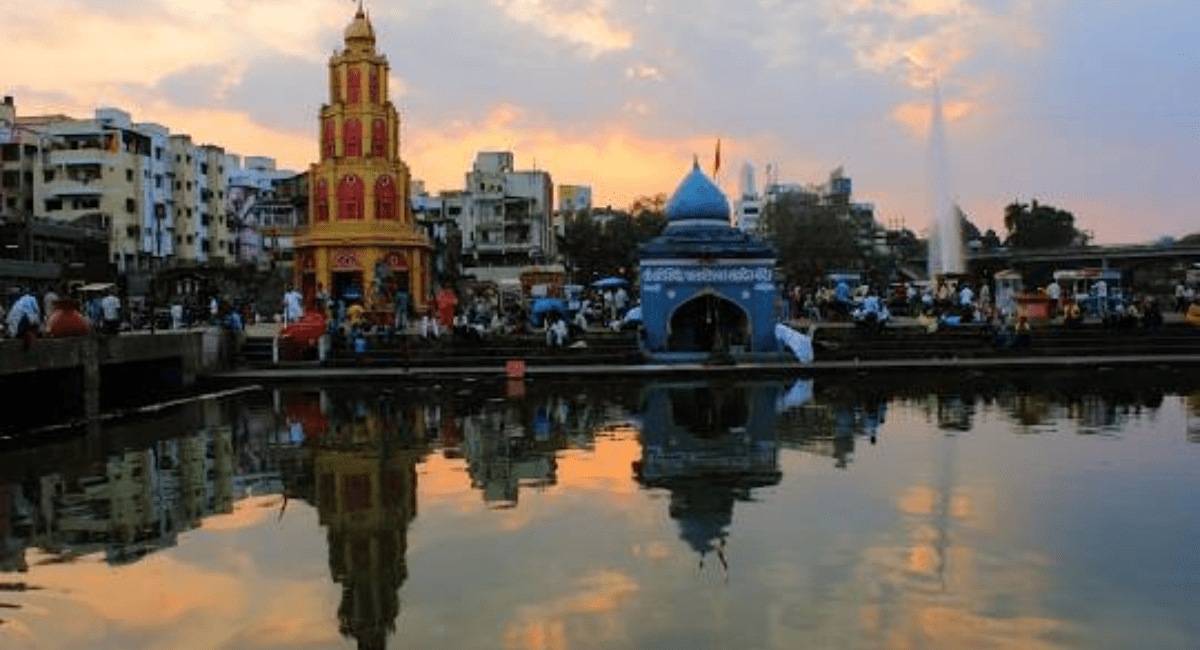
The Godavari River, often revered as the Dakshin Ganga (Ganges of the South), is not just a water body; it is the lifeline of Central and Southern India. As the second-longest river in India after the Ganga, it courses through a rich tapestry of culture, history, and geography, sustaining millions of lives across Maharashtra, Telangana, Andhra Pradesh, Chhattisgarh, and Odisha.
This comprehensive guide covers everything you need to know about the Godavari River from its origin and tributaries to its religious significance and major dams.
Godavari River at a Glance: Key Facts
For quick reference and competitive exam preparation.
| Feature | Details |
| Other Names | Dakshin Ganga, Vridha Ganga (Old Ganga) |
| Total Length | 1,465 km (910 miles) |
| Origin | Brahmagiri Mountains, Trimbakeshwar (near Nashik, Maharashtra) |
| Mouth | Bay of Bengal (near Antarvedi, Andhra Pradesh) |
| Major Basin States | Maharashtra (48.6%), Telangana (18.8%), Andhra Pradesh (4.5%), Chhattisgarh (10.9%), Odisha (5.7%) |
| Drainage Area | ~312,812 sq. km (Third largest in India) |
| Major Dams | Jayakwadi, Sriram Sagar, Polavaram, Kaleshwaram |
Origin and Course of the Godavari River
The journey of the Godavari begins in the mystical ranges of the Western Ghats.
Where Does the Godavari River Originate?
The river rises at an elevation of 1,067 meters on the Brahmagiri hills near Trimbakeshwar in the Nashik district of Maharashtra. This spot is approximately 80 km from the Arabian Sea, yet the river flows eastwards, traversing the entire Peninsular India to empty into the Bay of Bengal.
The Course: From Nashik to the Bay of Bengal
- Maharashtra: It flows east across the Deccan Plateau, widening as it passes through Nashik and enters the Marathwada region.
- Telangana & Borderlands: It enters Telangana at Kandakurthy in Nizamabad district. Here, it forms a natural boundary between Telangana and Maharashtra, and later between Telangana and Chhattisgarh.
- The Eastern Ghats: The river cuts through the Papikondalu hill range, creating a breathtaking gorge that is a major tourist attraction.
- The Delta: Before reaching the sea, the river splits into two main distributaries at Rajahmundry (Dowleswaram Barrage): the Gautami and the Vashista. These further split, forming a massive, fertile delta before merging into the Bay of Bengal.
Godavari River Map and Tributaries
The Godavari basin is immense, supported by a vast network of tributaries. Understanding these is crucial for geography students and travelers alike.
Left Bank Tributaries (The Major Contributors)
These rivers join the Godavari from the north and contribute nearly 59.7% of the total water flow.
- Pranahita: The largest tributary, conveying the combined waters of the Penganga, Wardha, and Wainganga rivers. It covers about 34% of the basin.
- Indravati: Known as the lifeline of the Bastar district in Chhattisgarh.
- Sabari: The last major tributary to join before the river enters the hills.
- Purna: Originates in the Ajanta Range.
Right Bank Tributaries
These rivers originate from the Balaghat range and usually carry less water compared to the left-bank rivers.
- Pravara: The smallest of the major tributaries.
- Manjira: The longest tributary on the right bank, holding the Nizam Sagar reservoir.
- Manair: Joins in Telangana.
Major Dams and Irrigation Projects
The Godavari basin has the highest number of dams in India, making it critical for agriculture and power generation.
Key Projects
- Jayakwadi Dam (Paithan, Maharashtra): One of the largest earthen dams in Asia, forming the Nath Sagar reservoir. It is vital for the drought-prone Marathwada region.
- Sriram Sagar Project (Telangana): Located in the Nizamabad district, this “lifeline of Telangana” irrigates lakhs of acres.
- Kaleshwaram Lift Irrigation Project (Telangana): Often cited as the world’s largest multi-stage lift irrigation project, it redirects water to thirsty uplands.
- Polavaram Project (Andhra Pradesh): A massive under-construction multi-purpose national project that aims to link the Godavari with the Krishna river to drought-proof the region.
- Dowleswaram Barrage (Andhra Pradesh): Built by Sir Arthur Cotton in the mid-19th century, this historic barrage manages the river’s flow into the fertile delta.
Religious Significance and Tourism
The Godavari is one of the seven sacred rivers in Hinduism (Sapta Sindhu). A dip in its holy waters is believed to wash away sins.
Kumbh Mela and Pushkaralu
- Kumbh Mela: Held every 12 years at Nashik-Trimbakeshwar, drawing millions of pilgrims. The Simhastha Kumbh Mela is a spectacle of faith.
- Godavari Pushkaralu: A festival celebrated every 12 years along the river’s banks in Telangana and Andhra Pradesh, worshipping the river goddess.
Famous Temples & Tourist Spots
- Trimbakeshwar Jyotirlinga (Maharashtra): One of the 12 Jyotirlingas, located at the river’s source.
- Takhat Sachkhand Sri Hazur Abchalnagar Sahib (Nanded): A pivotal Sikh pilgrimage site where Guru Gobind Singh Ji held his final congregation.
- Bhadrachalam Temple (Telangana): A famous Lord Rama temple, often called the “Ayodhya of the South.”
- Papikondalu (Andhra Pradesh): A scenic hill range where tourists enjoy river cruises through narrow gorges.
- Panchavati (Nashik): The place where Lord Rama, Sita, and Lakshmana are believed to have stayed during their exile.
Frequently Asked Questions (FAQ)
Q: Why is Godavari called the Dakshin Ganga?
A: It is called “Dakshin Ganga” (Ganges of the South) because of its length, vast catchment area, and spiritual significance, which parallels that of the River Ganga in the North.
Q: Which is the largest tributary of the Godavari River?
A: The Pranahita is the largest tributary, formed by the confluence of the Wardha, Penganga, and Wainganga rivers.
Q: Through which states does the Godavari flow?
A: The main river flows through Maharashtra, Telangana, and Andhra Pradesh, eventually touching the border of Chhattisgarh and draining parts of Odisha and Madhya Pradesh through its tributaries.
Q: Is the Godavari River perennial?
A: The Godavari is largely a seasonal river. It swells during the monsoons (June to September) but often dries up or reduces to a trickle in its upper reaches during the summer.
Questions
- The Godavari River is often referred to as ‘Dakshin Ganga’. What is the primary reason for this comparison?
- It merges with the Ganga underground near Allahabad.
- It shares similar length, catchment area significance, and spiritual importance to the Ganga.
- It is the only river in South India that originates in the Himalayas.
- It flows in the exact opposite direction to the Ganga.
Please comment your answer
This comprehensive guide aims to be the ultimate resource for the Godavari River. For more insights on Indian rivers and culture, explore our other articles on Kirtankar.com.
Leave a Comment