
Vontimitta Temple – A Timeless Marvel of Devotion, Architecture & Heritage
Nestled in the serene landscapes of Andhra Pradesh, the Vontimitta Temple also known as the Kodanda Rama Swamy Temple stands as one of the most magnificent architectural and spiritual landmarks of South India. With its grand stone carvings, ancient cultural roots, and rich religious significance, this temple attracts thousands of devotees and heritage lovers every year. From the fascinating legends woven into its origin to the rhythmic chants that echo through its stone corridors, Vontimitta Temple reflects centuries of devotion, artistic mastery, and historical evolution.
Whether you are a pilgrim seeking divine blessings, a lover of ancient art, or a traveler exploring India’s sacred destinations, the Vontimitta Temple offers a captivating and unforgettable experience. This detailed guide helps you explore its history, structure, rituals, festivals, Vontimitta Temple timings, how to reach, and Vontimitta Temple accommodation options, making it perfect for planning your visit.
Introduction to Vontimitta Temple
The Vontimitta Temple is a celebrated Hindu shrine dedicated to Lord Rama, located in Vontimitta town in the Kadapa district of Andhra Pradesh. Its official name, the Kodanda Rama Swamy Temple, refers to Lord Rama holding the Kodanda bow symbolizing strength, righteousness, and divine purpose.
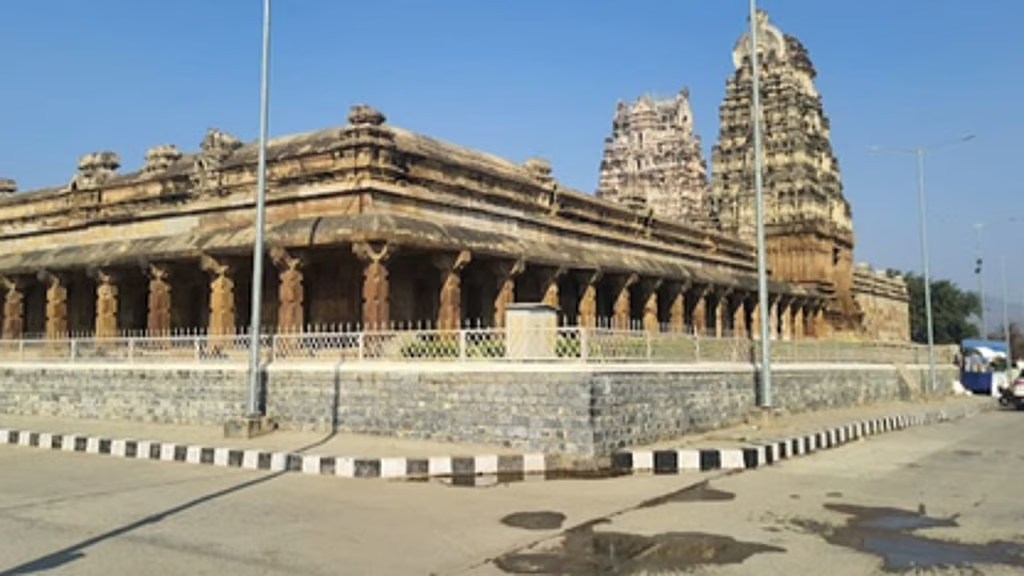
Built entirely of stone, the temple is known for its intricate carvings, majestic pillars, detailed sculptures, and unparalleled architectural excellence. It represents the Vijayanagara style of temple architecture, characterized by the use of large granite blocks and spectacular gopurams.
Vontimitta Temple is not just a place of worship; it is a monumental work of art, a symbol of devotion preserved through centuries, and a significant chapter in South India’s cultural and literary heritage.
Vontimitta Temple History – A Glorious Journey Through Time
The Vontimitta Temple history is a blend of verified facts, ancient inscriptions, oral stories, and literary mentions. Understanding its evolution reveals the depth of cultural and architectural brilliance that shaped this sacred space.
Origins & Construction
Historians believe that the Vontimitta Temple was constructed during the 16th century by the rulers of the Vijayanagara Empire. The architecture shows a strong resemblance to the iconic structures built during the reign of Krishna Deva Raya and other powerful rulers of the empire.
Several stone inscriptions found on temple premises mention contributions from regional kings, chieftains, merchants, and devotees, showing how the temple played a significant social, cultural, and religious role in the region.
Legends Behind the Temple
Local legends add a mystical charm to the temple’s past. One popular story says that two robbers named Vontudu and Mittudu built the temple after being blessed by Lord Rama. After completing the temple, they dedicated their lives to the Lord and turned into stone—hence the village got its name Vontimitta.
Another legend says that the temple was built overnight by angels, highlighting the divine intervention many devotees believe shaped its form.
Literary Connection – Bammera Pothana & Vontimitta
The famous Telugu poet Bammera Pothana, who wrote the Andhra Maha Bhagavatam, is closely associated with Vontimitta. It is believed he composed significant portions of his masterpiece here while drawing spiritual energy from Lord Rama.
European Travel Accounts
Interestingly, European travelers from the 17th century, including Jean-Baptiste Tavernier, mentioned Vontimitta Temple in their travel accounts, praising its grandeur and engineering. This is evidence of its long-standing fame.
Architecture of Vontimitta Temple – The Grandeur of Vijayanagara Style
The Kodanda Rama Swamy Temple is considered the largest temple in Andhra Pradesh built without the use of wood or brick—only stone. Every corner of the temple showcases extraordinary craftsmanship, making it a visual treat for historians, architects, and photography enthusiasts.
1. The Majestic Entrance (Gopuram)
Though the gopuram is partially damaged today, its remnants show the original splendor. The towering structure with intricate carvings would have once served as a beacon guiding devotees.
2. Prakaram (Temple Courtyard)
The large courtyard is lined with mandapams that host rituals and festivals. The open space allows natural light to illuminate the temple beautifully during sunrise and sunset.
3. Garbha Griha (Sanctum Sanctorum)
The sanctum houses the stunning idol of Lord Rama, along with Sita and Lakshmana. The uniqueness lies in the presence of a single stone used to carve these three figures—a rare artistic achievement.
- Rama stands gracefully with the Kodanda bow.
- Sita stands to his right in a serene posture.
- Lakshmana stands faithfully by his side.
This sculpture is considered one of the finest stone representations of the divine trio.
4. Mandapams & Pillars
The Maha Mandapam is supported by intricately carved pillars representing mythological scenes, celestial beings, flowers, animals, and dancers. The symmetry and detail reflect the pinnacle of Vijayanagara art.
5. Sculptural Brilliance
Some pillars feature:
- Episodes from the Ramayana
- Symbols of protection and prosperity
- Depictions of dancers and warriors
- Floral and geometrical patterns
- Carvings of deities and guardians
Each sculpture tells a story, making the temple a living museum of ancient Indian art.
Religious Importance of Kodanda Rama Swamy Temple
The temple is not only a historical marvel but also a deeply revered spiritual destination. Devotees believe that Lord Rama showers blessings on those who visit Vontimitta with pure intentions.
Rama Navami Brahmotsavam
The Rama Navami festival at Vontimitta is world-famous. Traditionally, the poet-saint Annamacharya and later Tyagaraja were associated with celebrations of Lord Rama. The Andhra Pradesh government conducts the official State Rama Navami celebrations here.
The highlight of the festival is the Sita Rama Kalyanam, attracting devotees from across India.
Daily Puja Rituals
Several daily rituals such as Suprabhatam, Archana, Alankaram, and Harathi are performed with devotion and vibrant energy.
Vontimitta Temple Timings
Understanding Vontimitta Temple timings helps you plan your visit comfortably.
General Temple Timings
- Morning: 5:30 AM – 1:00 PM
- Evening: 2:00 PM – 8:30 PM
Timings may vary slightly during festivals and special events.
Best Time to Visit
- Early morning for peaceful darshan
- Evening, when the temple glows under soft illumination
- Rama Navami season for grand celebrations
How to Reach Vontimitta Temple
Vontimitta is well connected by road and rail, making travel convenient for pilgrims.
By Road
The temple is located approximately:
- 16 km from Kadapa
- 90 km from Tirupati
- 230 km from Bengaluru
Regular buses and private taxis make the journey easy.
By Train
Vontimitta has its own railway station, just 2–3 km from the temple. Major trains from Tirupati, Chennai, Kadapa, and Guntur pass through here.
By Air
Nearby airports:
- Tirupati International Airport – 90 km
- Kadapa Airport – 25 km
Vontimitta Temple Accommodation – Where to Stay
If you are planning an overnight visit, there are multiple Vontimitta Temple accommodation options suitable for devotees, families, and tourists.
1. Temple Guest Houses
The temple authorities provide simple, clean, and affordable rooms. These are ideal for devotees seeking a peaceful stay near the temple.
2. Hotels in Kadapa
Since Vontimitta is close to Kadapa city, many visitors prefer staying there. Options include:
- Budget hotels
- Mid-range hotels
- Lodges & family suites
These accommodations offer amenities like air conditioning, Wi-Fi, and in-house dining.
3. Hotels in Rajampet
Another convenient location, around 18–20 km from the temple, offering comfortable lodging options.
4. Tirupati Stays
Those visiting as part of a multi-temple pilgrimage often stay in Tirupati and take a day trip to Vontimitta.
Nearby Attractions Around Vontimitta Temple
Your pilgrimage can be combined with sightseeing, as the region features several spiritual and scenic destinations.
Kodanda Ramaswamy Temple, Kadapa
A smaller but equally beautiful temple dedicated to Lord Rama.
Gandikota – The Grand Canyon of India
Just 70–80 km away, Gandikota offers breathtaking views, fort ruins, and adventure.
Pushpagiri Temple
Located along the Pennar River, this ancient temple complex is rich in heritage.
Sri Venkateswara Wildlife Sanctuary
For nature lovers, this sanctuary is a great place to explore wildlife and greenery.
Cultural & Spiritual Experience at Vontimitta
Beyond architecture and rituals, the temple offers a genuinely soulful experience.
The Divine Ambience
The quiet surroundings, rhythmic temple bells, and chants create a deeply spiritual environment that calms the mind and fills the heart with devotion.
Artistic Inspiration
Students of art, sculpture, literature, and photography find endless inspiration here. The temple’s detailed stone carvings serve as a learning hub for researchers.
A Place of Community & Tradition
Vontimitta Temple plays a central role in community gatherings, festivals, charity events, and cultural celebrations, continuing its tradition as a vibrant hub of spiritual life.
Why You Must Visit Vontimitta Temple
- To witness one of the finest stone temples of South India
- To experience the divine aura of Kodanda Rama Swamy Temple
- To explore centuries-old history, art, and sculpture
- To attend the grand Rama Navami Brahmotsavam
- To enjoy a peaceful and spiritually uplifting pilgrimage
Travel Tips for Visiting Vontimitta Temple
1. Dress Modestly
As it is a sacred Hindu temple, traditional or modest clothing is recommended.
2. Check Temple Schedules
Confirm puja timings, special events, and festival dates to avoid rush.
3. Carry Essentials
Water bottles, personal medicines, and basic travel items help ensure a comfortable visit.
4. Respect the Temple Premises
Avoid touching carvings, maintain silence, and follow temple rules.
Conclusion
The Vontimitta Temple, with its breathtaking stone architecture, rich cultural tapestry, deeply rooted spiritual significance, and legendary past, is a place every devotee and traveler should experience at least once. Whether you are captivated by its artistic brilliance or drawn to the divine presence of Lord Rama, the temple offers a journey through history, mythology, devotion, and serenity.
From its sacred rituals to the elaborate festive celebrations, from its ancient origins to its modern-day importance, the Kodanda Rama Swamy Temple remains a symbol of India’s timeless and unbroken cultural heritage. Combined with essential visitor details such as Vontimitta Temple timings and Vontimitta Temple accommodation, this guide serves as your complete resource to experiencing one of Andhra Pradesh’s most cherished temples.
A visit to Vontimitta is more than a pilgrimage it is a spiritual awakening, an artistic revelation, and a walk through centuries of devotion.
FAQs
1: What is the significance of Vontimitta Temple?
Vontimitta Temple is one of Andhra Pradesh’s most iconic Rama temples, known for its all-stone architecture, historical inscriptions, and association with poet Bammera Pothana.
2: What are the Vontimitta Temple timings?
The temple is open from 5:30 AM to 1:00 PM and 2:00 PM to 8:30 PM, though timings may vary on festival days.
3: Is Vontimitta Temple the Kodanda Rama Swamy Temple?
Yes. The temple’s official name is Kodanda Rama Swamy Temple, representing Lord Rama with his Kodanda bow.
4: How old is Vontimitta Temple?
The temple dates back to the 16th century, built in the Vijayanagara architectural style.
5: What are the accommodation options near Vontimitta Temple?
Devotees can stay in temple guest houses, or choose from hotels in Kadapa, Rajampet, or Tirupati.
6: How to reach Vontimitta Temple?
The temple is easily accessible by road, rail (Vontimitta Railway Station), and air (Kadapa or Tirupati airports).
7: Which festival is most popular at Vontimitta Temple?
The Rama Navami Brahmotsavam, featuring Sita Rama Kalyanam, is the biggest and most celebrated festival here.

Leave a Comment