


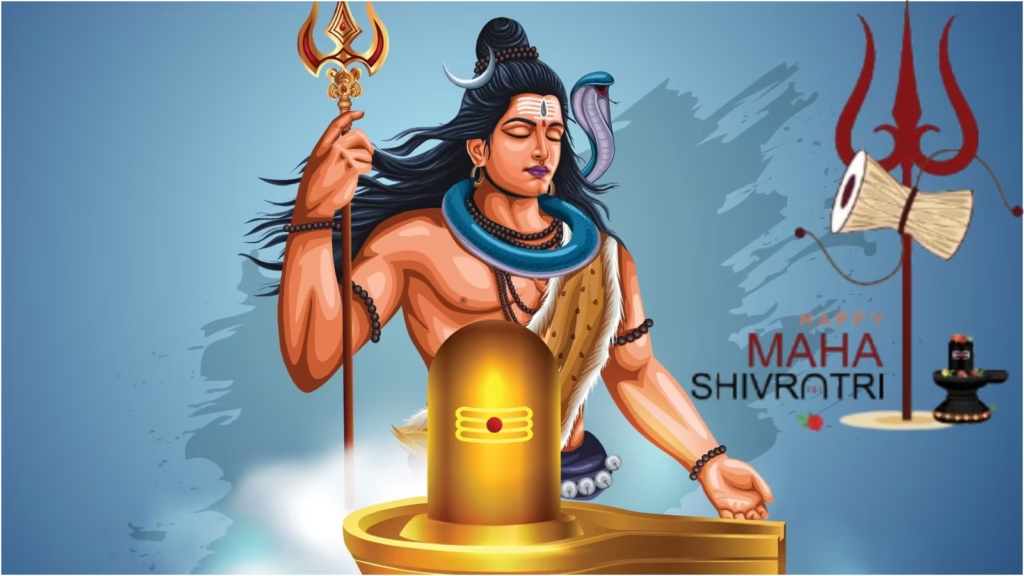
Maha Shivaratri, meaning “The Great Night of Shiva,” stands as one of the most significant Hindu festivals dedicated to Lord Shiva. Celebrated annually across India and by Hindu communities worldwide, this sacred night combines deep spiritual practices with devotional worship. Unlike other Hindu festivals celebrated during daytime, Maha Shivaratri uniquely emphasizes nighttime observance, making it a distinctive spiritual occasion.
Maha Shivaratri 2026 Date and Timing
Maha Shivaratri falls on the 14th night of the dark fortnight (Krishna Paksha) in the Hindu month of Phalguna, typically occurring in February or March. In 2026, Sun, 15 Feb, 2026 devotees should consult the Hindu calendar for the exact date based on lunar calculations.
Key Timing Elements:
- Celebrated on the darkest night of the lunar month
- Four praharas (watches) structure the night vigil
- Puja timings vary by region and local traditions
- Abhishekam performed at specific muhurat times
The Deep Spiritual Significance of Maha Shivaratri
Why is Maha Shivaratri Celebrated? Mythological Stories
The significance of Maha Shivaratri is woven through multiple layers of Hindu mythology:
1. The Cosmic Dance of Shiva (Tandava)
According to sacred texts, Maha Shivaratri commemorates the night when Lord Shiva performed the Tandava the cosmic dance of creation, preservation, and destruction. As Nataraja (Lord of Dance), Shiva’s movements represent the eternal rhythm of the universe. This divine dance symbolizes:
- Creation (Srishti)
- Preservation (Sthiti)
- Destruction (Samhara)
- Concealment (Tirobhava)
- Divine grace (Anugraha)
The Divine Wedding of Shiva and Parvati
Many traditions celebrate Maha Shivaratri as the wedding anniversary of Lord Shiva and Goddess Parvati. This sacred union represents:
- Balance of masculine and feminine energies
- Union of consciousness (Shiva) and energy (Shakti)
- Spiritual harmony and cosmic balance
- The householder ideal combined with asceticism
3. Shiva Saves the World from Poison (Neelkanth Story)
During the Samudra Manthan (churning of the cosmic ocean), deadly halahala poison emerged, threatening all creation. Lord Shiva consumed this poison to save the universe, holding it in his throat, which turned blue. This is why Shiva is called Neelkantha (the blue-throated one). This story symbolizes:
- Supreme sacrifice for universal welfare
- Transformation of negativity
- Divine compassion and protection
- Ability to contain and transform poison (negative qualities)
4. The Story of the Hunter (Accidental Devotion)
A beautiful legend tells of a tribal hunter who unknowingly performed perfect Shivratri worship while hiding in a bel tree from wild animals. Throughout the night, he dropped bel leaves on a Shiva linga below, fasted due to fear, and maintained an all-night vigil. Lord Shiva blessed him despite his unintentional worship, teaching that sincere presence matters more than elaborate rituals.
Astronomical and Yogic Significance of Shivaratri
The timing of Maha Shivaratri holds profound astronomical and spiritual significance:
Lunar Positioning: The near-total darkness symbolizes dissolution of ego and mental turbulence.
Energy Alignment: Yogic traditions believe this night creates natural upward energy flow in the human body, making spiritual practices especially effective.
Seasonal Transition: Occurring just before spring, Shivaratri marks the threshold between winter’s death and spring’s rebirth.
Meditative Benefits: The planetary positions are believed to support deeper meditation and spiritual awakening.
Complete Guide to Maha Shivaratri Rituals and Observances
Shivratri Fasting Rules (Vrat Vidhi)
Fasting on Maha Shivaratri is a central practice with various levels of observance:
Types of Shivratri Fasting:
1. Nirjala Vrat (Strictest Fast)
- Complete abstinence from food and water
- Duration: Approximately 36 hours (sunrise to sunrise)
- Recommended for experienced devotees in good health
- Builds maximum spiritual discipline
2. Phalahar Vrat (Fruit-Based Fast)
- Allows fruits, milk, water, and nuts
- Prohibits grains, vegetables, and cooked food
- Suitable for most devotees
- Maintains energy while practicing restraint
3. Ek Ahar (Single Meal)
- One simple sattvic meal after evening puja
- No grains during fasting hours
- Moderate approach for beginners
- Balances devotion with health needs
Fasting Benefits:
- Purification of body and mind
- Enhanced meditation and concentration
- Self-discipline and willpower development
- Detachment from physical cravings
- Spiritual receptivity
Important Health Considerations:
- Pregnant women should consult doctors
- Diabetics may need to modify fasting
- Children can participate with lighter observances
- Elderly devotees should prioritize health
- Break fast gradually with light foods
Shivratri Puja Vidhi: Step-by-Step Ritual Guide
The Maha Shivaratri puja follows traditional procedures performed through four praharas (watches):
Preparation for Shivratri Puja:
Before Sunrise:
- Take a purifying bath (preferably in sacred rivers)
- Wear clean, preferably white or saffron clothes
- Set up puja area with Shiva linga or picture
- Gather puja materials (listed below)
- Set your sankalpa (spiritual intention)
Essential Puja Items for Shivratri:
- Shiva linga or Shiva image
- Fresh bel (bilva) leaves
- Milk, yogurt, honey, ghee, sugar
- Gangajal (Ganges water) or clean water
- Flowers (especially dhatura and lotus)
- Incense sticks and camphor
- Rudraksha mala
- Fruits for offering
- Coconut
- Rice and barley
- Sandalwood paste
- Vermillion (kumkum)
- Diya (oil lamp)
The Four Praharas (Watches) of Shivratri Night:
First Prahara (Evening: 6 PM – 9 PM)
- Abhishekam (Sacred Bathing) – Pour offerings in this order:
- Water mixed with Gangajal
- Milk (symbolizing purity)
- Yogurt (representing prosperity)
- Ghee (victory and strength)
- Honey (sweet speech and unity)
- Sugar (happiness)
- Rose water (devotion)
- Bel Patra Offering:
- Offer fresh bel leaves in sets of three
- Each three-pointed leaf represents past, present, future
- Chant “Om Namah Shivaya” with each offering
- Flower Decoration:
- Offer white flowers, dhatura, and lotus
- Avoid broken or wilted flowers
- Arrange with devotion
- Aarti and Mantra:
- Light camphor and perform aarti
- Chant Om Namah Shivaya (108 times minimum)
- Recite Shiva Chalisa or Shiva Stotram
Second Prahara (Late Evening: 9 PM – Midnight)
- Repeat abhishekam ceremony
- Continue mantra japa (repetition)
- Read from Shiva Purana
- Sing devotional bhajans
- Meditate on Shiva’s form
Third Prahara (Midnight: 12 AM – 3 AM)
Most spiritually powerful time:
- Perform abhishekam with heightened devotion
- Deep meditation and dhyana
- Chant Maha Mrityunjaya Mantra
- Recite Shiva Tandava Stotram
- Maintain vigilance and awareness
Fourth Prahara (Early Morning: 3 AM – 6 AM)
Final watch before dawn:
- Complete final abhishekam
- Offer remaining flowers and bel leaves
- Perform concluding aarti
- Distribute prasad
- Seek blessings for spiritual growth
Powerful Shivratri Mantras and Their Benefits
1. Panchakshari Mantra (Five-Syllable Mantra)
“Om Namah Shivaya”
Meaning: I bow to Lord Shiva Benefits:
- Purifies mind and soul
- Removes negative karma
- Brings inner peace
- Enhances spiritual awareness
- Protection from negativity
Chanting Practice: Repeat 108, 1008, or unlimited times using rudraksha mala
Maha Mrityunjaya Mantra (Great Death-Conquering Mantra)
“Om Tryambakam Yajamahe, Sugandhim Pushtivardhanam Urvarukamiva Bandhanan, Mrityor Mukshiya Maamritat”
Meaning: We worship the three-eyed one (Shiva) who is fragrant and nourishes all beings. May he liberate us from death for the sake of immortality, even as a cucumber is severed from its bondage to the vine.
Benefits:
- Healing and health
- Protection from accidents and untimely death
- Spiritual liberation
- Mental peace
- Overcoming fear
3. Shiva Gayatri Mantra
“Om Tatpurushaya Vidmahe, Mahadevaya Dhimahi Tanno Rudrah Prachodayat”
Benefits:
- Wisdom and knowledge
- Spiritual enlightenment
- Divine guidance
- Mental clarity
The All-Night Vigil: Staying Awake on Shivaratri
The jaagaran (night vigil) is Maha Shivaratri’s defining feature:
Why Stay Awake?
- Symbolizes consciousness overcoming ignorance
- Demonstrates spiritual discipline
- Aligns with yogic energy peaks
- Shows dedication and devotion
- Creates conditions for spiritual experiences
How to Maintain Vigil:
- Continuous chanting and bhajan singing
- Reading sacred texts (Shiva Purana, Upanishads)
- Group meditation sessions
- Listening to spiritual discourses
- Temple visits through the night
- Devotional dancing and kirtan
- Focusing on Shiva’s divine qualities
Practical Tips for Staying Awake:
- Rest well the previous night
- Stay engaged with activities
- Participate in group worship
- Move around periodically
- Splash water on face when drowsy
- Maintain upright posture
- Focus on spiritual purpose
Regional Maha Shivaratri Celebrations Across India
Shivaratri in Varanasi (Kashi) – The Ultimate Celebration
Varanasi, Lord Shiva’s eternal abode, witnesses the grandest Maha Shivaratri celebrations:
Special Features:
- Millions of pilgrims visit Kashi Vishwanath Temple
- Continuous darshan for 24+ hours
- Ganga aarti at multiple ghats
- Processions through ancient streets
- Gathering of sadhus and spiritual masters
- Special abhishekam with sacred Ganga water
- Cultural programs and devotional music
Must-Visit Temples in Varanasi:
- Kashi Vishwanath Temple (main Jyotirlinga)
- Kal Bhairav Temple
- Vishwanath Gali temples
- Ghats along River Ganges
Herath: Kashmiri Pandit Shivaratri Traditions
Kashmir’s unique Shivaratri celebration, called Herath, extends over several days:
Unique Practices:
- Vatuk ceremony with clay pots
- Special Kashmiri dishes (traditional feast)
- Home-based elaborate pujas
- Cultural preservation rituals
- Family gatherings and storytelling
Shivaratri at Pashupatinath Temple, Nepal
Nepal’s most sacred Shiva shrine attracts massive crowds:
Highlights:
- Thousands of sadhus congregate
- Ritual bathing in Bagmati River
- All-night devotional singing
- Traditional Nepali cultural programs
- International pilgrims from across Asia
Chidambaram Nataraja Temple, Tamil Nadu
Celebrates Shiva as the cosmic dancer:
Special Observances:
- Classical Bharatanatyam performances
- Emphasis on Nataraja (dancing form)
- Temple architecture represents cosmos
- Traditional Tamil devotional music
- Elaborate processions
Jyotirlinga Celebrations
The twelve Jyotirlingas host major Shivaratri celebrations:
- Somnath, Gujarat – First Jyotirlinga
- Mallikarjuna, Andhra Pradesh – Srisailam temple
- Mahakaleshwar, Ujjain – Famous Bhasma Aarti
- Omkareshwar, Madhya Pradesh – Island temple
- Kedarnath, Uttarakhand – Himalayan shrine
- Bhimashankar, Maharashtra – Forest setting
- Kashi Vishwanath, Varanasi – Most famous
- Trimbakeshwar, Maharashtra – Godavari origin
- Vaidyanath, Jharkhand – Healing deity
- Nageshwar, Gujarat – Near Dwarka
- Rameshwar, Tamil Nadu – Southernmost Jyotirlinga
- Grishneshwar, Maharashtra – Last Jyotirlinga
Each Jyotirlinga hosts unique regional celebrations with local traditions and massive devotee gatherings.
Shivratri Prasad: Sacred Food Offerings
Traditional Prasad Items:
Dry Fruits and Nuts:
- Almonds (prosperity)
- Cashews (wealth)
- Raisins (sweetness)
- Dates (energy)
Fruits:
- Bananas (simplicity)
- Apples (health)
- Coconut (purity)
- Ber (Indian jujube)
Special Preparations:
- Thandai (traditional cold beverage)
- Bhaang (in some regions, consumed carefully)
- Sabudana (tapioca) khichdi
- Makhana (fox nuts)
- Chana (chickpeas)
Panchamrit Recipe: Mix equal parts:
- Milk
- Yogurt
- Honey
- Sugar
- Ghee
This sacred mixture is used for abhishekam and distributed as prasad.
Spiritual Philosophy: Understanding Shiva Consciousness
Shiva as the Supreme Reality
In Hindu philosophy, particularly Shaivism, Lord Shiva represents several profound concepts:
Pure Consciousness (Chit)
- Unchanging awareness underlying all existence
- Witness to all experiences
- Beyond mind and thought
- Eternal and infinite
- Source of all manifestation
The Ascetic Ideal (Mahayogi)
Shiva as the supreme yogi teaches:
- Detachment from material possessions
- Meditation and inner focus
- Self-mastery and discipline
- Living with essentials only
- Finding contentment within
The Destroyer of Ignorance
- Removes avidya (spiritual ignorance)
- Destroys ego and false identification
- Burns karma through the fire of knowledge
- Liberates from cycles of birth and death
- Reveals ultimate truth
Balance of Opposites
Shiva embodies paradoxes:
- Ascetic yet householder
- Destroyer yet auspicious
- Formless yet with infinite forms
- Transcendent yet immanent
- Fierce yet compassionate
The Symbolism of Shiva’s Iconography
Understanding Shiva’s symbolic representations deepens Shivaratri worship:
Third Eye (Ajna Chakra):
- Inner wisdom and insight
- Destruction of illusion
- Intuitive knowledge
- Spiritual vision beyond physical sight
Crescent Moon:
- Control over mind
- Time cycles
- Coolness and serenity
- Soma (nectar of immortality)
Ganges in Hair:
- Descent of divine knowledge
- Purifying grace
- Controlled spiritual power
- Connection between heaven and earth
Serpent Around Neck:
- Mastery over fear and death
- Kundalini energy
- Eternity (snake eating tail)
- Controlled danger/power
Tiger Skin:
- Victory over animal nature
- Conquest of desires
- Fearlessness
- Spiritual power
Trishul (Trident):
- Three gunas (qualities): sattva, rajas, tamas
- Past, present, future
- Creation, preservation, destruction
- Three worlds: physical, astral, causal
Damaru (Small Drum):
- Sound of creation (Nada Brahma)
- Cosmic rhythm
- Vibration of Om
- Primordial sound
Ash (Vibhuti):
- Impermanence of physical existence
- Renunciation
- Purity
- Equality (all becomes ash)
Rudraksha Beads:
- Divine tears of compassion
- Protection
- Spiritual connection
- Meditation aid
Benefits of Celebrating Maha Shivaratri
Spiritual Benefits:
- Karma Purification
- Removes past negative karma
- Burns away sins through devotion
- Cleanses spiritual impurities
- Creates positive karmic momentum
- Spiritual Awakening
- Heightened consciousness
- Divine experiences and visions
- Enhanced meditation depth
- Connection with higher self
- Liberation (Moksha)
- Progress toward ultimate freedom
- Breaking cycles of rebirth
- Self-realization opportunities
- Divine grace for liberation
- Devotion Development (Bhakti)
- Deepens love for the divine
- Strengthens faith
- Emotional purification
- Heart-centered spirituality
Material Benefits:
According to tradition, sincere Shivaratri observance brings:
- Health and Healing
- Physical well-being
- Disease prevention
- Healing of chronic conditions
- Vitality and energy
- Prosperity and Success
- Material abundance
- Career advancement
- Business success
- Obstacle removal
- Family Harmony
- Marital bliss
- Family peace
- Relationship healing
- Ancestral blessings
- Protection
- Safety from dangers
- Negative energy removal
- Evil eye protection
- Accident prevention
Psychological Benefits:
- Mental Peace
- Stress reduction
- Anxiety relief
- Emotional balance
- Inner calm
- Self-Discipline
- Willpower strengthening
- Habit formation
- Self-control mastery
- Focus enhancement
- Purpose and Meaning
- Life direction clarity
- Existential understanding
- Value alignment
- Spiritual purpose
Do’s and Don’ts of Maha Shivaratri
Things to DO on Shivaratri:
Spiritual Practices:
- Wake up early for morning puja
- Take purifying bath before worship
- Wear clean, simple clothes
- Maintain cleanliness and purity
- Focus mind on Lord Shiva
- Practice meditation regularly through night
- Chant mantras with devotion
- Offer bel leaves with love
- Perform abhishekam carefully
- Stay awake entire night
- Read sacred texts
- Listen to spiritual discourses
- Visit Shiva temples
- Help others in their observance
- Maintain positive thoughts
Behavioral Guidelines
- Speak truthfully
- Practice non-violence
- Show compassion to all beings
- Control anger and negative emotions
- Practice forgiveness
- Serve devotees and sadhus
- Share prasad with others
- Maintain celibacy
- Be humble and respectful
Things to AVOID on Shivaratri:
Prohibited Activities:
- Sleeping during the night (if observing vigil)
- Consuming meat, alcohol, tobacco
- Eating grains (if fasting)
- Sexual activity
- Gambling
- Lying or deceit
- Anger and harsh speech
- Gossiping or criticism
- Laziness
- Entertainment and distractions
- Excessive talking
- Negative thinking
- Criticizing others’ devotion
- Showing off spiritual practices
- Breaking fast before proper time
Puja-Related Cautions:
- Don’t offer tulsi leaves to Shiva (sacred to Vishnu)
- Avoid broken or dry flowers
- Don’t offer kewda and champa flowers
- Never offer coconut water (only coconut)
- Avoid using non-sanctified items
- Don’t touch Shiva linga directly with hands during abhishekam
Maha Shivaratri for Beginners: How to Start
First-Time Shivaratri Observance Guide:
Week Before:
- Learn basic mantras (Om Namah Shivaya)
- Read about Shiva’s significance
- Plan your observance level
- Gather puja materials
- Inform family about your intention
Day Before:
- Eat light, sattvic dinner
- Get adequate sleep
- Prepare puja area
- Review puja procedure
- Set clear intention
On Shivaratri:
Morning:
- Wake early, take bath
- Wear clean clothes
- Light setup preparation
- Mental preparation
Daytime:
- Light breakfast (if doing phalahar vrat)
- Visit temple if possible
- Begin mantra chanting
- Minimal activities
Evening to Night:
- Perform first prahara puja
- Engage in devotional activities
- Continue through four watches
- Maintain spiritual focus
Next Morning:
- Complete final puja
- Break fast properly
- Reflect on experience
- Express gratitude
Modified Observance for Working Professionals:
- Partial Fast: Fast during work hours, light fruits/milk
- Evening Focus: Main worship after work
- Sleep Modification: 3-4 hour vigil instead of full night
- Weekend Shivaratri: If weekday, observe deeply on weekend before/after
- Workplace Worship: Mental mantras during breaks
Modern Relevance: Shivaratri in Contemporary Times
Urban Celebrations:
Technology Integration:
- Live streaming of temple ceremonies
- Online puja bookings
- Virtual darshan options
- Mobile apps for mantras and timings
- Social media devotional groups
Contemporary Practices:
- Meditation-focused observances
- Yoga and wellness integration
- Environmental consciousness
- Eco-friendly decorations
- Sustainable celebrations
Global Shivaratri Movement:
International Celebrations:
- Mauritius: Grand Bassin pilgrimage
- Trinidad: Major public holiday
- USA: Large temple celebrations
- UK: Community gatherings
- Australia: Growing observance
- Southeast Asia: Traditional practices
Shivaratri and Mental Health:
Modern psychology recognizes benefits:
- Fasting and mental clarity
- Meditation for stress relief
- Community support and belonging
- Purpose and meaning-making
- Ritual for psychological grounding
- Transcendent experiences for well-being
Environmental and Social Dimensions
Eco-Friendly Shivaratri Celebrations:
Sustainable Practices:
- Milk Usage:
- Use moderate amounts
- Distribute to needy after abhishekam
- Support dairy farmers directly
- Decorations:
- Natural flowers and leaves
- Avoid plastic and thermocol
- Reusable items
- Biodegradable materials
- Energy Conservation:
- LED lights instead of traditional bulbs
- Solar lighting where possible
- Minimal electricity usage
- Waste Management:
- Proper disposal of flowers
- Composting organic waste
- Recycling materials
- Clean temple premises
Social Service on Shivaratri:
Community Activities:
- Feeding the poor (bhandara)
- Distributing clothes to needy
- Medical camps
- Blood donation drives
- Educational programs
- Helping elderly devotees
- Supporting temple services
Scientific Perspectives on Shivaratri Practices
Fasting Benefits (Research-Backed):
Physiological Effects:
- Autophagy activation (cellular cleanup)
- Improved insulin sensitivity
- Reduced inflammation
- Enhanced brain function
- Metabolic benefits
Neurological Impact:
- Increased BDNF (brain-derived neurotrophic factor)
- Neuroplasticity enhancement
- Improved focus and clarity
- Altered brain wave patterns
Meditation and Chanting Studies:
Research Findings:
- Reduced stress hormones (cortisol)
- Increased gamma waves (higher consciousness)
- Enhanced parasympathetic activation
- Improved emotional regulation
- Structural brain changes with regular practice
Sound Vibration Science:
Mantra Effects:
- Specific frequencies affect brain
- Repetition creates coherence
- Group chanting amplifies effects
- Harmonic overtones in collective chanting
- Vagus nerve stimulation
Frequently Asked Questions (FAQs)
Q1: What is the best time to perform Shivaratri puja?
Answer: The most auspicious time is during the Nishita Kaal (midnight), especially the third prahara. However, devotees can perform puja during any of the four praharas or throughout the night.
Q2: Can women observe Maha Shivaratri fast during menstruation?
Answer: Modern scholars and progressive temples affirm that women can observe Shivaratri regardless of menstruation, as devotion transcends physical states. However, this varies by tradition and personal choice.
Q3: What if I cannot stay awake all night?
Answer: Partial observance is acceptable. Stay awake as long as possible, participate in evening and morning pujas, and maintain spiritual focus. Sincere intention matters more than perfect execution.
Q4: Can I break the fast if I feel unwell?
Answer: Absolutely. Health comes first. If you experience dizziness, weakness, or discomfort, break your fast appropriately. Spiritual practice should not compromise health.
Q5: Is bhaang consumption necessary for Shivaratri?
Answer: No. While traditional in some regions, bhaang is not essential and can be harmful if misused. Focus on core spiritual practices instead.
Q6: What foods can I eat during phalahar vrat?
Answer: Fruits, milk products, nuts, sabudana (tapioca), potatoes, sweet potato, makhana, sendha namak (rock salt), and water are allowed. Avoid grains, regular salt, and cooked vegetables.
Q7: How do I dispose of bel leaves and flowers after puja?
Answer: Immerse them in flowing water (river), place under a tree, or compost them respectfully. Never throw in garbage bins.
Q8: Can non-Hindus participate in Shivaratri?
Answer: Shiva temples and celebrations generally welcome sincere seekers of all backgrounds. The spiritual practices and philosophy are universal in nature.
Q9: What is the significance of bel leaves specifically?
Answer: Bel (bilva) leaves are extremely sacred to Shiva. Their tri-foliate structure represents the three eyes of Shiva, the Trinity, or the three aspects of time.
Q10: How is Shivaratri different from monthly Shivratri?
Answer: Maha Shivaratri (Great Night of Shiva) occurs once annually with maximum spiritual significance. Monthly Shivratri (Masik Shivratri) occurs on the 14th day of each dark fortnight with lesser observance intensity.
Preparing for Shivaratri: Week-by-Week Guide
4 Weeks Before:
Spiritual Preparation:
- Begin daily meditation practice
- Study Shiva’s teachings
- Practice mantras regularly
- Read Shiva Purana or related texts
- Set clear spiritual goals
Physical Preparation:
- Improve diet gradually
- Reduce heavy foods
- Increase water intake
- Practice light fasting
- Build stamina
2 Weeks Before:
Practical Arrangements:
- Purchase puja materials
- Clean worship area
- Check temple timings
- Plan schedule
- Inform family
Devotional Activities:
- Increase mantra practice
- Listen to Shiva bhajans
- Watch spiritual discourses
- Connect with devotee community
- Deepen understanding
1 Week Before:
Final Preparations:
- Confirm all materials ready
- Practice puja procedure
- Prepare mentally for fast
- Arrange time off if needed
- Review mantras and procedures
Diet Adjustment:
- Switch to lighter foods
- Reduce coffee/tea
- Increase fruits and vegetables
- Practice portion control
- Prepare body for fasting
Day Before Shivaratri:
Last-Day Checklist:
- Simple, light dinner
- Early to bed
- Mental rehearsal of puja
- Final material verification
- Set multiple alarms
- Prepare clothes
- Clean yourself and space
Life Lessons from Lord Shiva
1. Simplicity and Contentment
Shiva, despite being the Supreme Lord, lives simply with minimal possessions, teaching that happiness doesn’t depend on material wealth.
2. Transformation of Negativity
By drinking poison and holding it in his throat, Shiva teaches us to process negativity without being destroyed by it or spreading it to others.
3. Balance in Life
As both ascetic and householder, destroyer and beneficent, Shiva shows the importance of integrating seeming opposites rather than choosing extremes.
4. Detachment Without Indifference
Shiva remains detached from worldly affairs yet compassionately intervenes when needed, teaching engaged detachment.
5. Power Under Control
His immense power is always under perfect control, symbolized by the serpent around his neck and the Ganges controlled in his hair.
6. Accepting All Without Judgment
Shiva resides in cremation grounds and accepts offerings from all, teaching universal acceptance and non-discrimination.
7. Inner Stillness
As the supreme meditator, Shiva embodies the importance of inner stillness and self-awareness amid external chaos.
Children and Shivaratri: Family-Friendly Observance
Age-Appropriate Activities:
For Young Children (3-7 years):
- Simple morning puja participation
- Offering flowers and bel leaves
- Listening to Shiva stories
- Drawing/coloring Shiva images
- Singing simple bhajans
- Making decorations
- Short temple visit
- Early evening prasad
For Children (8-12 years):
- Learning basic mantras
- Understanding stories deeply
- Helping with puja setup
- Partial fasting (skip one meal)
- Staying awake till midnight
- Reading age-appropriate texts
- Asking questions about philosophy
- Creating Shivaratri projects
For Teenagers (13-18 years):
- Full fast (with parental guidance)
- Extended vigil attempt
- Deeper philosophical study
- Leading certain puja elements
- Service activities
- Meditation practice
- Discussing spiritual concepts
- Connecting with peer devotees
Educational Benefits:
- Cultural heritage preservation
- Discipline development
- Family bonding
- Spiritual foundation
- Mythology learning
- Language skills (Sanskrit)
- Artistic expression
- Community involvement