


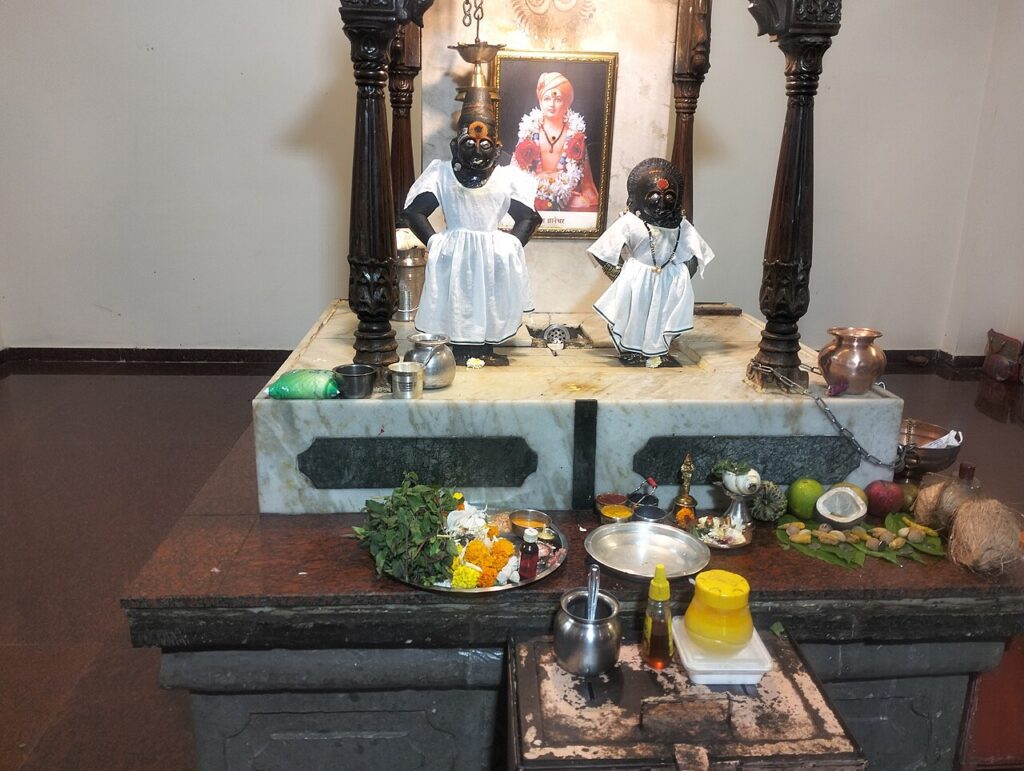
Kakad Aarti is one of the most spiritually powerful rituals in Hindu worship tradition. Performed at dawn, this sacred morning ceremony marks the awakening of the deity and the beginning of a new day filled with divine blessings. In Maharashtra temples dedicated to Shirdi Sai Baba, Vitthal-Rukmini, Pandurang, and Vishnu, Kakad Aarti draws thousands of devotees seeking spiritual transformation.
If you’re planning to attend Kakad Aarti or want to understand its deeper meaning, this comprehensive guide covers everything from timings and rituals to benefits and preparation tips.
What is Kakad Aarti?
Kakad Aarti translates to “dawn prayer” in Marathi, where “Kakad” means early morning and “Aarti” refers to the ceremonial offering of light to a deity. During Kakad Aarti, the temple deity is awakened with soft music and sacred chants, symbolizing the start of a new day.
The ceremony involves waving lighted lamps in circular motions before the deity while priests chant powerful mantras and devotees sing devotional songs (bhajans). The gentle sounds of bells, cymbals, and drums create a spiritually charged atmosphere that connects worshippers with divine energy at the most auspicious time of day.
Why Kakad Aarti is Different from Other Aartis
Unlike other daily prayers, Kakad Aarti holds special significance because:
- Performed at Brahma Muhurta: The most sattvic (pure) time when spiritual practice yields maximum benefits
- Direct deity awakening: Devotees participate in the symbolic awakening of God
- Highest spiritual energy: Dawn vibrations are most conducive to meditation and prayer
- Sets daily intentions: Beginning the day with divine communion influences all subsequent actions
The Spiritual Significance of Kakad Aarti
Waking the Divine: Symbolism and Meaning
Kakad Aarti carries profound symbolic meaning in Hindu worship. While God is omnipresent and never truly sleeps, the ritualistic awakening serves as a reminder for devotees to awaken spiritually, shaking off the darkness of ignorance and welcoming divine wisdom.
This intimate practice reflects the deep relationship between devotees and their chosen deity, treating the divine presence with the same care and reverence one would show to an honored guest or beloved family member.
The Power of Dawn Worship
Early morning worship holds special significance in Hindu tradition for several scientific and spiritual reasons:
- Mental clarity: The mind is calm, fresh, and most receptive to spiritual practices at dawn
- Peaceful atmosphere: Minimal external distractions allow for deeper meditation
- Pure air quality: Morning air is cleanest and most oxygenated
- Spiritual transition: Darkness to light mirrors the journey from ignorance to enlightenment
- Brahma Muhurta benefits: The period before sunrise is considered ideal for spiritual activities
Regular participation in Kakad Aarti allows devotees to begin their day in divine communion, setting a spiritual tone that influences thoughts, actions, and attitudes throughout the day.
Kakad Aarti Timings at Major Temples
Kakad Aarti timings vary by temple but generally fall between 4:30 AM and 6:30 AM. Here are the specific timings at major pilgrimage sites:
Shirdi Sai Baba Temple Kakad Aarti Timing
- Temple Opening: 4:45 AM
- Kakad Aarti: 5:15 AM
- Special Note: Advance booking recommended during peak seasons
Parli Vaijnath Temple Kakad Aarti Timing
- Kakad Aarti: 5:00 AM – 5:30 AM
- Extended Monday Timing: 5:00 AM – 8:00 AM
Pandharpur Vitthal Temple Kakad Aarti Timing
- Kakad Aarti: 4:30 AM – 5:00 AM
- Special Days: Extended hours during Ekadashi and Ashadhi Ekadashi
General Shiva Temple Kakad Aarti Timing
- Standard Timing: 5:00 AM – 5:30 AM
- Monday Special: Extended from 5:00 AM – 8:00 AM
Pro Tip: Always arrive 30-45 minutes before the scheduled Kakad Aarti time to secure a good viewing position and settle into a meditative state.
The Kakad Aarti Ceremony: Complete Ritual Guide
Step 1: Temple Preparation (4:00 AM – 4:45 AM)
Temple priests prepare the sanctum sanctorum by:
- Cleaning the deity’s resting chamber
- Arranging fresh flowers and garlands
- Preparing lamps with ghee or oil
- Setting up incense and ceremonial items
Step 2: The Awakening Song
Kakad Aarti begins with gentle devotional songs that call upon the deity to wake up. Famous verses include:
Shirdi Kakad Aarti Opening Lines:
“Uttoniya pahaante baba ubha ase vitte”
(After waking in early morning, Baba stands on the brick)
Vitthal Temple Awakening Song:
“Utta utta ho vegesee chalaa jaawoonya raawulaasee”
(Wake up! Wake up! Let us go quickly to the Lord’s palace)
These compositions, created by saint-poets, carry centuries of devotional tradition and spiritual power.
Step 3: The Lamp Ceremony (Main Aarti)
The central ritual involves:
- Lighting the lamp: A cloth piece is dipped in ghee and lit
- Circular movements: The priest waves the lamp in circular motions from deity’s feet to head
- Mantra chanting: Powerful Vedic mantras accompany the lamp offering
- Symbolic meaning: Removing darkness and offering divine light
Step 4: Musical Accompaniment and Devotee Participation
During Kakad Aarti:
- Devotees sing bhajans (devotional songs)
- Musical instruments create spiritual vibrations:
- Bells (घंटा): For invoking divine presence
- Cymbals (टाळ): For maintaining rhythm
- Drums (मृदंग): For creating energy
- Harmonium: For melodic accompaniment
Step 5: Receiving the Blessing
After Kakad Aarti concludes:
- The lit lamp is brought to devotees
- Worshippers cup their hands over the flame
- They touch their hands to forehead and eyes
- This symbolizes receiving divine light that dispels ignorance
Kakad Aarti Across Different Temples
Kakad Aarti at Shirdi Sai Baba Temple
The Shirdi Kakad Aarti is perhaps the most famous, attracting thousands of devotees daily. The ceremony includes:
- Devotional hymns specifically composed for Sai Baba
- Emotionally powerful atmosphere
- Live darshan streaming for global devotees
- Special arrangements during festivals
Shirdi Kakad Aarti Booking: Online booking available through official Shirdi Sai Baba Temple website during peak seasons.
Kakad Aarti at Vitthal-Rukmini Temples
In Pandharpur and other Vitthal temples, Kakad Aarti features:
- Singing of Abhang (devotional poetry)
- Compositions by Sant Tukaram and Sant Dnyaneshwar
- Traditional Maharashtrian musical instruments
- Ancient spiritual heritage of the Varkari tradition
Kakad Aarti at Vishnu Temples
Vishnu temple Kakad Aarti often includes:
- Recitation of Vishnu Sahasranama (1,000 names of Lord Vishnu)
- Offering of Tulsi leaves
- Blowing of conch shells
- Spiritually charged environment
Kakad Aarti at Shiva Temples (Jyotirlinga)
At Shiva temples including the 12 Jyotirlingas, Kakad Aarti features:
- Chanting of powerful Shiva mantras
- Offering of water, milk, and bilwa leaves
- Rudrabhishek ceremony
- Om Namah Shivaya chanting
Complete Daily Aarti Schedule in Hindu Temples
Hindu temples typically perform multiple aartis throughout the day:
- Kakad Aarti (Dawn): 4:30 AM – 5:30 AM
- Purpose: Awakening the deity
- Significance: Highest spiritual energy
- Madhyan Aarti (Midday): 12:00 PM – 12:30 PM
- Purpose: Midday prayers and offerings
- Significance: Sustaining divine connection
- Sandhya Aarti (Evening): Around sunset (6:00 PM – 7:00 PM)
- Purpose: Evening gratitude
- Significance: Transition time worship
- Shej Aarti (Night): 8:00 PM – 10:30 PM
- Purpose: Putting the deity to rest
- Significance: Closing the day’s worship
Among these, Kakad Aarti holds special importance as it sets the spiritual foundation for the entire day.
How to Participate in Kakad Aarti
Preparation Before Kakad Aarti
To maximize spiritual benefits:
Physical Preparation:
- Wake up at least 2 hours before Kakad Aarti
- Complete morning ablutions and bathing
- Wear clean, traditional clothing
- Fast or have light refreshments only
Mental Preparation:
- Practice 10-15 minutes of meditation
- Chant your chosen mantra
- Set spiritual intentions for the day
- Maintain silence while traveling to temple
What to Bring:
- Fresh flowers for offering
- Fruits or sweets (if permitted)
- Incense sticks (check temple rules)
- Small donation for temple
During the Kakad Aarti Ceremony
Best Practices:
- Arrive early: Reach 30-45 minutes before scheduled time
- Find good position: Ensure clear view of deity
- Maintain silence: Respect the sacred atmosphere
- Join in chanting: Participate in bhajans if you know them
- Focus your mind: Keep attention on the deity
- Receive blessing: Cup hands over aarti lamp when offered
- Stay present: Avoid phone usage and distractions
After Kakad Aarti
Post-Aarti Activities:
- Remain for personal darshan (viewing of deity)
- Meditate for 5-10 minutes
- Receive and consume prasad (blessed food)
- Maintain peaceful state of mind
- Carry divine energy throughout your day
Kakad Aarti Lyrics and Meaning
Kakad Aarti compositions vary by temple and deity but share common themes:
Universal Kakad Aarti Themes
- Awakening: Calling the deity to rise and bless the day
- Praise: Describing divine qualities and form
- Devotion: Expressing love and complete surrender
- Protection: Seeking divine guidance and safety
- Gratitude: Thanking God for blessings received
Popular Kakad Aarti Verses
Shirdi Sai Baba Kakad Aarti:
“Utta utta ho vegesee chalaa jaawoonya raawulaasee”
Translation: Wake up! Wake up! Let us go quickly to the Lord’s palace
This verse expresses the urgency and enthusiasm of devotees to receive morning blessings.
Vitthal Kakad Aarti:
“Yuge atthavis Vitthala, too maageel taisaa de”
Translation: O Vitthal of twenty-eight yugas, grant me what I ask
Learning Kakad Aarti Lyrics
To learn Kakad Aarti songs:
- Listen to audio recordings multiple times
- Read transliterated versions
- Understand the meaning first
- Practice pronunciation with devotees
- Sing along during temple visits
Benefits of Attending Kakad Aarti
Spiritual Benefits of Kakad Aarti
Regular participation in Kakad Aarti provides:
- Mental purification: Dawn vibrations cleanse negative thoughts
- Spiritual awakening: Activates dormant spiritual consciousness
- Divine connection: Creates intimate bond with deity
- Karmic cleansing: Ancient texts suggest sins are burnt by witnessing Kakad Aarti
- Inner peace: Meditative atmosphere reduces anxiety and stress
- Devotional growth: Strengthens faith and commitment
- Spiritual discipline: Develops consistency in practice
Practical Benefits of Kakad Aarti
Beyond spiritual gains, Kakad Aarti offers:
- Positive daily start: Morning divine communion sets optimistic tone
- Discipline development: Waking early builds self-control
- Community connection: Bonding with fellow devotees
- Stress reduction: Meditative environment calms the mind
- Better focus: Early morning worship improves concentration
- Health benefits: Early rising aligns with natural circadian rhythms
- Cultural preservation: Maintaining ancient traditions
Scientific Benefits of Dawn Worship
Modern research supports traditional wisdom about early morning spiritual practice:
- Cortisol optimization: Morning meditation regulates stress hormones
- Circadian rhythm alignment: Early rising improves sleep-wake cycles
- Enhanced neuroplasticity: Dawn hours optimize brain learning
- Reduced inflammation: Regular meditation decreases inflammatory markers
- Improved emotional regulation: Morning practice strengthens prefrontal cortex
Kakad Aarti on Special Days
Monday (Somvar) Kakad Aarti
Mondays are especially auspicious for Shiva worship:
- Extended Kakad Aarti timings (5:00 AM – 8:00 AM)
- Special Rudrabhishek ceremonies
- Larger crowds of devotees
- Enhanced spiritual energy
Full Moon (Purnima) Kakad Aarti
Purnima Kakad Aarti offers:
- Heightened spiritual vibrations
- Special rituals and offerings
- Extended darshan hours
- Increased community participation
Festival Kakad Aarti
Major festivals feature elaborate Kakad Aarti:
Mahashivratri Kakad Aarti:
- All-night vigil culminating in dawn aarti
- Special abhishekam ceremonies
- Large devotee gatherings
- Extended celebration hours
Guru Purnima Kakad Aarti:
- Honoring spiritual teachers
- Special prayers for wisdom
- Guru worship rituals
Ramnavami Kakad Aarti:
- Celebrating Lord Rama’s birth
- Extended celebrations
- Special bhajan sessions
Tips for First-Time Kakad Aarti Attendees
Before You Go
- Research timing: Confirm exact Kakad Aarti schedule
- Book if needed: Popular temples require advance booking
- Plan transportation: Arrange early morning travel
- Check dress code: Understand temple-specific requirements
- Learn basics: Familiarize yourself with aarti songs
What to Expect
Physical Environment:
- Crowded conditions (especially weekends)
- Early morning cold (dress warmly in winter)
- Standing for 30-45 minutes
- Limited seating availability
Spiritual Atmosphere:
- Powerful devotional energy
- Emotional and uplifting experience
- Collective chanting and singing
- Deeply peaceful environment
Common Mistakes to Avoid
- Arriving late: Rushing disrupts your meditation
- Phone usage: Breaks spiritual concentration
- Talking during ceremony: Disrespects sacred atmosphere
- Inappropriate clothing: May bar temple entry
- Leaving immediately: Missing post-aarti blessings
- Not participating: Passive observation reduces benefits
The Cultural Heritage of Kakad Aarti
Kakad Aarti represents centuries of unbroken spiritual practice in Maharashtra and across India. This dawn ceremony connects modern worshippers with ancient spiritual wisdom, creating a living bridge between past and present.
The ritual’s songs, mantras, and procedures have remained largely unchanged for centuries, allowing today’s devotees to experience the same spiritual atmosphere that blessed their ancestors. Saint-poets like Tukaram, Dnyaneshwar, Eknath, and Namdev composed many Kakad Aarti compositions that continue to inspire millions.
Maharashtra’s Unique Kakad Aarti Tradition
Maharashtra has a particularly rich Kakad Aarti tradition due to:
- Strong Bhakti movement influence
- Saint-poet compositions (Abhangs)
- Varkari sampradaya dedication
- Temple culture emphasis
- Morning worship centrality
Frequently Asked Questions About Kakad Aarti
What time is Kakad Aarti performed?
Kakad Aarti is typically performed between 4:30 AM and 6:30 AM, with most temples conducting it around 5:00 AM – 5:30 AM. Shirdi Sai Baba Temple performs Kakad Aarti at 5:15 AM.
What is the difference between Kakad Aarti and other aartis?
Kakad Aarti is the morning awakening ceremony performed at dawn, while other aartis (Madhyan, Sandhya, Shej) occur at different times of day. Kakad Aarti is considered most spiritually powerful as it’s performed during Brahma Muhurta.
Do I need to book in advance for Kakad Aarti?
Advance booking is required only at very popular temples like Shirdi during peak seasons. Most temples allow direct walk-in attendance for Kakad Aarti.
Can non-Hindus attend Kakad Aarti?
Most Hindu temples welcome people of all faiths to attend Kakad Aarti, though specific rules vary by temple. Check individual temple guidelines before visiting.
What should I wear to Kakad Aarti?
Wear clean, modest traditional clothing. Many temples require:
- Men: Dhoti or traditional pants and shirts
- Women: Sarees, salwar kameez, or traditional dress
- Avoid: Shorts, sleeveless tops, revealing clothing
How long does Kakad Aarti last?
Kakad Aarti typically lasts 20-30 minutes for the main ceremony, though arriving early and staying for darshan extends the visit to 60-90 minutes total.
What is the best day to attend Kakad Aarti?
While Kakad Aarti is powerful any day, Mondays (for Shiva temples), Full Moon days (Purnima), and major festivals like Mahashivratri offer enhanced spiritual experiences.
Can I take photos during Kakad Aarti?
Photography rules vary by temple. Most temples prohibit photography during the actual ceremony but may allow it in outer areas. Always ask permission first.
What are the benefits of attending Kakad Aarti regularly?
Regular Kakad Aarti attendance provides mental purification, spiritual awakening, divine connection, peace of mind, discipline development, and sets a positive tone for your entire day.
Is fasting required before Kakad Aarti?
Fasting is not mandatory but recommended. Many devotees have only water or light refreshments before Kakad Aarti and eat after receiving prasad.
Conclusion: Embracing the Sacred Dawn
Kakad Aarti stands as one of Hinduism’s most beautiful and transformative rituals. This sacred dawn ceremony offers modern seekers a precious opportunity to begin each day in divine communion, connecting with spiritual traditions that have blessed millions for centuries.
Whether performed in the grand temples of Shirdi, Pandharpur, or Parli Vaijnath, or smaller neighborhood shrines, Kakad Aarti creates a sacred space where human and divine meet in love, light, and devotion. The combination of early morning stillness, devotional music, flickering lamps, and collective worship touches the soul and awakens dormant spiritual consciousness.
For those who have never experienced Kakad Aarti, attending this sacred dawn ritual even once can be profoundly transformative. As the lamps are waved before the deity and morning prayers echo through the temple, devotees don’t just witness a ceremony they experience a sacred awakening of both the deity they worship and their own divine nature within.
In our modern world of constant distractions and busy schedules, Kakad Aarti offers what we need most: a daily reminder of the eternal presence of the divine in our lives, and an opportunity to align our human consciousness with higher spiritual reality.
Related Articles: