


Holy Rivers of Maharashtra
Have you ever stood on the banks of a river in Maharashtra and felt something change inside you? It isn’t just water flowing over rocks; it is history, devotion, and the very lifeline of the Varkari Sampradaya.
In our tradition, a river is never just a geological body. It is a Tirthakshetra a crossing point where the mortal world meets the divine. From the crescent embrace of the Chandrabhaga to the silent wisdom of the Indrayani, these waters have witnessed the miracles of Saints (Sants) for centuries.
If you are a devotee planning your next Yatra (pilgrimage), or simply a student of spirituality, here is a deep dive into the holy rivers that define the soul of Maharashtra.
1. Chandrabhaga (Bhima): The Crescent of Pandharpur

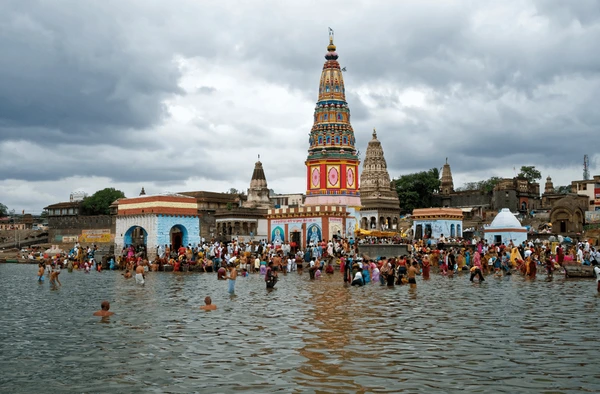
“Chandrabhagechya tiri, ubha mandiye vari”
To a Varkari, this is not just a river, it is the mother who welcomes you before you meet the Father, Lord Vitthal.
Geographically, this river is the Bhima. But when it reaches Pandharpur, it takes a beautiful, crescent moon-like turn. Because of this shape (Chandra meaning Moon), it is lovingly called Chandrabhaga.
The Legend of Pundalik History tells us that the great devotee Pundalik threw a brick (veet) for Lord Vitthal to stand on while he served his parents. But it is the river that completes this picture. Before entering the temple, every devotee takes a holy dip (Snan) here. It is said that even the sins that follow you for lifetimes are washed away when you touch these waters during the Ashadhi Ekadashi.
Traveler’s Note: The riverbed here is wide and sandy (waalvunt). It is the stage for the famous “Ringan” ceremonies and late-night Kirtans during the Wari.
2. Indrayani: The River of Knowledge and Miracles

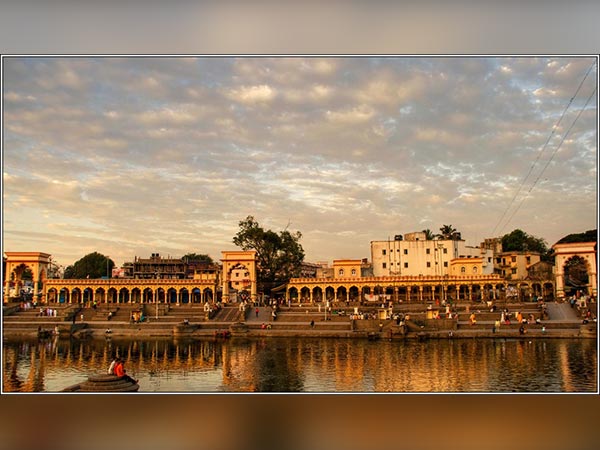
If Chandrabhaga is the heart of devotion, Indrayani is the river of wisdom. It has the unique privilege of flowing past the two greatest power centers of Maharashtra: Alandi and Dehu.
The Witness to a Miracle The Indrayani is famous for one of the most heart-wrenching yet triumphant moments in Kirtan history. When jealousy forced Sant Tukaram Maharaj to sink his Gatha (manuscripts of Abhangs) into the river, he sat on a stone slab for 13 days, fasting and praying.
The river, unable to destroy such pure devotion, protected the manuscripts. On the 13th day, the Gatha floated to the surface, completely dry. Today, when you sit on the ghats of Dehu, you are sitting by the same waters that preserved the words of Jagadguru Tukaram.
- Alandi Connection: Just a few kilometers downstream, the river hugs the Samadhi of Sant Dnyaneshwar Mauli, creating a spiritual circuit that vibrates with the energy of Hari-Naam.
3. Godavari: The Ganges of the South (Dakshin Ganga)


The Godavari is majestic and ancient. While it is famous for the Kumbh Mela in Nashik, for the Varkari tradition, its soul lies in Paithan, the home of Sant Eknath Maharaj.
The Lesson of Compassion The most famous story associated with the Godavari in Kirtan lore is that of Sant Eknath’s compassion. It is said that Eknath Maharaj brought holy water from the Ganges all the way from Kashi to offer it to the Rameshwaram shrine.
However, on the banks of the Godavari near Paithan, he saw a donkey dying of thirst. Without a second thought, the Saint poured the holy water into the donkey’s mouth. When questioned, he famously said, “My Rameshwar is in this thirsty soul.”
This river teaches us that Bhoot-Daya (compassion for all beings) is the highest form of worship.
4. Krishna-Panchganga: The Datta Kshetra


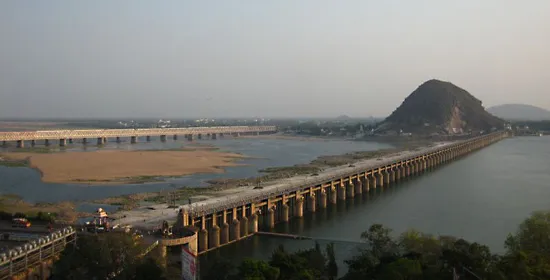
In Southern Maharashtra, near Kolhapur, lies Narsobachi Wadi. Here, the river Krishna meets the river Panchganga. This Sangam (confluence) is a powerful center for the Datta Sampradaya.
Unlike other temples that have large idols, the focus here is the river itself and the sacred Audumbar trees that line the banks. It is believed that Shri Nrusinha Saraswati (the second avatar of Lord Dattatreya) lived here for 12 years.
Devotees believe that the currents of the Krishna-Panchganga hold the power to cure mental restlessness. The silence here is heavy with the chanting of “Digambara Digambara Shripad Vallabh Digambara.”
The Spiritual Takeaway (Nirupan)
Why do Saints love rivers? In Kirtan Nirupan (interpretation), a river is often compared to the Jivatma (human soul).
- It has a source (Birth).
- It flows through rocks and forests (Life’s struggles).
- It eventually merges into the Ocean (Paramatma/God).
A river never stops flowing, just as a seeker should never stop chanting the Lord’s name until they reach the final destination.
Preserve Our Heritage Today, our holy rivers face the challenge of pollution. As Varkaris, our duty (Dharma) is not just to bathe in them, but to protect them. Let us pledge to keep the Chandrabhaga and Indrayani clean, so they may inspire future generations just as they inspired Sant Tukaram and Sant Dnyaneshwar.
Ram Krishna Hari.