


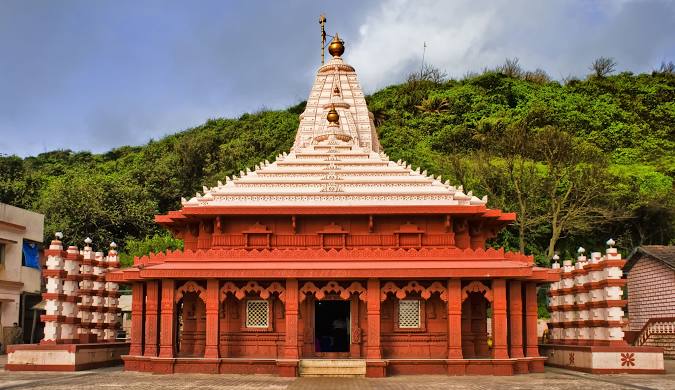
Ganpatipule Temple, situated along the serene Konkan coastline in Maharashtra, is one of the most spiritually significant temples dedicated to Lord Ganesha. Known for its ancient Swayambhu (self-manifested) idol and pristine natural surroundings, Ganpatipule offers a rare blend of divine energy, untouched beaches, and cultural heritage. Set against rolling hills, swaying coconut trees, and the vast Arabian Sea, this temple provides an atmosphere of peace and devotion that attracts pilgrims and tourists year-round.
Significance of the Swayambhu Ganesha Idol
What makes Ganpatipule truly unique is the Swayambhu Ganesha idol, believed to have emerged naturally from the soil centuries ago. This rare form of Lord Ganesha is not crafted by human hands, making the temple exceptionally sacred. The idol faces west directly toward the sea symbolizing protection from natural forces and blessings over the Konkan region. Devotees believe that the deity here is very powerful, fulfilling wishes and offering spiritual strength to all who visit.
Temple Architecture and Sacred Ritual Experience
The temple’s architecture is inspired by traditional Konkani craftsmanship, built in harmony with the natural rock formation from which the idol emerged. The sanctum (Garbhagriha) is constructed around the original rock without altering its natural structure, preserving the purity of the site. The temple’s wooden pillars, sloping red-tiled roof, and calm courtyard reflect the simple yet profound Konkan architectural style.
One of the most distinctive rituals performed here is the pradakshina along the beach, where devotees walk around the temple while being surrounded by the rhythmic sound of waves. Since the temple’s western side touches the shoreline, this ritual becomes a deeply peaceful experience, blending nature’s presence with devotion.
Daily rituals include:
- Kakad Aarti (early morning)
- Madhyan Aarti (afternoon)
- Sandhya Aarti (sunset)
Each Aarti reflects different forms of devotion, with the evening Aarti offering a mesmerizing view as lamps are lit while waves crash nearby.
Mythological History and Legends of Ganpatipule
According to ancient folklore, a Brahmin named Keshav Bhatt once lived in this region. During a stressful phase of his life, he sought refuge near the sea and prayed intensely to Lord Ganesha. The deity, impressed by his devotion, manifested naturally from the soil, choosing the site as his permanent abode. This self-manifestation led to the establishment of Ganpatipule as a sacred pilgrimage point.
Another tale connects the place to Sage Agastya, who is said to have meditated near the hill that now stands behind the temple. The region’s name, “Ganpatipule,” derives from the words “Ganapati” (Lord Ganesha) and “Pule” (sand dune), referring to the deity emerging from the sandy dunes of the coast.
Natural Beauty of Ganpatipule Beach
Ganpatipule Beach is a major highlight of the region, known for its pristine golden sands, clear waters, gentle waves, and unspoiled natural charm. The long seashore provides peaceful walks and is ideal for meditation, photography, or simply soaking in the tranquillity of nature.
Key features of the beach:
- Clean, quiet, and family-friendly environment
- Golden sunsets behind the temple
- Lush green coconut and betel-nut plantations
- Long walking trails with scenic views
The beach’s natural beauty enhances the divine feel of the temple, making the entire area a serene escape from city life.
Festivals Celebrated at Ganpatipule Temple
Ganpatipule Temple becomes a vibrant spiritual center during major festivals, attracting thousands of devotees:
Ganesh Chaturthi
This is the most celebrated festival here, with special rituals, cultural programs, traditional music, and vibrant decorations. Devotees gather from across Maharashtra to witness the grand celebrations.
Magh Shudh Chaturthi
Considered one of the most auspicious days for worshipping Lord Ganesha, this festival sees huge pilgrim footfall. Many devotees observe vows, perform special poojas, and offer coconuts and sweets.
Diwali and Ramnavami
During these festivals, the temple is illuminated with lights, and special religious programs take place, adding charm to the festive atmosphere.
Nearby Attractions and Places to Explore
Ganpatipule is surrounded by culturally rich and scenic locations, making it a perfect blend of pilgrimage and tourism:
- Prachin Konkan Museum – An open-air life-size museum showcasing traditional Konkan lifestyle, history, and culture
- Aare-Ware Beach Road – A breathtaking coastal road offering panoramic sea views
- Malgund Village – Birthplace of the renowned Marathi poet Keshavsut
- Jaigad Fort and Lighthouse – Offering commanding views of the Jaigad Creek and Arabian Sea
- Bhandarpule Beach – A quieter beach with clean sand and serene beauty, perfect for those seeking solitude
These spots enrich the travel experience by giving visitors a deeper appreciation of Konkan’s heritage and natural beauty.
Best Time to Visit Ganpatipule Temple
The best season to visit Ganpatipule is from October to March, when the climate is cool and pleasant. Winters offer the ideal setting for exploring beaches, attending temple rituals, and enjoying the scenery. The monsoon season transforms the region into a lush green paradise, although swimming and beach activities are limited.
How to Reach Ganpatipule Temple
Ganpatipule is well connected through roadways and is easily accessible from Mumbai, Pune, Kolhapur, and Ratnagiri.
- By Road: State transport buses, private vehicles, and taxis offer smooth connectivity.
- By Rail: The nearest major railway station is Ratnagiri, around 30 km away.
- By Air: The closest airport is in Kolhapur, with good road connectivity to Ganpatipule.
Tips for Devotees and Visitors of Ganpatipule Temple
- Visit early morning for peaceful darshan
- Carry water and comfortable footwear for beach pradakshina
- Avoid littering on the beach and temple premises
- Sunset Aarti is highly recommended for a spiritual and scenic experience
Visitor Information
- Timings: 5:00 AM – 10:00 PM (open daily).
- Best Time to Visit: November–February for pleasant weather.
- Accommodation: Stay at Maharashtra Tourism’s MTDC resort or local homestays for an authentic Konkan experience.