


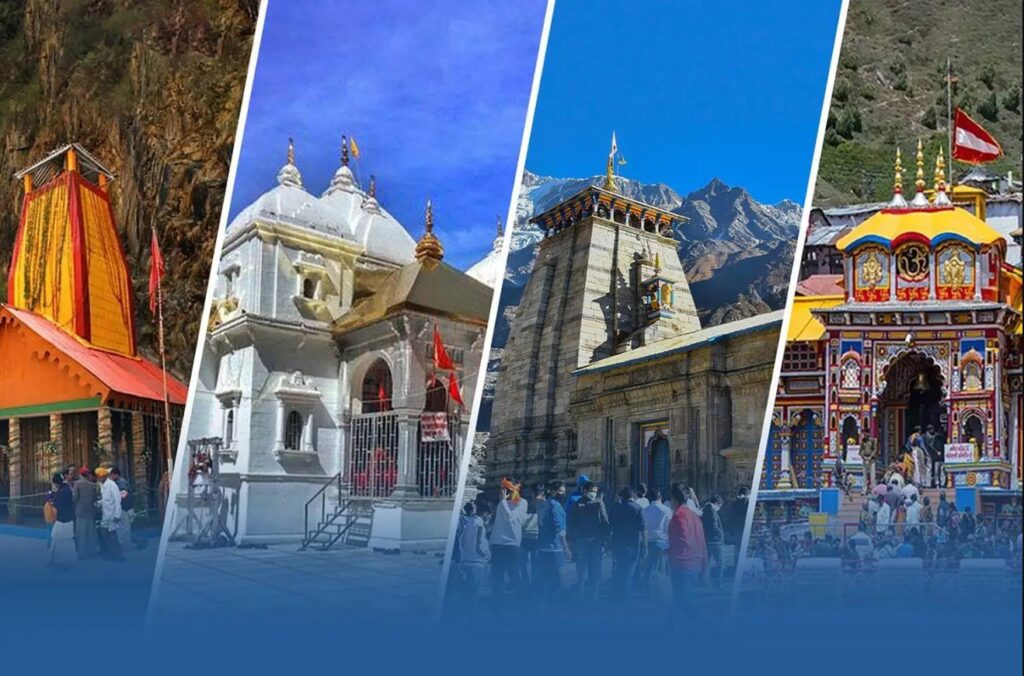
Every year, millions of Hindu pilgrims and spiritual seekers embark on the Char Dham Yatra one of the most sacred journeys in the world. Nestled in the mighty Himalayas of Uttarakhand, this pilgrimage to four divine shrines is believed to wash away a lifetime of sins and bring the devotee closer to Moksha (liberation). If you’re planning your Char Dham Yatra in 2026, this complete guide covers everything from the route and 12-day itinerary to registration, cost, and expert travel tips.
📌 Quick Tip: The portals for Char Dham 2026 are expected to open between April 30 and May 10, 2026, depending on the auspicious Akshaya Tritiya and Shiv dates. Book accommodation and register early to avoid last-minute rush.
What is Char Dham Yatra?
The Char Dham Yatra refers to the pilgrimage to four sacred Hindu shrines situated in the Garhwal Himalayan region of Uttarakhand, India. The word “Char” means four, and “Dham” means abode or holy seat. These four dhams are:
1. Yamunotri – Source of the River Yamuna
- Altitude: 3,293 metres above sea level
- Location: Uttarkashi district, Uttarakhand
- Dedicated to: Goddess Yamuna
- Trek Distance: 6 km from Janki Chatti (the last motorable point)
- Significance: First stop on the traditional Char Dham circuit. Pilgrims take holy dip in the Surya Kund hot spring and cook rice in its boiling waters as prasad.
2. Gangotri – Origin of the Sacred Ganges
- Altitude: 3,415 metres above sea level
- Location: Uttarkashi district, Uttarakhand
- Dedicated to: Goddess Ganga
- Trek Distance: 19 km to Gaumukh glacier (optional, for adventure pilgrims)
- Significance: Second stop on the route. The temple marks the point where Goddess Ganga descended to Earth. Devotees take a holy dip in the Bhagirathi River here.
3. Kedarnath – Abode of Lord Shiva
- Altitude: 3,583 metres above sea level
- Location: Rudraprayag district, Uttarakhand
- Dedicated to: Lord Shiva (one of the 12 Jyotirlingas)
- Trek Distance: 16 km from Gaurikund (helicopter service also available)
- Significance: The most challenging and spiritually powerful dham. The Kedarnath temple, over 1,000 years old, is a supreme Jyotirlinga that survived the devastating 2013 floods.
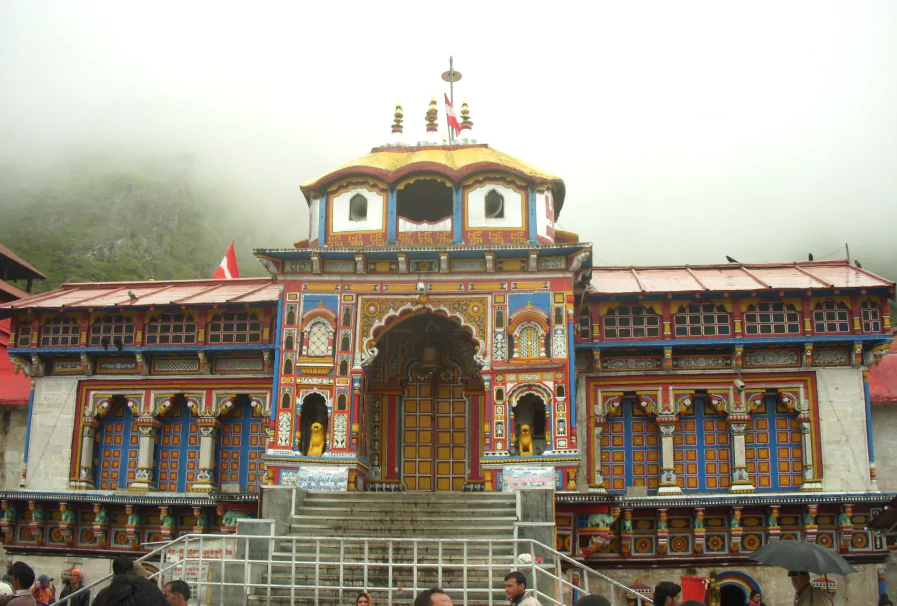
4. Badrinath – Abode of Lord Vishnu
- Altitude: 3,133 metres above sea level
- Location: Chamoli district, Uttarakhand
- Dedicated to: Lord Vishnu (Badrinarayan)
- Trek Distance: Road accessible; short walk to temple from parking
- Significance: The final and most visited dham. Badrinath is one of the 108 Divya Desams and is believed to be where Lord Vishnu meditated in the form of Badrinarayan.
Char Dham Yatra Route & Map Explanation
The traditional Char Dham route is followed in a specific clockwise sequence. Deviating from this order is considered spiritually incomplete by most Hindu traditions.
The Traditional Sequence:
Haridwar/Rishikesh → Yamunotri → Gangotri → Kedarnath → Badrinath → Haridwar/Rishikesh
Route Breakdown:
| Segment | Route | Distance | Drive Time |
|---|---|---|---|
| Haridwar → Barkot (for Yamunotri) | Via Dehradun–Mussoorie–Barkot | 220 km | 7–8 hours |
| Barkot → Uttarkashi (for Gangotri) | Via Barkot–Dharasu–Uttarkashi | 100 km | 3–4 hours |
| Uttarkashi → Guptkashi (for Kedarnath) | Via Tehri–Devprayag–Rudraprayag | 250 km | 8–9 hours |
| Guptkashi → Badrinath | Via Rudraprayag–Chamoli–Joshimath | 200 km | 6–7 hours |
| Badrinath → Haridwar (return) | Via Joshimath–Devprayag–Haridwar | 330 km | 9–10 hours |
Total Road Distance: 1,500 km (round trip from Haridwar)
Key Confluence Points (Prayags) on Route:
The route passes through five sacred river confluences called Panch Prayag: Vishnuprayag, Nandprayag, Karnaprayag, Rudraprayag, and Devprayag. Each is worth a brief stopover for a holy dip or darshan.
Char Dham Yatra Itinerary – 12-Day Plan (2026)
This is an expertly crafted 12-day itinerary for a comfortable Char Dham Yatra. It balances spirituality, physical stamina, and acclimatization.
Day-by-Day Char Dham Itinerary
| Day | Location | Key Activities | Night Stay |
|---|---|---|---|
| Day 1 | Haridwar/Rishikesh | Arrival, Ganga Aarti at Har Ki Pauri, rest | Haridwar |
| Day 2 | Haridwar → Barkot | Drive via Mussoorie, check-in, rest | Barkot |
| Day 3 | Yamunotri Darshan | Trek 6 km Janki Chatti → Yamunotri, darshan, return | Barkot |
| Day 4 | Barkot → Uttarkashi | Drive, check-in, visit Vishwanath Temple | Uttarkashi |
| Day 5 | Gangotri Darshan | Drive to Gangotri (100 km), holy dip, darshan, return | Uttarkashi |
| Day 6 | Uttarkashi → Guptkashi | Long scenic drive via Tehri Dam | Guptkashi / Sersi |
| Day 7 | Guptkashi → Kedarnath | Drive to Gaurikund, trek 16 km OR helicopter to Kedarnath | Kedarnath |
| Day 8 | Kedarnath Darshan | Early morning abhishek/darshan, meditation, trek back to Gaurikund | Guptkashi / Phata |
| Day 9 | Guptkashi → Badrinath | Drive via Rudraprayag–Joshimath, en route visit Pandukeshwar | Badrinath |
| Day 10 | Badrinath Darshan | Brahma Muhurta darshan (4:30 AM), Tapt Kund dip, Mana Village | Badrinath |
| Day 11 | Badrinath → Rudraprayag | Leisurely return drive, visit Devprayag | Rudraprayag |
| Day 12 | Rudraprayag → Haridwar | Return to Haridwar/Rishikesh, departure |
Note: Day 7 trek to Kedarnath can be covered by pony, palanquin (palki), or helicopter for senior citizens or those with health limitations.
Best Time to Visit Char Dham Yatra
The Char Dham shrines remain open only for 6 months (approximately May to November) each year. The temples close for winter due to heavy snowfall and extreme conditions.
Month-Wise Breakdown:
| Month | Season | Conditions | Recommendation |
|---|---|---|---|
| May – June | Opening Season | Moderate cold, manageable crowds | ⭐⭐⭐⭐⭐ Best |
| July – August | Monsoon | Heavy rain, landslides, road closures | ⚠️ Risky – Avoid if possible |
| September – October | Post-Monsoon | Clear skies, fresh landscape, festive | ⭐⭐⭐⭐⭐ Excellent |
| November | Closing Season | Temples close (Diwali week), cold sets in | ⭐⭐ Only for closing ceremony |
Expert Recommendation:
Mid-May to mid-June and September to mid-October are the sweet spots for the Char Dham Yatra 2026. Weather is clear, roads are stable, and the spiritual energy is at its peak during these windows.
How to Reach Char Dham
By Air
The nearest airport to the Char Dham circuit is Jolly Grant Airport, Dehradun (DED). From Dehradun, hire a taxi or take a bus to Haridwar/Rishikesh as your base.
- Haridwar from Dehradun Airport: 55 km (1.5 hours by taxi)
- Helicopter Services: Direct helicopter services to Kedarnath operate from Phata, Sersi, Sitapur, and Guptkashi. Book via the official IRCTC or Uttarakhand Tourism helicopter portals.
By Rail
- Haridwar Railway Station and Rishikesh Railway Station are the main railheads.
- Haridwar is well-connected to Delhi (5–6 hours), Mumbai, Lucknow, Varanasi, and most major cities.
- From Rishikesh/Haridwar, hire a taxi or join a group tour for the Yatra.
By Road
- From Delhi: Delhi → Haridwar (220 km, 5 hours via NH-58). Frequent Volvo buses available from ISBT Kashmere Gate.
- From Dehradun: Dehradun → Haridwar → Yatra begins. State buses and private taxis available.
- Self-drive: Roads are motorable post-monsoon season. However, the Himalayan terrain requires 4WD capability on some stretches.
Pro Tip: Hire a vehicle from Haridwar or Rishikesh for the entire Char Dham circuit. A dedicated driver who knows the mountain roads is invaluable and often cheaper than hiring per stretch.
Char Dham Registration Process & Guidelines (2026)
The Uttarakhand government has made online Char Dham Yatra registration mandatory since 2022. In 2026, the process continues with stricter capacity controls.
How to Register for Char Dham Yatra 2026
Step-by-Step Registration Process:
- Visit the official portal: registrationandtouristcare.uk.gov.in
- Click on “Char Dham Yatra Registration 2026”
- Enter personal details (name, age, ID proof, mobile number)
- Upload a government-issued photo ID (Aadhaar Card recommended)
- Select your preferred travel dates for each dham
- Submit and download/print your registration slip
Important Guidelines:
- Registration is free of cost beware of fraud websites charging fees.
- Carry a printed or digital copy of the registration slip at all checkpoints.
- Pilgrims aged above 50 are required to carry a medical fitness certificate from a registered doctor.
- Daily pilgrim caps are enforced: Kedarnath (12,000/day), Badrinath (15,000/day).
- Registration can be done individually or for a group (up to 10 members per slot).
Helicopter Booking for Kedarnath:
- Helicopter darshan packages can be booked on heliyatra.irctc.co.in
- Book well in advance slots fill up within hours of opening.
- Approx. cost: ₹4,500–₹7,000 per person (one-way); ₹8,500–₹14,000 (round-trip)
Accommodation & Food Options
Where to Stay During Char Dham Yatra
The Uttarakhand government, GMVN (Garhwal Mandal Vikas Nigam), and private operators offer accommodation at all major stopover points.
| Accommodation Type | Price Range (Per Night) | Best For |
|---|---|---|
| Dharamshalas / Ashrams | ₹200 – ₹600 | Budget pilgrims, basic facilities |
| GMVN Tourist Rest Houses | ₹800 – ₹2,500 | Mid-range, government-run, reliable |
| Budget Hotels / Guesthouses | ₹600 – ₹1,500 | Comfort seekers, decent rooms |
| Mid-Range Hotels | ₹1,500 – ₹4,000 | Families, better amenities |
| Luxury Camps / Cottages | ₹5,000 – ₹12,000 | Premium experience seekers |
Key Stays at Each Dham:
- Yamunotri: Barkot and Janki Chatti have the best guesthouses.
- Gangotri: Uttarkashi offers the most variety in accommodation.
- Kedarnath: Tent stays and lodges are available near the temple; book months ahead.
- Badrinath: GMVN Badrinath Complex and private hotels along the main road.
Food Along the Char Dham Route
Food options are simple, sattvic (pure vegetarian), and nourishing perfectly suited for the pilgrimage spirit.
- Prasad and Langars: Free meals served at temples and dharamshalas by seva trusts. Nutritious daal-chawal and khichdi are standard.
- Local Dhabas: Aloo puri, rajma chawal, kadhi, momos (at lower altitudes), and Garhwali specialties like Kafuli and Chainsoo are widely available.
- Packaged Snacks: Carry energy bars, dry fruits, glucose biscuits, and ORS sachets for the trek portions.
⚠️ Non-vegetarian food and alcohol are strictly prohibited in the temple precincts and near the shrines. Respect local customs.
Health, Safety & Packing Tips
Health Precautions
High altitude is the biggest challenge of the Char Dham Yatra. Altitude sickness (AMS Acute Mountain Sickness) can affect even the fittest of travelers.
- Acclimatize: Spend at least one day in Haridwar/Rishikesh before ascending.
- Medications: Carry Diamox (acetazolamide) consult a doctor before use. Always have paracetamol, antacids, and ORS.
- Hydration: Drink 3–4 litres of water daily. Avoid aerated drinks at altitude.
- Heart Patients & Diabetics: Mandatory doctor’s fitness certificate required. Carry all prescription medicines with documentation.
- Medical Posts: Government has set up medical check posts at Gaurikund (for Kedarnath) and Joshimath (for Badrinath). AIIMS mobile health units are deployed seasonally.
Safety on the Trail
- Never trek alone, especially on the Kedarnath route.
- Check weather forecasts daily (IMD Uttarakhand weather updates).
- Register at SDRF (State Disaster Response Force) checkpoints.
- Download the “Devasthanam Board” or “Yatri Mitra” app for real-time updates.
Packing Checklist for Char Dham Yatra
Clothing & Gear:
- Thermal innerwear (top and bottom, 2 sets)
- Woollen sweater or fleece jacket
- Waterproof windcheater / rain poncho
- Comfortable trekking shoes with ankle support
- Warm socks (at least 4 pairs), gloves, and muffler
- Sun hat or cap
Documents & Essentials:
- Government photo ID (Aadhaar, Passport, Voter ID)
- Char Dham Registration slip (printed + digital backup)
- Travel insurance documents
- Emergency contact list (laminated)
Medical Kit:
- Diamox, paracetamol, antacids, antihistamines
- ORS sachets and glucose powder
- Bandages, antiseptic cream, blister plasters
- Personal prescription medicines with doctor’s note
Tech & Miscellaneous:
- Powerbank (10,000 mAh+), charging cables
- Offline maps downloaded (Google Maps Offline)
- Torch/headlamp with extra batteries
- Reusable water bottle and water purification tablets
Cost Estimation / Budget Guide for Char Dham Yatra 2026
The cost of Char Dham Yatra varies greatly based on the mode of travel, accommodation type, and duration.
Budget Breakdown (Per Person, 12-Day Trip):
| Category | Budget Traveller | Mid-Range | Luxury |
|---|---|---|---|
| Transportation (taxi/vehicle) | ₹6,000–₹8,000 | ₹10,000–₹15,000 | ₹20,000–₹35,000 |
| Accommodation (12 nights) | ₹3,600–₹7,200 | ₹12,000–₹24,000 | ₹40,000–₹80,000 |
| Food (all meals, 12 days) | ₹3,000–₹4,800 | ₹6,000–₹10,000 | ₹15,000–₹25,000 |
| Kedarnath Trek/Pony/Helicopter | ₹500–₹2,000 | ₹3,000–₹5,000 | ₹12,000–₹16,000 |
| Pooja, Prasad & Offerings | ₹1,000–₹2,000 | ₹3,000–₹5,000 | ₹10,000–₹25,000 |
| Miscellaneous (tips, entry fees) | ₹1,000–₹2,000 | ₹2,000–₹3,000 | ₹5,000–₹8,000 |
| TOTAL (Approximate) | ₹15,000–₹26,000 | ₹36,000–₹62,000 | ₹1,00,000–₹1,89,000 |
Char Dham Package Options:
Travel agents and tour operators offer all-inclusive Char Dham packages starting from:
- Budget Package (shared vehicle + basic hotel): ₹18,000–₹25,000 per person
- Standard Package (private vehicle + mid-range hotel): ₹35,000–₹55,000 per person
- Luxury Package (AC vehicle + 3-star hotel + helicopter at Kedarnath): ₹80,000–₹1,50,000 per person
💡 Tip: Booking directly with verified local operators in Haridwar or Rishikesh is often 20–30% cheaper than big travel portals.
Spiritual Significance & Experience
The Char Dham Yatra transcends tourism. It is a journey of the soul.
According to Hindu scriptures, completing the Char Dham pilgrimage liberates the devotee from the cycle of birth and death (Samsara) and helps attain Moksha. Adi Shankaracharya, the 8th-century philosopher-saint, is credited with reviving and establishing the Char Dham Yatra as a sacred Hindu institution.
What Pilgrims Experience:
At Yamunotri: The gentle gurgle of the sacred Yamuna, the soothing hot springs, and the raw beauty of Bandarpunch peak create an atmosphere of profound quietude.
At Gangotri: Standing at the source of Mother Ganga, one feels the immense power of this civilization-sustaining river. The roaring Bhagirathi and the stark Himalayan landscape evoke deep reverence.
At Kedarnath: The 1,000-year-old stone temple surrounded by snow-capped peaks and glaciers creates an experience that defies description. The 2013 floods that destroyed everything around it but left the temple untouched are considered a divine miracle by devotees.
At Badrinath: The sight of the brightly lit Badrinath temple against the backdrop of Neelkanth Peak at dawn, with pilgrims chanting “Jai Badri Vishal,” is one of the most emotionally moving experiences in India.
The Yatra teaches patience, humility, and surrender qualities that the Himalayan journey demands at every step.
Pro Travel Tips – Do’s & Don’ts
DO’s
- Register early: Official registration typically opens 2–3 weeks before the portals open. Be ready on registration day.
- Start the trek early: Begin Kedarnath trek by 5–6 AM to avoid afternoon clouds and rain.
- Travel light: Your backpack should not exceed 7–10 kg for the trekking sections.
- Buy travel insurance: Ensure it covers high-altitude trek evacuation and medical emergencies.
- Respect the environment: Carry a reusable bag. The Himalayas are fragile do not litter.
- Book helicopter well in advance: Kedarnath helicopter slots vanish within days of booking opening.
- Carry cash: ATMs are sparse and frequently out of order beyond Guptkashi and Joshimath.
- Follow the traditional sequence: Yatri → Yamunotri → Gangotri → Kedarnath → Badrinath for spiritual completeness.
DON’Ts
- Don’t ignore health warnings: Chest pain, breathlessness, or severe headache at altitude = descend immediately.
- Don’t trek in poor weather: If it’s raining heavily or there’s a landslide warning, wait it out.
- Don’t use plastic bags: Strictly prohibited in many zones along the Char Dham route.
- Don’t photograph inside temples: Most shrines prohibit photography in the sanctum sanctorum.
- Don’t pay touts: Book all services through official counters or verified operators.
- Don’t rush the itinerary: The biggest mistake pilgrims make. Give yourself buffer days.
- Don’t skip puja registrations: At Kedarnath and Badrinath, register for specific puja slots (Abhishek, Rudrabhishek) days in advance.
Conclusion – Begin Your Sacred Journey Today
The Char Dham Yatra is not just a trip it is a transformation. Whether you are a devout pilgrim seeking divine blessings or a spiritual seeker drawn to the Himalayas, this 1,500-km journey through the abodes of India’s most revered deities will leave an indelible mark on your soul.
With 2026 portals expected to open in late April or early May, now is the perfect time to start planning your Char Dham Yatra. Secure your registration, shortlist your accommodation, and choose a travel package that fits your budget and physical ability.
Don’t wait for the “perfect time” the mountains are calling, and the divine is waiting.
Frequently Asked Questions (FAQ Schema)
Q1. What is the Char Dham Yatra and why is it important?
A: The Char Dham Yatra is a Hindu pilgrimage to four sacred shrines in Uttarakhand Yamunotri, Gangotri, Kedarnath, and Badrinath. It is considered one of the holiest journeys in Hinduism, believed to cleanse sins accumulated over many lifetimes and pave the path to Moksha (spiritual liberation). Adi Shankaracharya codified this pilgrimage circuit in the 8th century CE.
Q2. When will the Char Dham Yatra 2026 portals open?
A: The Char Dham portals for 2026 are expected to open between late April and mid-May 2026, typically on auspicious dates like Akshaya Tritiya (for Yamunotri and Gangotri) and Shiv Shashti (for Kedarnath). Badrinath usually opens a few days after Kedarnath. Exact dates are announced by the Devasthanam Board, Uttarakhand
Q3. Is Char Dham Yatra registration mandatory in 2026?
A: Yes. Online registration for the Char Dham Yatra has been mandatory since 2022 and continues in 2026. It is done through the official Uttarakhand Tourism portal: registrationandtouristcare.uk.gov.in. Registration is free of charge. Daily pilgrim limits are enforced at each shrine especially Kedarnath, which has a cap of approximately 12,000 pilgrims per day.
Q4. How many days are required to complete the Char Dham Yatra?
A: A comfortable and spiritually fulfilling Char Dham Yatra requires a minimum of 10 to 12 days from Haridwar/Rishikesh and back. Rushing the yatra in 7–8 days is possible but not recommended due to the physical demands of trekking and the need for altitude acclimatization. Senior citizens or those with health conditions should plan for 14–16 days.
Q5. What is the total cost of Char Dham Yatra per person in 2026?
A: The cost of Char Dham Yatra per person in 2026 ranges widely based on your travel style. A budget pilgrimage costs approximately ₹15,000–₹26,000, a mid-range trip (private vehicle + decent hotels) costs ₹36,000–₹62,000, and a luxury Char Dham package with helicopter darshan at Kedarnath can cost ₹1,00,000–₹2,00,000 or more per person.
Q6. Can elderly or physically unfit pilgrims do the Char Dham Yatra?
A: Yes. Provisions exist for elderly and physically challenged pilgrims at all four dhams. At Kedarnath, palki (palanquin), pony rides, and helicopter services are available. At Yamunotri, palki and ponies cover the 6 km trek. Gangotri and Badrinath are road-accessible, requiring minimal physical exertion. However, a doctor’s fitness certificate is mandatory for those above 50 years of age.
Q7. What is the best Char Dham Yatra route to follow?
A: The traditional and recommended Char Dham route is: Haridwar → Yamunotri → Gangotri → Kedarnath → Badrinath → Haridwar. This west-to-east sequence is considered spiritually auspicious. All organized Char Dham packages and government guidelines follow this sequence.